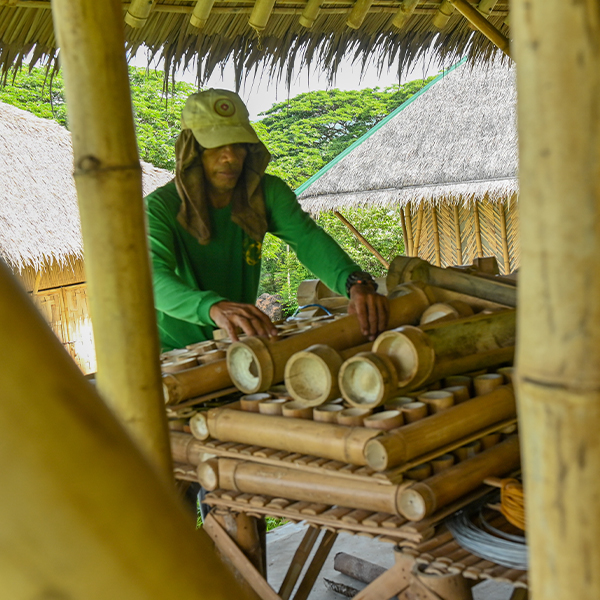
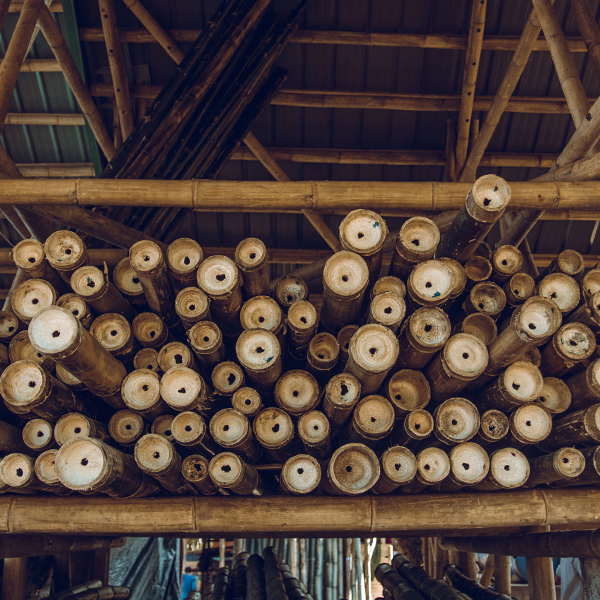
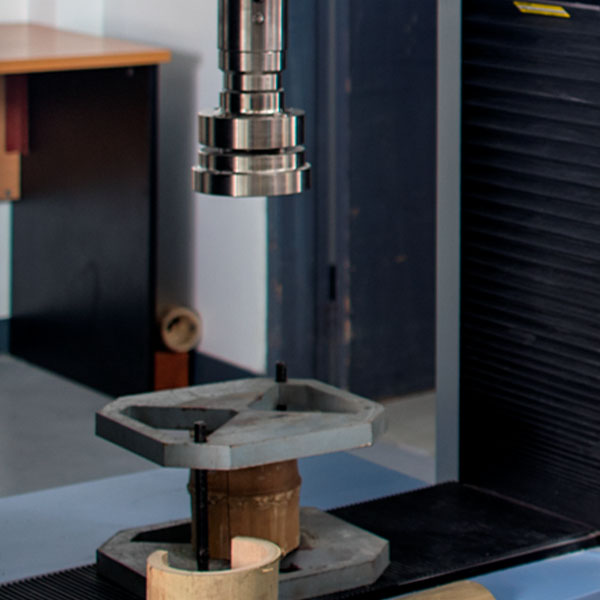
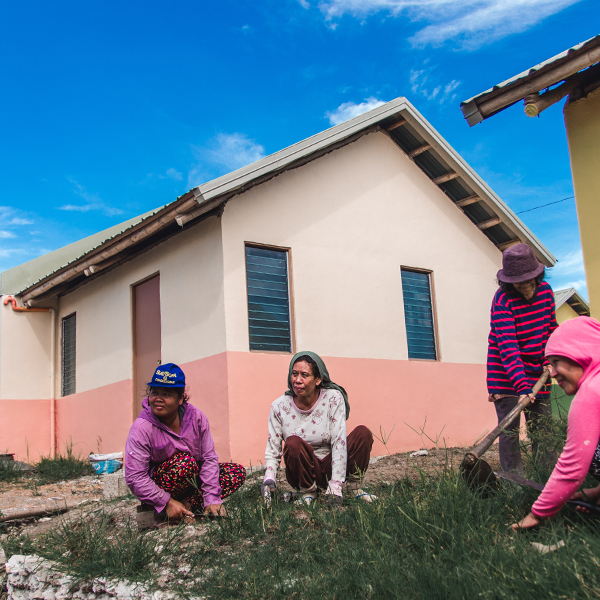
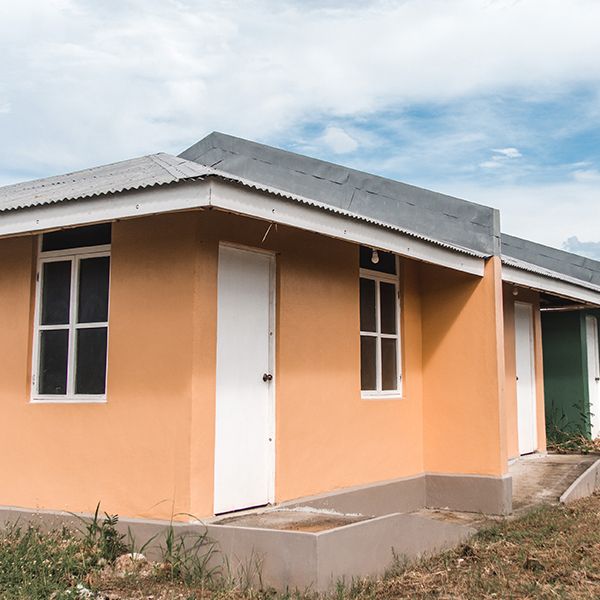
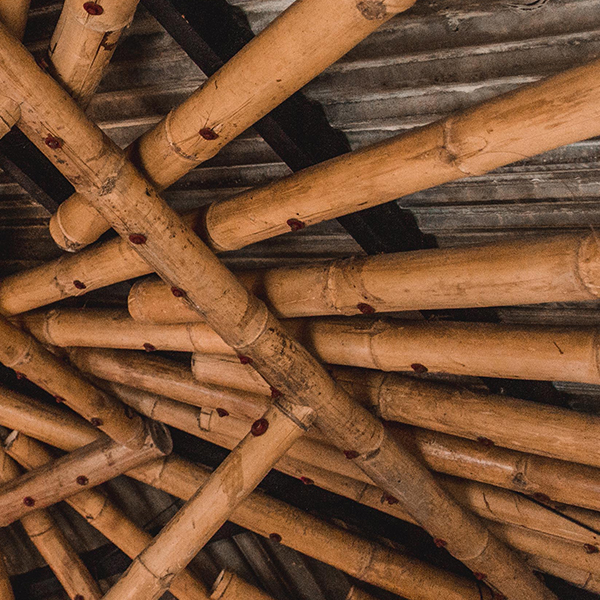
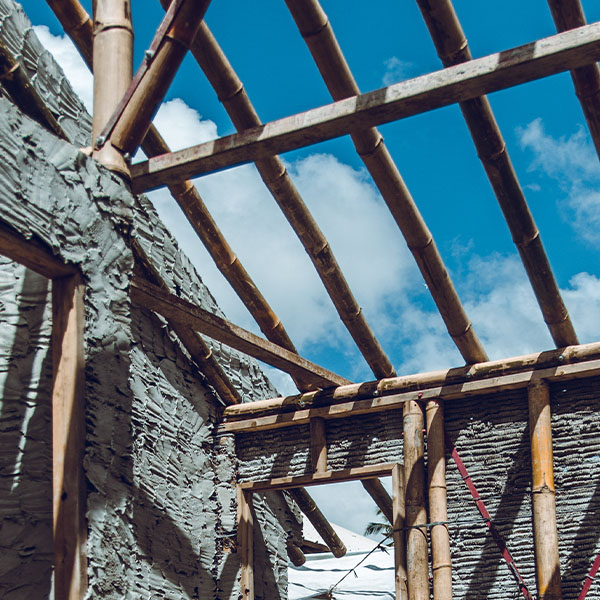
One of the pillars to achieve BASE’s vision is to take leadership in research and development in bamboo-based technologies and other alternative building and green materials.
BASE’s research and development topics range from optimization of the technologies, life-cycle assessments, property characterization of bamboo, codes, and approvals, and other related alternative building technologies. These are done through partnerships with local and international universities as well as other innovation and research centers.
Authors Ray Villanueva, Kawayan Collective Bamboo Treatment FacilityLuis Felipe López, Base Bahay Foundation Inc.David J A Trujillo, Coventry UniversityMarlon Tanilon, Foundation University, Dumaguete City, PhilippinesClint Absin, Foundation UniversityKate Tubog, Foundation University, Dumaguete CityOman Krish Tubat, Foundation University, Philippines, Dumaguete Abstract ISO 19624:2018 is the world’s first international bamboo grading standard. It contains few prescriptive clauses […]
Authors Brian Bautista, De La Salle UniversityLessandro Estelito O. Garciano, De La Salle UniversityLuis Felipe López Base Bahay Foundation Inc. Abstract The mechanical properties of a structural material such as flexure, shear, and compressive strengths are needed in the structural design process. Unfortunately, published studies of the shear strength of an important local species: Bambusa […]
Authors Brian Bautista, De La Salle UniversityLessandro Estelito O. Garciano, De La Salle UniversityLuis Felipe López, Base Bahay Foundation Inc. Abstract There are limited published studies related to the mechanical properties of bamboo species in the Philippines. In this study, the shear strength properties of some economically viable bamboo species in the Philippines were properly […]
Authors Anika De Jesus, De La Salle UniversityLessandro Estelito O. Garciano, De La Salle UniversityLuis Felipe López, Base Bahay Foundation Inc.Diane Megan Co Ong, De La Salle UniversityMa Chrissel Paula Roxas, De La Salle UniversityMikhaela Andrea Isidro Tan, De La Salle UniversityRichard De Jesus, De La Salle University Abstract The supply of timber is becoming […]
Authors Martin Aldrin De La Cruz, De La Salle UniversityLuis Felipe López, Base Bahay Foundation Inc.Richard De Jesus, De La Salle UniversityLessandro Estelito O. Garciano, De La Salle University Abstract To determine tension parallel to fiber properties of Bamboo, one can employ ISO 22157. However, several studies highlighted some challenges in using the method such […]
Authors Corinna SalzerHolger Wallbaum, Chalmers University of TechnologyLily Tambunan, Bandung Institute of Technology Abstract The use of round bamboo as load bearing member for low-rise housing is an interesting alternative construction method for tropical regions. Similar to timber engineering, predictable fire resistance is a requirement for its legal approval and application at scale. The research […]
Authors Eleni EleftheriouLuis Felipe López, Base Bahay Foundation Inc.Guillaume Habert, ETH ZurichEdwin Zea Escamilla, ETH Zurich Abstract The provision of sustainable housing solutions is one of the main challenges in emerging economy countries. Furthermore, it is clear that a sustainable solution should be based on renewable bio-based materials. Scientific and practical evidence clearly suggests that […]
Authors Gabrielle Luisa De Guia CantosLuis Felipe López, Base Bahay Foundation Inc.Richard De Jesus, De La Salle UniversityCorinna Salzer Abstract The common testing protocol to determine the shear strength of bamboo parallel to grain is ISO 22157. However, widely documented limitations of this test procedure calls for an alternative testing protocol. This study compared ISO […]
Authors C. SalzerHolger Wallbaum, Chalmers University of TechnologyMarina AliponLuis Felipe López, Base Bahay Foundation Inc. Abstract The use of cellulosic materials in the construction of low-rise housing in tropical climates has great potential. Bambusa blumeana (B. blumeana, J.A. and J.H. Schultes), the most abundantly available bamboo species in the Philippines, is a promising alternative material […]