Bamboo Goes Mainstream: BASE Highlights Sustainable Innovations at WORLDBEX 2026 

Base Bahay Foundation, Inc. (BASE), a pioneer in sustainable building technologies, successfully showcased bamboo’s transformation into a high-performing construction material at WORLDBEX 2026, the Philippines’ premier building and construction exposition held recently at the SMX Convention Center.   BASE’s participation at WORLDBEX marked a significant turning point, positioning bamboo beyond an alternative to a mainstream, resilient, and eco-friendly solution to modern building challenges.

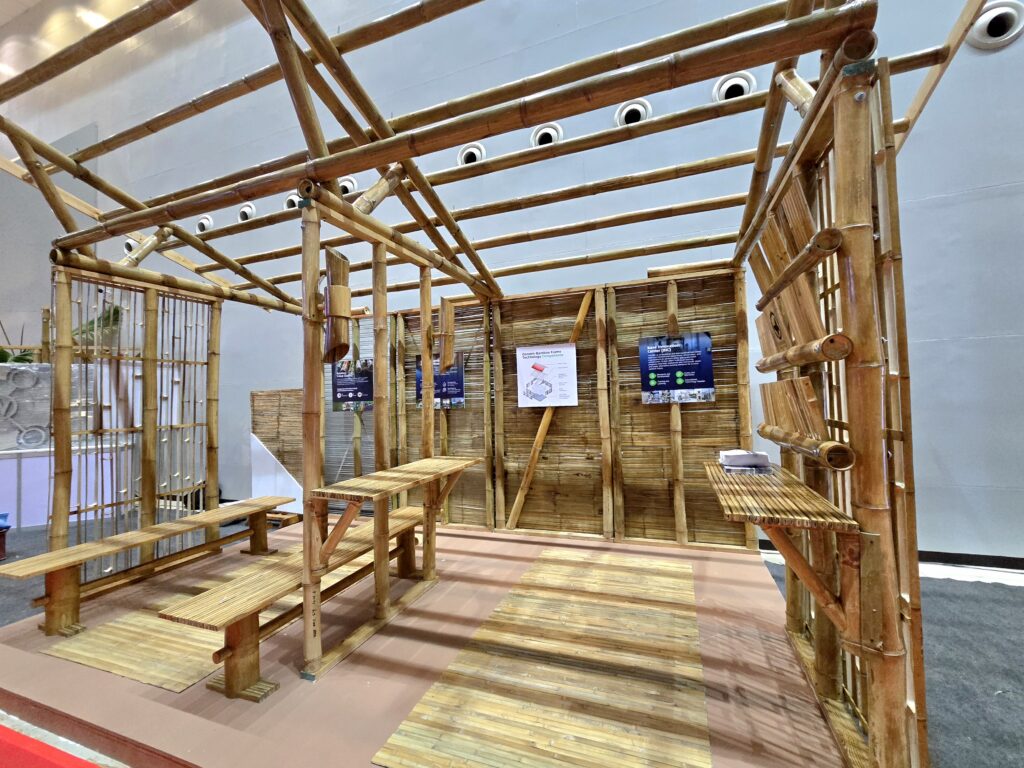
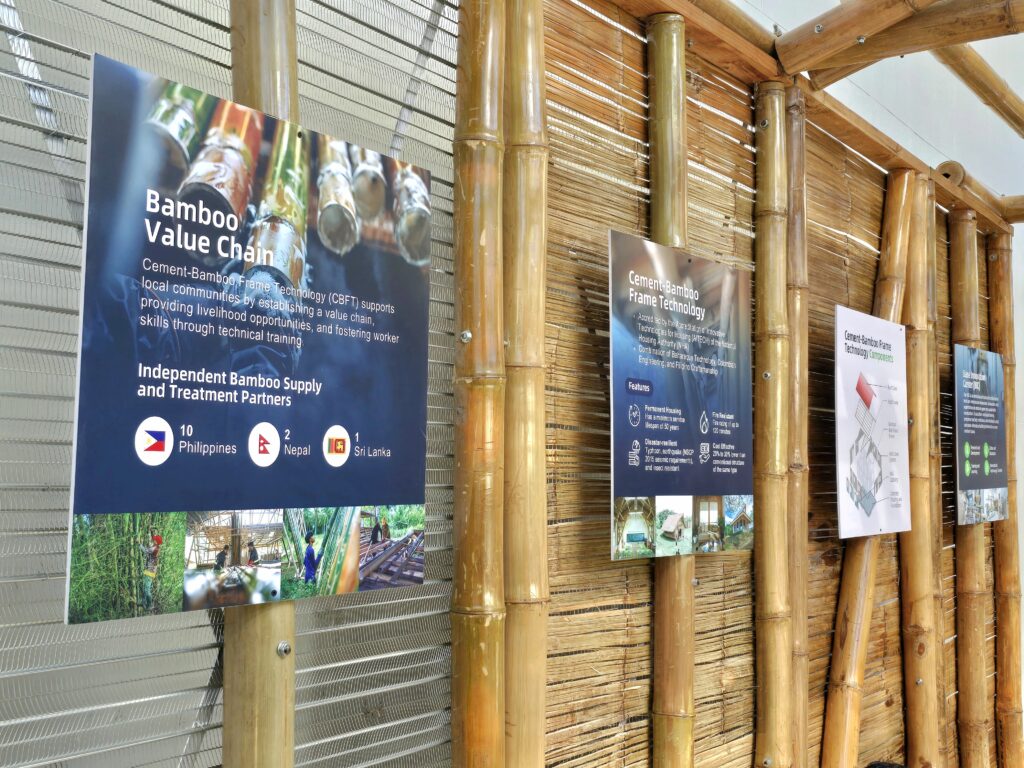
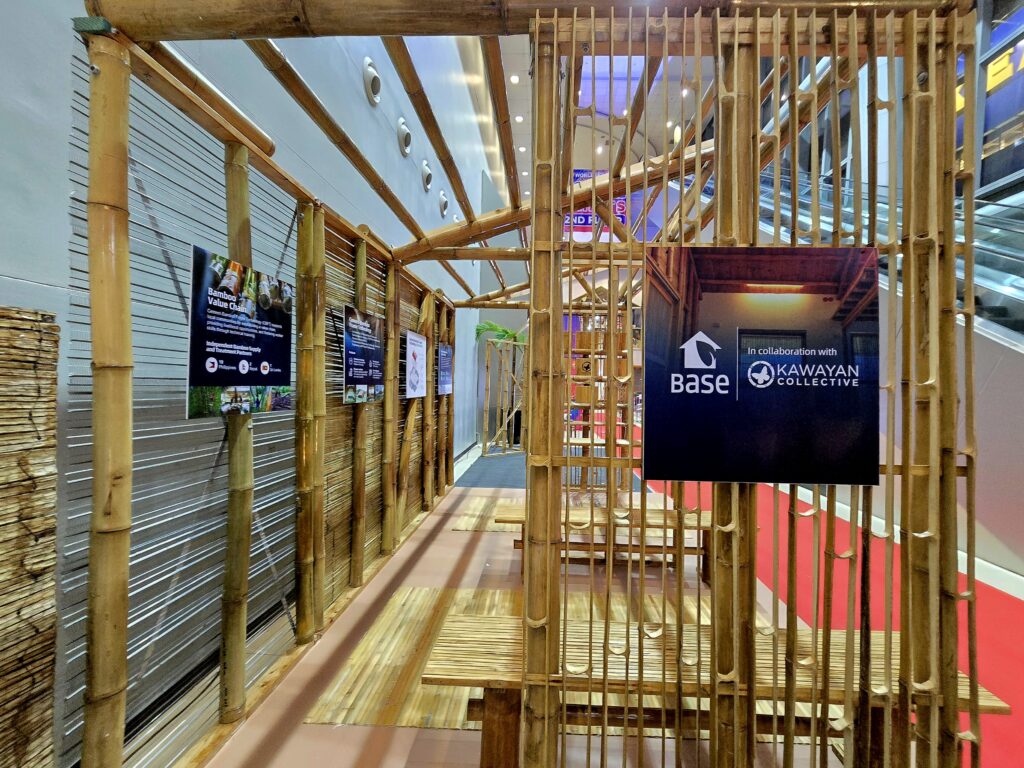
At the heart of BASE’s presence was the WORLDBEX Lab, a modern structure strategically placed at the SMX lobby, which was designed to introduce visitors to the innovation and sustainability of advanced bamboo construction, offering a future-ready building solution.

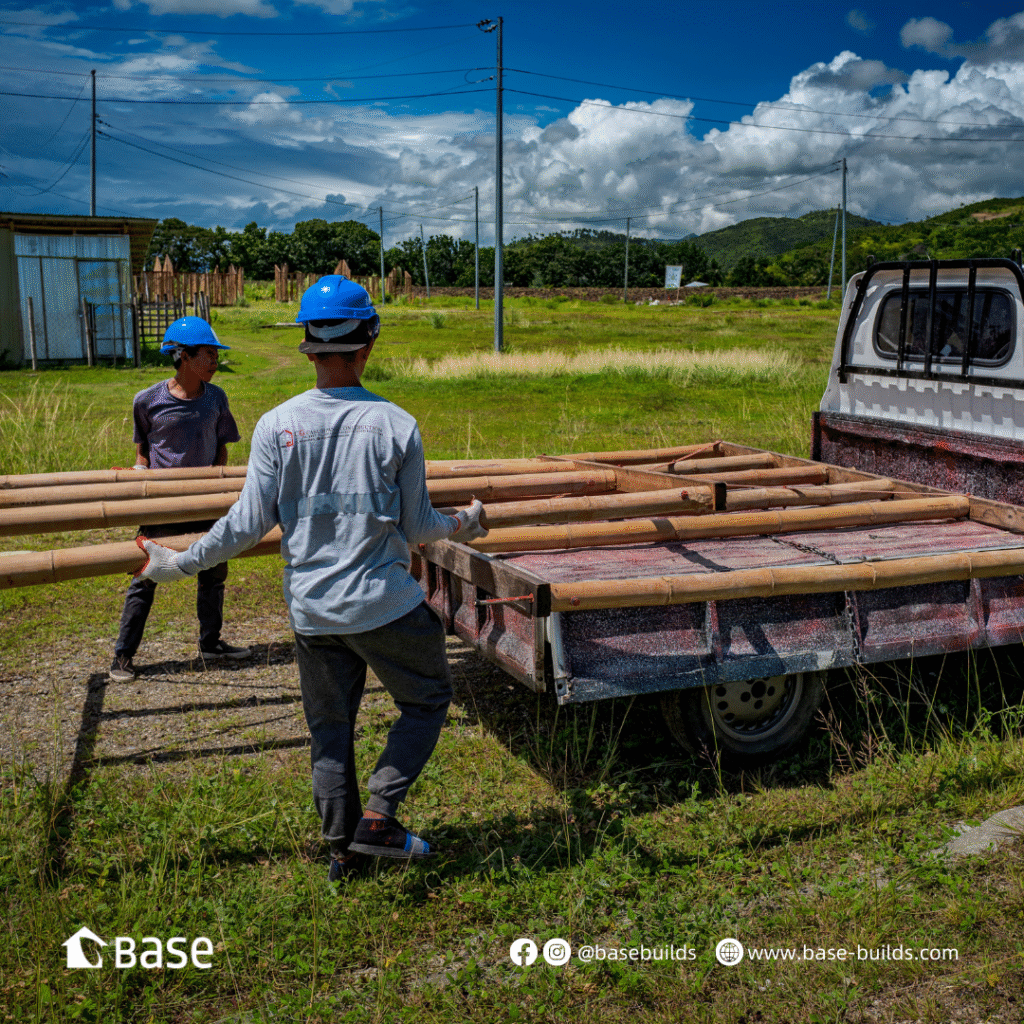
The Lab is produced by BASE in partnership with Kawayan Collective, an agriculture cooperative and one of its supply and treatment partners, specializing in treated, construction-grade bamboo design and supply. It is constructed entirely from BASE’s proprietary Cement-Bamboo Frame Technology (CBFT) wall panels. The high-impact experiential installation showcased research, technology, and real-world application of modern bamboo within a built environment.  Thousands of visitors interacted with The Lab and the second-floor booth, showcasing a rising confidence in bamboo’s capabilities.  

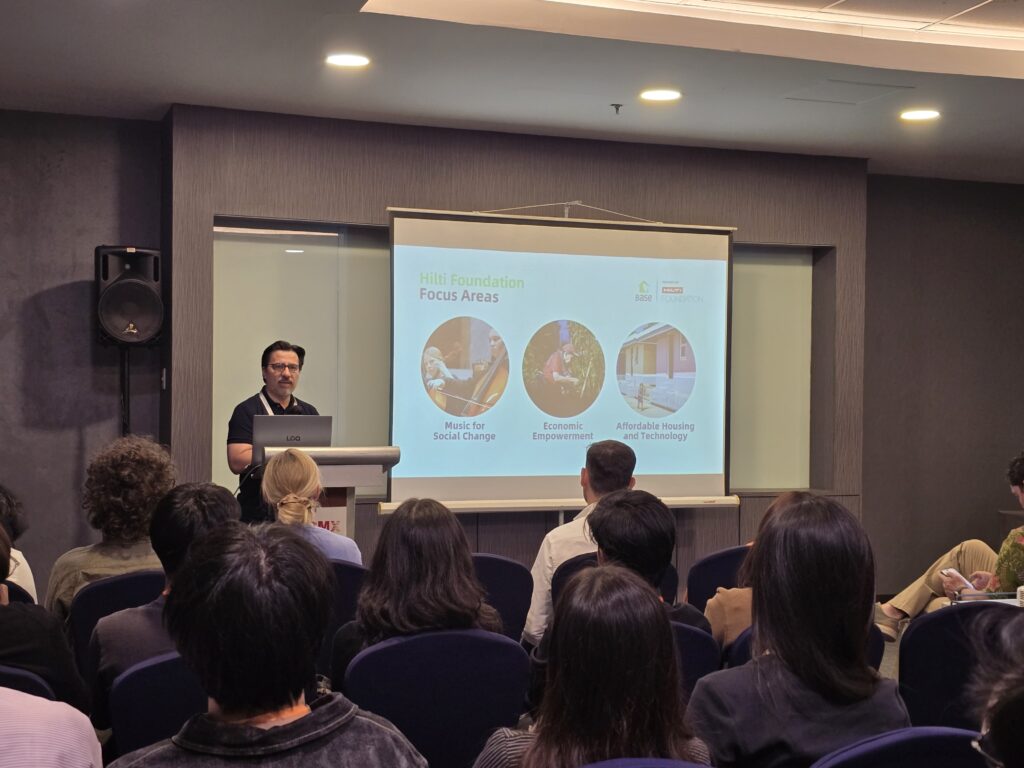
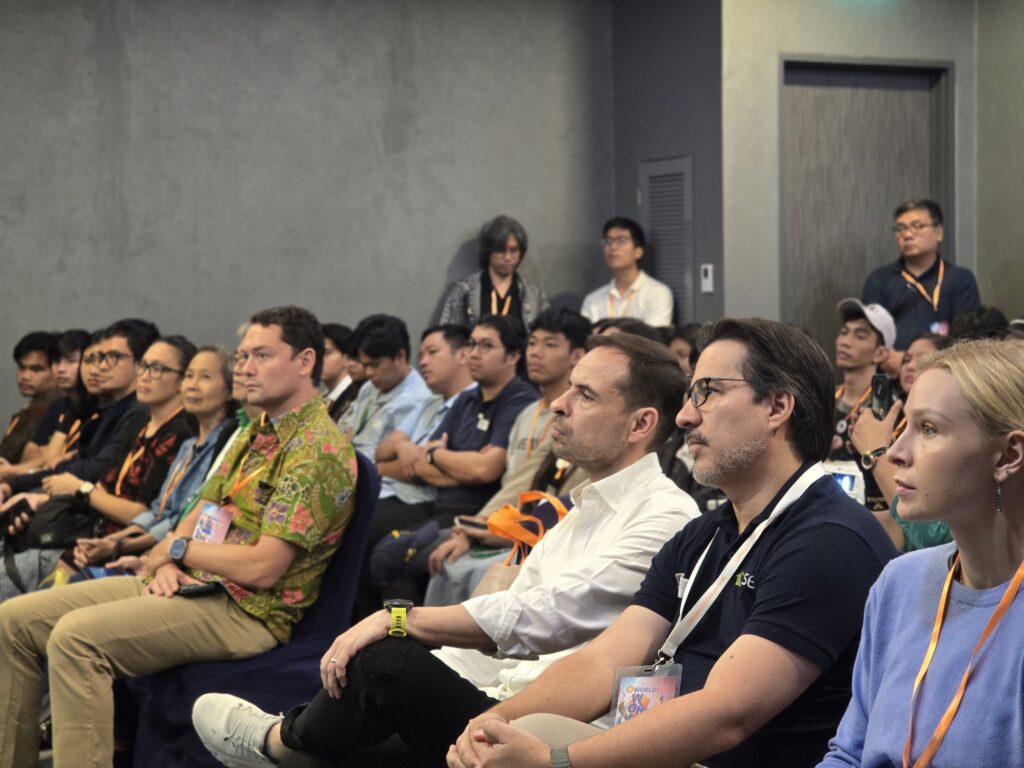
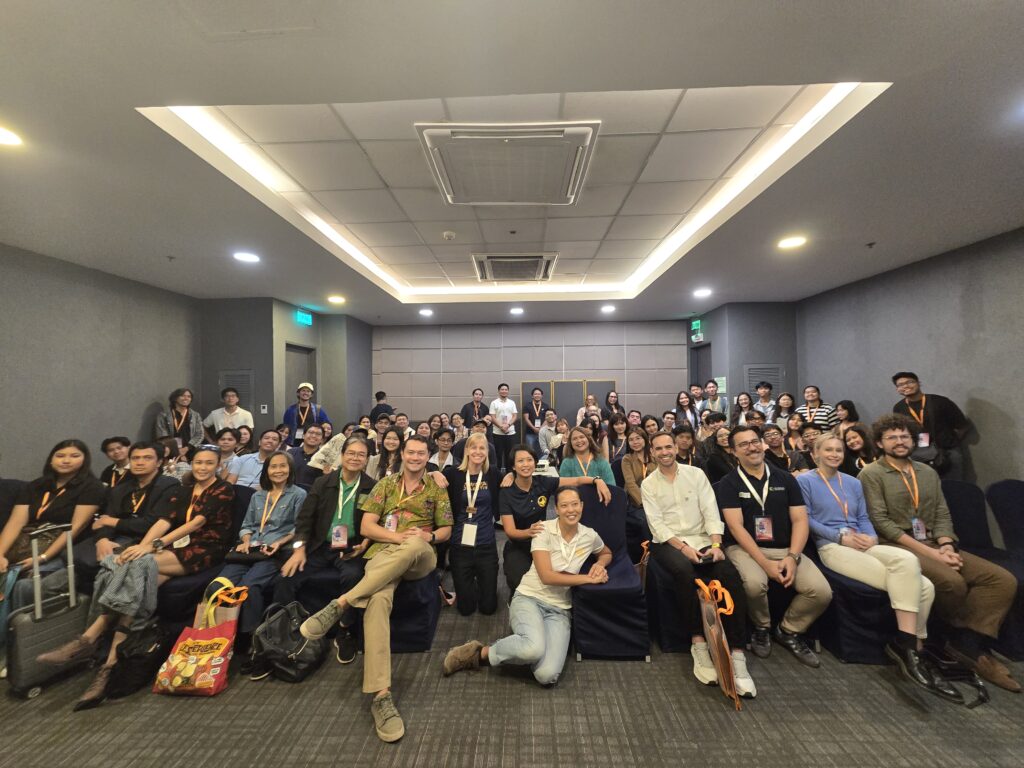
BASE also hosted a WORLDBEX Summit session that drew a full house of participants, including engineers, architects, students, and sustainability advocates, reflecting a growing interest in regenerative building solutions for contemporary challenges.

“Our participation at WORLDBEX 2026 was more than just an exhibition; it was a declaration that bamboo is ready for the mainstream,” said Engr. Luis Felipe Lopez, BASE General Manager.  “The overwhelming interest and engagement show that the industry is beginning to recognize bamboo as a serious, scalable, and future-ready solution. We are not just promoting a material; we are advocating for a more resilient, eco-friendly, and economically empowering approach to construction.”

Amy Villanueva, Co-Founder of Kawayan Collective, added: This collaboration highlights our shared commitment to sustainable, bamboo-based solutions and marks an exciting step in bringing innovative, climate-resilient construction to a mainstream audience.

With a staggering 188,689 visitors at WORLDBEX 2026, BASE transitioned bamboo construction from niche conversations into mainstream industry attention and dialogue.  The success at WORLDBEX reinforces BASE’s leadership, building on its global track record of over 2,300 CBFT structures, sheltering more than 12,000 individuals, and achieving over 40,000 tCO2 savings.

“For the past 29 years, WORLDBEX has brought together industry leaders, innovators, and professionals from across the globe, creating meaningful connections and showcasing the groundbreaking innovations that continue to shape our industry,” confirmed Mr. Joseph L. Ang, Founding Chairman of Worldbex Services International.

Echoing this sentiment, Leo Z. Salonga, Marketing and Communications Manager for Worldbex Services International, added, “One of the most meaningful highlights of WORLDBEX 2026 was our collaboration with Base Bahay Foundation. Their display at the WORLDBEX Lab was more than an exhibit—it was a testament to building opportunities and sustaining lives through purposeful innovation.”

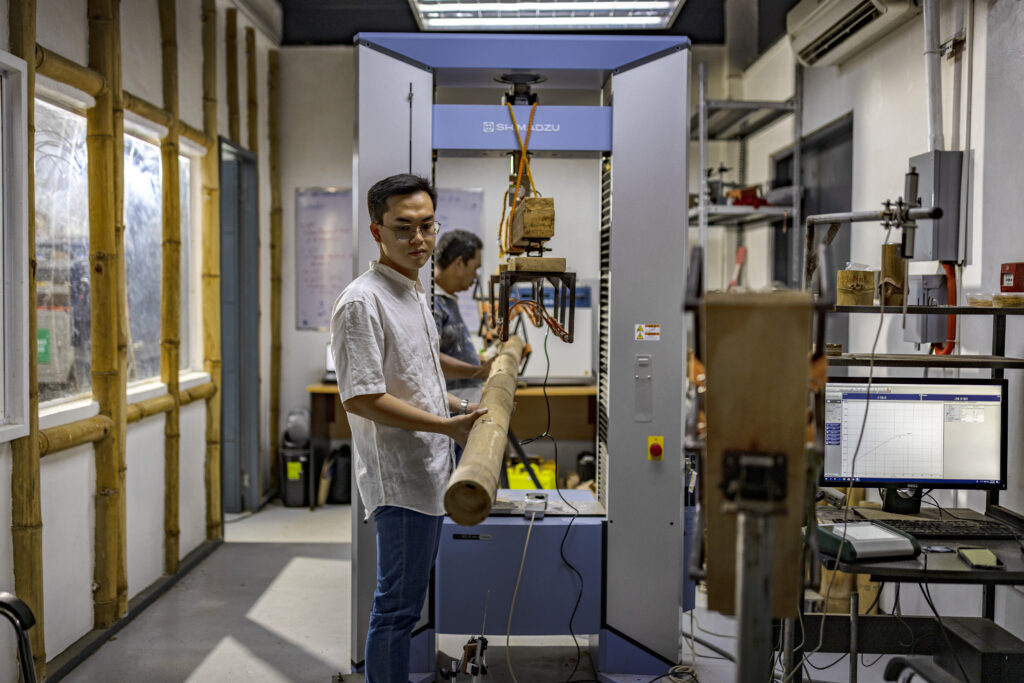
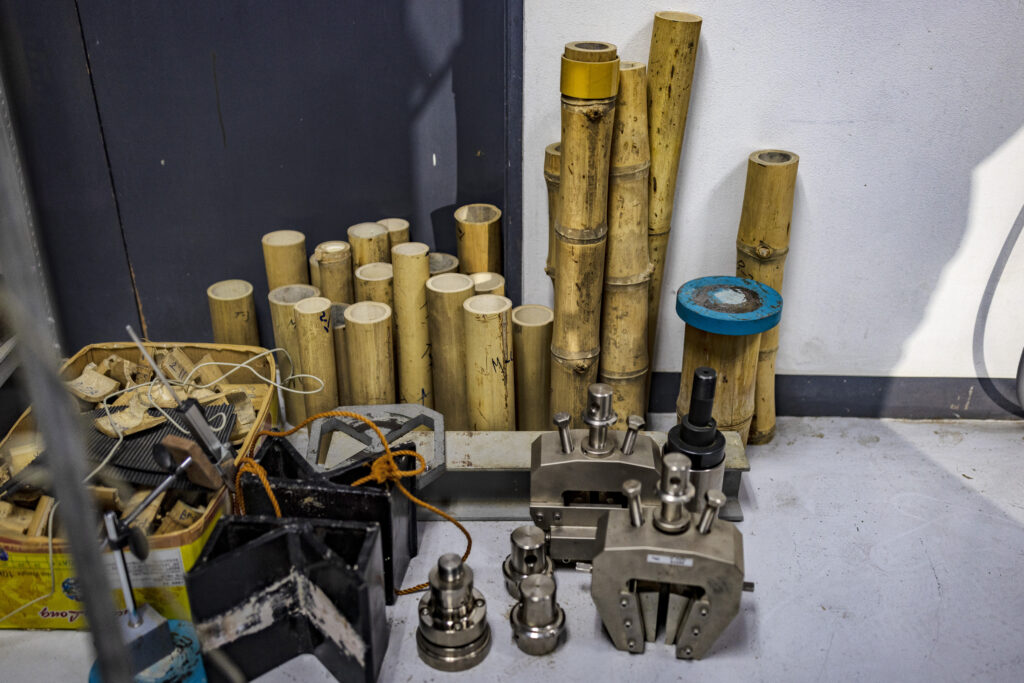
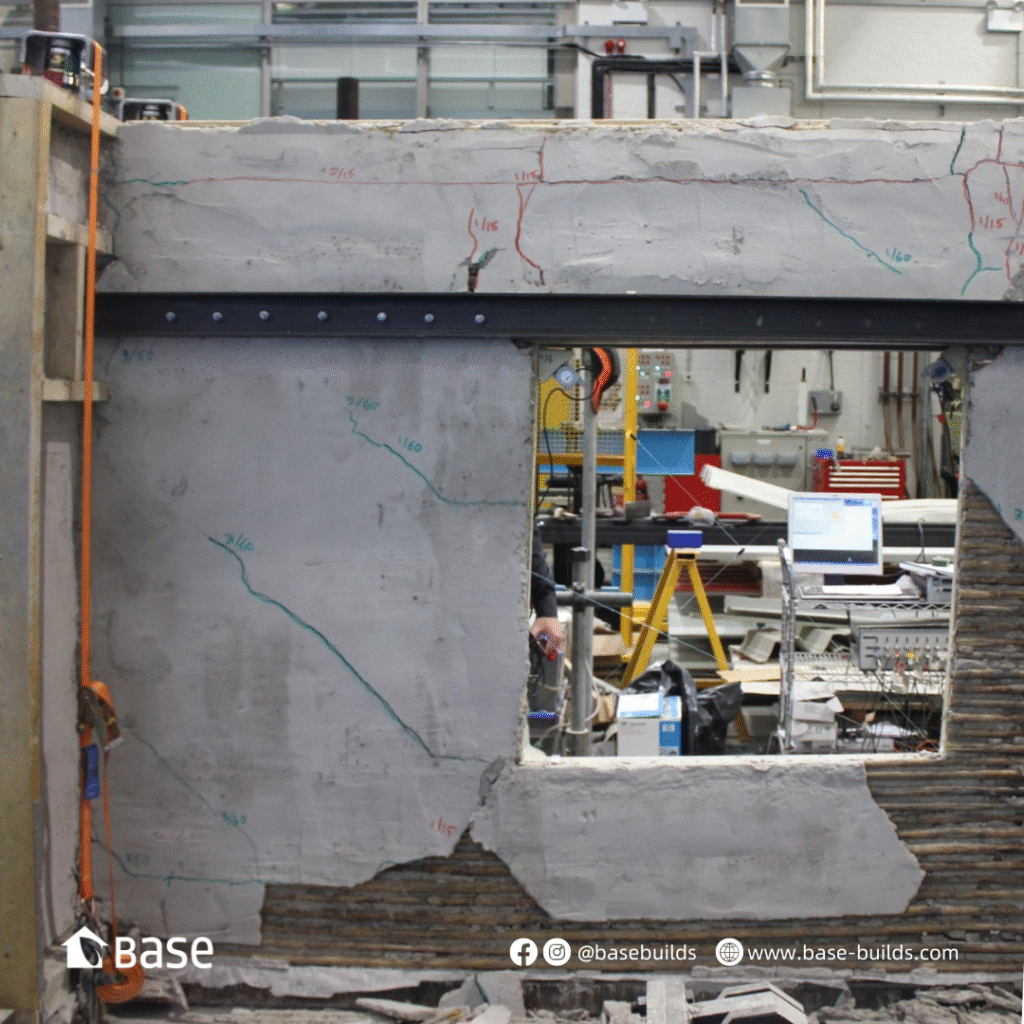
At the BASE Innovation Center in Makati City, the building components and systems are rigorously tested for resistance against typhoons, earthquakes, fire, and insect infestations, offering exceptional durability and safety. CBFT extends beyond residential uses, proving its versatility for non-residential structures like schools, community centers, offices, industrial facilities, and commercial buildings.  Beyond resilience, bamboo-integrated construction significantly contributes to climate action; lifecycle assessments show it can reduce embodied CO2 emissions by up to 70% compared to conventional concrete systems. Finding sustainable solutions is increasingly urgent, with the construction industry responsible for 39% of global CO₂ emissions and 10–11% from embodied carbon. Bamboo offers a faster, more cost-efficient alternative that requires no heavy equipment and can be used for both structural and non-structural applications. Maturing in just 3–5 years and producing significantly more biomass than conventional timber, it is also engineered to withstand disasters due to its high strength-to-weight ratio. In addition, bamboo enhances thermal comfort by naturally regulating indoor temperatures, making it a practical, low-carbon solution for resilient construction. For more information on Base Bahay Foundation, Inc. and its transformative projects, visit www.base-builds.com.

Mindanao Unveils First CBFT School: A Scalable Model for Resilient Education

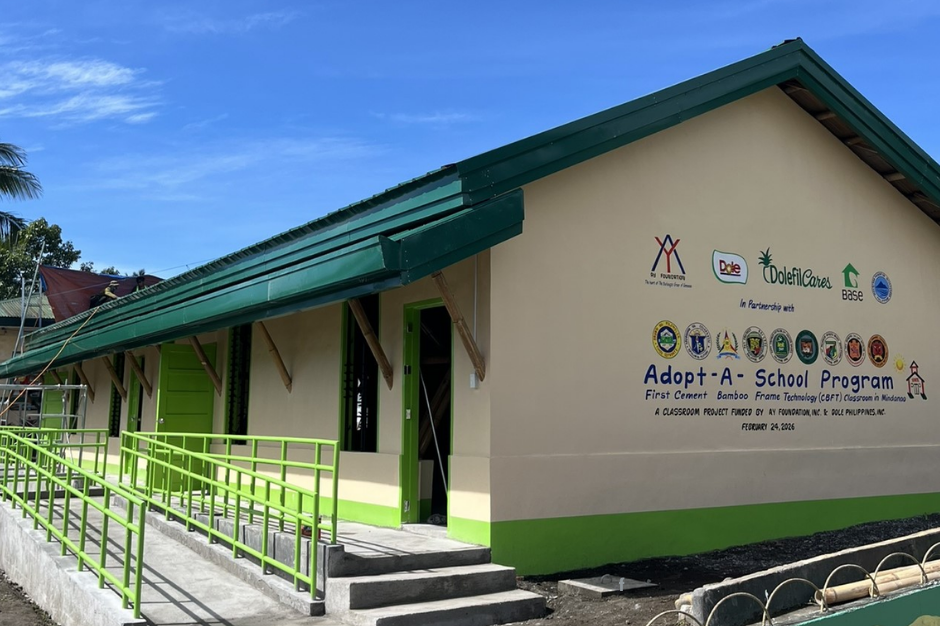
Mindanao proudly inaugurated its first sustainably-constructed school today at Landan Elementary School in Polomolok, South Cotabato.  This pioneering project, in partnership with Dole Philippines, AY Foundation, Mahintana Foundation, Armed Forces of the Philippines, and the local government of Polomolok, marks a significant stride in building resilient and environmentally conscious education infrastructure.

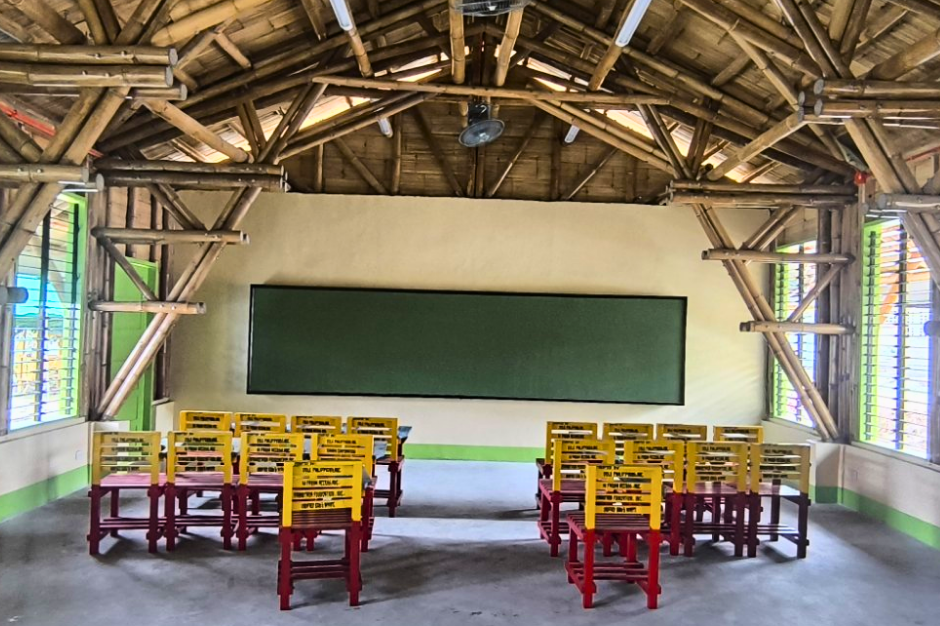
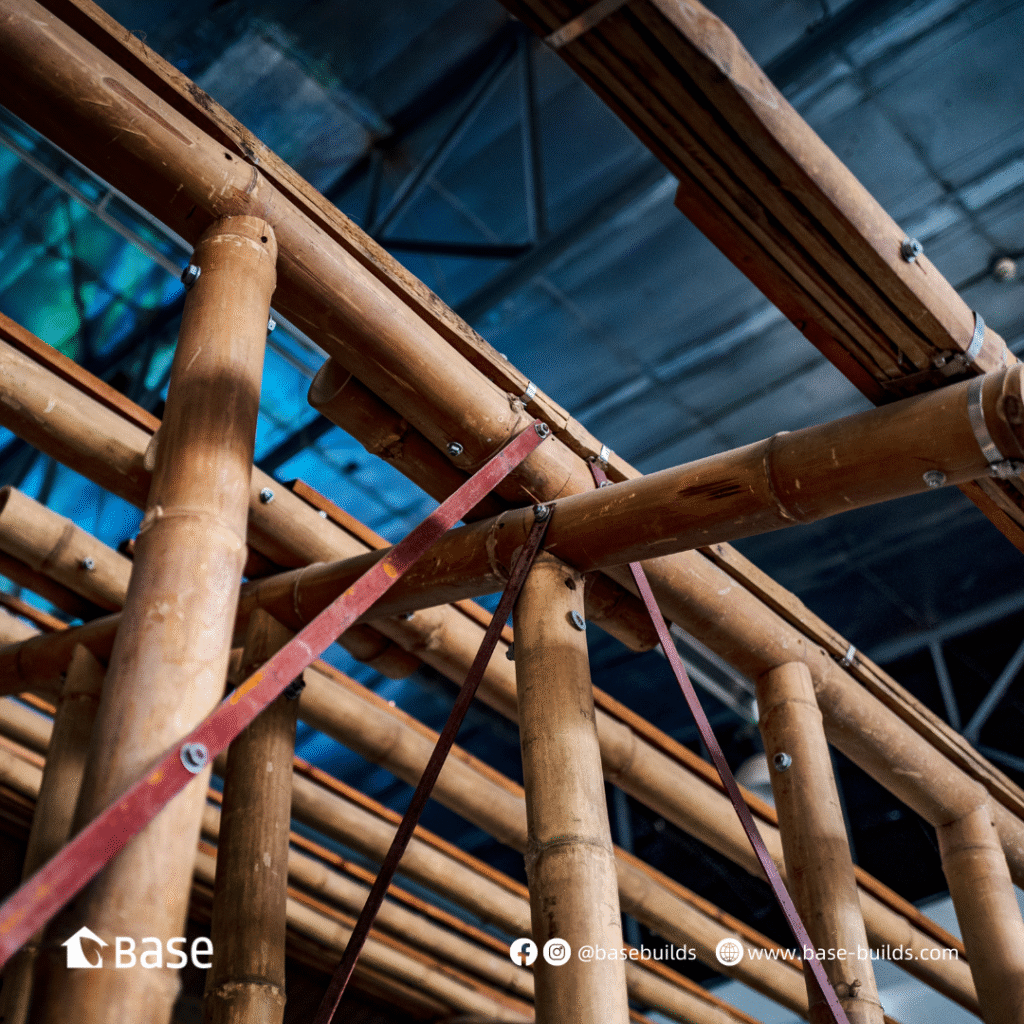
The 175-sqm, two-classroom school building was constructed using BASE’s proprietary Cement-Bamboo Frame Technology (CBFT) combined with a bamboo truss system.  This innovative design offers safer, more sustainable, and disaster-resilient learning spaces. Designed to meet the Department of Education’s (DepEd’s) standards, each classroom also doubles as an evacuation center during typhoons, reflecting a proactive approach to community safety.

The initiative is a core component of the Adopt-A-School Program (AASP), a classroom development program funded by Dole Philippines and A.Y. Foundation, Inc.  The AASP aims to uplift grassroots tri-people communities in the upland areas of Sarangani and South Cotabato Province by improving academic performance through enhanced access to quality education.

“This project demonstrates what can happen when we combine innovation, partnership, and a shared sense of purpose,” said Dole Philippines Senior EVP and FPG President, Masazumi Nishikage.

Added April Evangelista of RCBC, representing A.Y. Foundation, added: “This classroom is more than a structure.  It is a symbol of hope, sustainability, and shared commitment to education.  Built with care and purpose, this represents a future where learning spaces are strong, inclusive, and rooted in community collaboration.” 

The school building was built by the Philippine Army’s 549th Engineer “Kapayapaan” Battalion, 6th Infantry Division, showcasing a powerful multi-sectoral collaboration in fostering climate-smart schools that empower communities. The partnership was formalized with a Memorandum of Agreement signed on October 1, 2025, during the groundbreaking ceremony.

“The inauguration of Mindanao’s first CBFT school is a testament to what we can achieve when innovation meets dedication to community and environment,” said Engr. Luis Felipe Lopez, BASE General Manager. “We are not just building classrooms; we are building a more sustainable future. This technology offers a scalable solution to the nation’s classroom backlog, providing resilient, eco-friendly structures that also boost local economy. We invite more government agencies and organizations to join us in making this vision a global reality.”

CBFT structures undergo rigorous testing against typhoons, earthquakes, fire, and insect infestations, ensuring exceptional durability. Beyond resilience, CBFT school buildings demonstrate that sustainability and robust construction can coexist. Lifecycle assessments show that bamboo-integrated construction can reduce embodied CO2 emissions by up to 70% compared to conventional concrete systems, significantly contributing to climate action.

“Improving access to quality education for our upland IP communities is central to the Adopt-A-School Project,” stated Liza Duropan-Lopez, Executive Director of Mahintana Foundation, Inc. “This CBFT school provides a safe learning environment and serves as a beacon of hope and resilience for our tri-people communities, reflecting our commitment to inclusive development.”

The Philippines faces a staggering nationwide classroom backlog of approximately 165,000 classrooms, a challenge that could take decades to address at current construction rates. Experts suggest building at least 7,000 classrooms annually for the next 15 years to substantially bridge this gap. CBFT offers a viable, innovative solution to this urgent need.

DepEd Education Program Supervisor, Michael Poblador expressed gratitude, stating, “We are incredibly grateful for the collaborative spirit that brought this pioneering Cement-Bamboo Frame Technology school to fruition in Mindanao. This initiative directly addresses our urgent need for more classrooms while providing safe, sustainable, and climate-resilient learning spaces for our students. We commend BASE Bahay Foundation and its partners for showcasing an innovative solution that holds immense potential for scaling across the Philippines, helping us build a more robust and future-proof education infrastructure.”

The versatility of CBFT extends beyond school buildings. This technology, accredited by the Accreditation of Innovative Technologies for Housing (AITECH) by the National Housing Authority, is also suitable for non-residential structures like community centers, offices, industrial facilities, and commercial buildings. This demonstrates bamboo’s significant potential as a flexible and sustainable construction material for diverse infrastructure needs.

BASE, through its implementing partners, has already completed four (4) school buildings with two (2) more under construction, and another 2 upcoming projects across the Philippines, reinforcing its leadership in bamboo construction. Globally, BASE has built over 2,300 CBFT structures, sheltering more than 10,500 individuals and achieving over 40,000 tCO2 savings. Furthermore, CBFT supports local farmers by establishing a value chain, creating livelihood opportunities, and upskilling workers through technical training, fostering a more sustainable future for all.

BASE and Arup Partner for Innovation

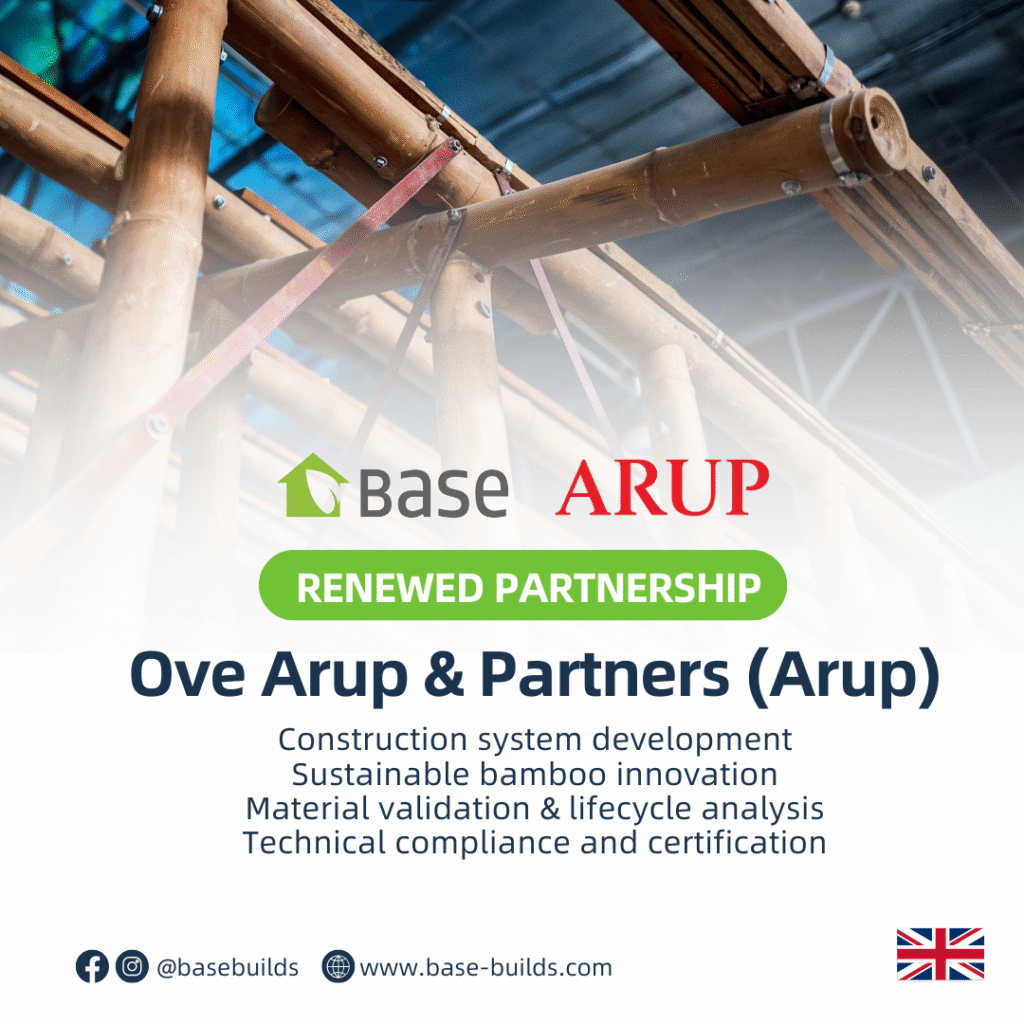
Base Bahay Foundation, Inc. (BASE) and Arup have launched a new collaboration aimed at advancing affordable, sustainable, and disaster-resilient housing solutions in the Philippines and beyond.

The partnership builds on a shared commitment to addressing the urgent housing challenges faced by vulnerable communities, particularly those exposed to climate-related disasters. By combining BASE’s expertise in bamboo-based construction systems with Arup’s global engineering knowledge, the collaboration seeks to strengthen technical innovation and promote scalable, resilient housing models.

A Shared Vision for Resilient Communities

BASE, a non-governmental organization established by the Hilti Foundation, has pioneered the development of bamboo construction technology in the Philippines. Its construction system uses bamboo for structural framing and has been demonstrated to be both environmentally sustainable and disaster-resilient.

Engr. Luis Felipe Lopez, BASE General Manager, highlighted: “This collaboration with Arup marks a significant milestone in Base Bahay’s commitment to advancing bamboo structures as a powerful solution for resilience and sustainability. By uniting our expertise in bamboo-based construction with Arup’s world-class engineering support, we are strengthening the foundations of innovative building systems that can protect communities, withstand disasters, and create a more sustainable future for the Philippines and beyond.”

Arup, an international engineering and design consultancy, has also worked extensively on similar construction systems across Latin America. Both organizations share a history of collaboration through the development of technical guidelines and codes that support safe and effective bamboo housing solutions.

Sebastian Kaminski, Associate from Arup, stated: “With construction contributing towards 40% of global carbon emissions and over 1.6 billion people worldwide living in inadequate homes, we need to develop appropriate, durable, and resilient housing that is also low carbon. Bio-based materials such as bamboo can play an important role in this materials’ transition. We believe that BASE’s work is key to scaling the use of disaster-resilient bamboo housing worldwide. We have always been impressed with how Base works closely with local communities, the number of houses that Base has built, and the very positive influence that BASE has had at a regulatory level.”

This renewed partnership reflects mutual trust and a collective ambition: to accelerate the adoption of sustainable building technologies not only in the Philippines but also in other countries where resilient housing is urgently needed.

Supporting Innovation Through the Material Accelerator Programme

The collaboration is being undertaken as part of Arup’s Material Accelerator Programme (MAP). Through this initiative, Arup provides pro-bono technical support to organizations selected through The Earthshot Prize network, helping innovators scale impactful climate and sustainability solutions.

Under this partnership, Arup will support BASE in further improving its construction system, exploring new innovations, and documenting advancements that can inform wider implementation in countries such as India, Fiji, Nepal, and other developing contexts.

“Arup will leverage its materials, seismic engineering and international development domain experience to continue to support the improvement of the current composite bamboo shear technology in terms of affordability, resilience, durability and embodied carbon. We also plan to work with Base to help standardise and scape this technology worldwide, by engaging with governments, NGOs, UN agencies and regulatory committees,” Kaminski stated.

Building Toward a Sustainable Future

This collaboration represents a significant step forward in the effort to make housing not only affordable but also sustainable, safe, and resilient in the face of increasing climate risks.

By strengthening the technical foundations of bamboo-based construction and supporting innovation through global expertise, Base Bahay and Arup are contributing to a future where more communities can access dignified homes built with local, renewable materials.

“Bringing a new construction technology to the mainstream is challenging, and there are many hurdles. We believe that working closely in partnership with BASE can allow us both to draw on each of our strengths and tackle multiple barriers simultaneously,” Kaminski added.

Together, the partnership demonstrates how engineering, social impact, and sustainability can intersect to create solutions that are scalable, climate-responsive, and transformative.

BASE and HKU District Development Unit (DDU) Partner to Drive Innovation in Sustainable Housing

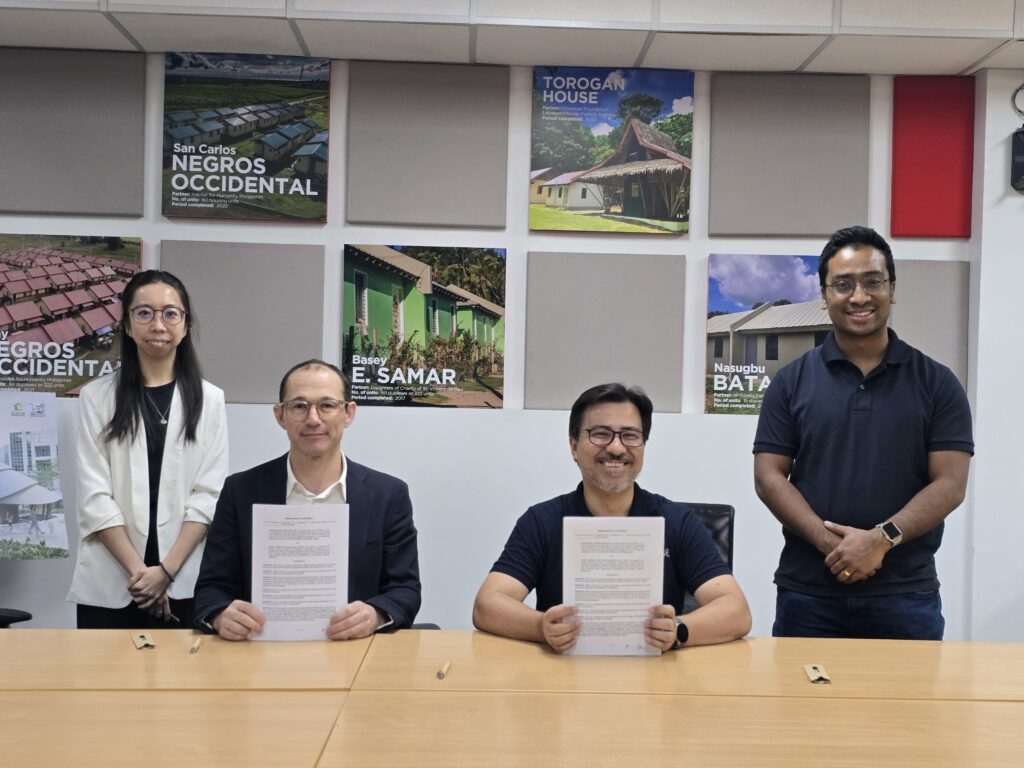
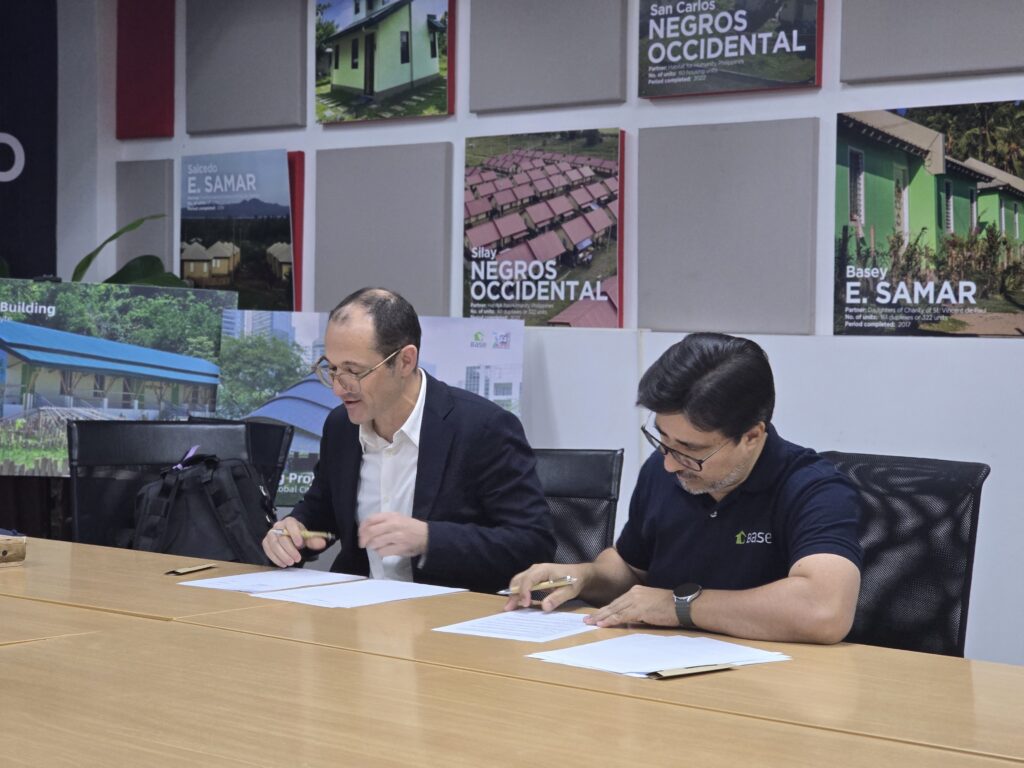
BASE Bahay Foundation, Inc. (BASE) is proud to announce a new partnership with the District Development Unit (DDU) of the University of Hong Kong, formalized through a Memorandum of Agreement.

This collaboration represents a major step toward advancing innovation in affordable and climate-resilient housing for low-income communities in the Philippines.

Innovating the Future of Incremental Housing

The partnership will support BASE’s Incremental Build Project, an initiative that explores how housing can be developed progressively, allowing families to expand and improve their homes over time while ensuring safety, durability, and sustainability from the start.

At its core, the project is an innovative platform for testing new approaches in:

  • Incremental housing design systems
  • Alternative and sustainable construction material
  • Low-cost technologies for resilient communities
  • Research-driven housing solutions that respond to climate risks
  • Advancing Building Technologies and Materials

By combining BASE’s expertise in bamboo construction with DDU’s strength in architectural research and urban innovation, the partnership will accelerate the development of next-generation housing models.

Through this work, BASE and DDU aim to push forward solutions that are not only affordable but also technologically forward-looking and environmentally responsible.

Research Meets Community Impact

This partnership reflects a shared commitment to ensuring that innovation in architecture and construction translates into real-world impact, empowering communities with housing options that are safer, greener, and more resilient.

Together, BASE and DDU envision a future where every family has the opportunity to build a better home and a better life through innovative, step-by-step housing solutions.

Design the Future of Sustainable Housing and See It Built in Bali

What if a home could be affordable, resilient, beautiful, and made entirely from one of the world’s most sustainable materials?

This year, BASE and Bamboo U invite architects, designers, engineers, students, and creative thinkers globally to take on an exciting challenge: reimagine what affordable housing can look like through bamboo innovation.

Welcome to the Bamboo Housing Challenge.

A Global Call for Sustainable Design

The Bamboo Home Challenge is an international design contest seeking bold ideas for a bamboo-based home prototype that can be built for USD 10,000.

This is more than a competition. It is an opportunity to create real solutions for communities in need of affordable, climate-responsive housing.

Organized by BASE and Bamboo U, with support from the Hilti Foundation, the contest encourages designs that are:

  • Affordable and realistic
  • Durable and adaptable
  • Environmentally responsible
  • Rooted in human-centered living
  • Visually inspiring

From Concept to Full-Scale Construction

The winning proposal won’t remain on paper.

The selected design will be built at full scale in Bali, Indonesia, during Bamboo U’s immersive 11-Day Bamboo Build & Design Course in October 2026.

The winner receives:

  • Flights and accommodation for one representative
  • Free participation in the 11-day course (valued at USD 2,775)
  • Opportunity for up to two additional team members to join the course at no extra cost
  • Global recognition through a printed and digital publication featuring top entries

If you have an idea that can reshape sustainable housing, this challenge is for you.

Key Dates to Remember

  • Final Date to Register: March 15, 2026
  • Submission Deadline: April 17, 2026
  • Winner Announcement: May 15, 2026
  • Construction in Bali: October 23 – November 3, 2026

Be Part of the Movement

The Bamboo Housing Challenge is more than a design competition. It is a platform for innovation, sustainability, and meaningful impact.

Your idea could become the next bamboo home prototype, inspiring communities globally.

Bamboo Drives the International Low-Carbon Construction Sector

New design guide is a significant milestone in realising the benefits of bamboo to widen its adoption.

Comprehensive guidance about the design of permanent bamboo structures has been published by the Institution of Structural Engineers (IStructE).

The detailed design manual draws on the expertise of four international authors from academia and industry. They are all members of the INBAR Bamboo Construction Task Force (BCTF), one of the leading international bodies on the structural uses of bamboo:

  • Dr David Trujillo CEng, Assistant Professor in Humanitarian Engineering, School of Engineering at the University of Warwick;
  • Kent Harries PEng, Professor of Structural Engineering and Mechanics, University of Pittsburgh;
  • Sebastian Kaminski CEng, an IStructE Fellow and a structural engineer from consulting firm Arup;
  • and Engr. Luis Felipe Lopez CEng, General Manager of the Base Bahay Foundation Inc. (BASE), which is a guide sponsor with the International Bamboo and Rattan Organization (INBAR).

Manual for the design of bamboo structures to ISO 22156:2021 aims to help structural engineers and other architecture, engineering, and construction (AEC) professionals understand how this prolific bio-based material can be used safely, with the ISO standard and the manual limited to two-storeys because of fire concerns.

Lead author Dr David Trujillio says: “This manual marks a significant milestone for the safe use of bamboo for permanent structures. Most structural design codes are developed in higher-income countries to address their own needs. Only later are they adopted or adapted by lower and middle-income countries – but the starting point is never the needs of those regions.

Professor Kent Harries adds: “There are some 1,600 known species of bamboo. Structurally, it has remarkable mechanical properties. It has also become a very promising bio-based resource, with growing credentials as a sustainable construction material. Nonetheless, this is hugely dependent on designing and building safe and durable structures. Our detailed manual helps to achieve this.”

Sebastian Kaminski explains: “Bamboo has great potential to contribute to a low-carbon construction sector. Bamboo engineering is a very young field compared to mainstream materials and its unique possibilities are increasingly recognised and supported by growing research and innovation. Our manual is structured to support the design engineer along the journey, from sourcing bamboo to detailed design.”

Luis Felipe Lopez highlights: “The construction industry contributes nearly 40% of carbon emissions globally, and bamboo, a regenerative and durable material, is redefining how we build our structures. From being an alternative to a reliable building material, bamboo is now gaining global recognition, and the need for a comprehensive framework is essential to support design engineers and ensure the safe and proper use of bamboo in the built environment, maximising its full potential and environmental advantages.

Kewei Liu, Coordinator of the INBAR Global Bamboo Construction Programme, mentions: “The publication of this guide is of great significance in promoting the application of the current ISO 22156:2021 standard, which has been the most widely accepted international bamboo standard since the 2000s. The authors have made a remarkable contribution to the global use of bamboo construction.”

Bamboo is native to all continents apart from Antarctica and Europe, although numerous species successfully thrive across Europe. Its lifecycle makes it an attractive resource in the context of tackling the global climate emergency, as like trees it fixes carbon in its leaves, stem, roots and surrounding soil. Bamboo’s harvest does not disturb the stored carbon in the soil.

Alongside the four leading authors, the manual was also reviewed by eleven expert reviewers. It has ten chapters covering a wide range of topics including the bamboo supply chain; bamboo project management; grading and mechanical characteristics of bamboo; analysis of bamboo structures; seismic and wind hazard design using bamboo; element and connection design; durability; bamboo structural shear walls; and worked examples of bamboo’s structural use in real-life examples.

Dr David Trujillo concludes: “The guide is published in the wake of the tragic Hong Kong tower block fires. We share condolences for all those impacted, and await the outcome of investigations as we cannot comment on individual cases. However general risk management principles advocate a risk assessment and consideration of use of flame-retardant materials on high rise and closely spaced buildings, along with fire detection and suppression.

“Importantly, and given the wide use of bamboo, this guide sets out provisions for its safe use, including for fire, covering permanent buildings and not scaffolding. Our aim is for this to be a must-use resource for the structural engineer already working with bamboo or considering its use. We also hope it will be a trusted resource for colleagues across the built environment globally, whether in industry or academia.”