Investigation of an alternative testing protocol to determine the shear strength of bamboo parallel to the grain

Authors

Gabrielle Luisa De Guia Cantos
Luis Felipe López, Base Bahay Foundation Inc.
Richard De Jesus, De La Salle University
Corinna Salzer

Abstract

The common testing protocol to determine the shear strength of bamboo parallel to grain is ISO 22157. However, widely documented limitations of this test procedure calls for an alternative testing protocol. This study compared ISO 22157 (TP1) and 2 alternative testing protocols proposed by Base Bahay (TP2a and 2b) in determining shear strength of bamboo parallel to grain. The study used a local bamboo known as “kawayang tinik” (Bambusa blumeana). Results showed that TP1 produced more pure shear failures at 65% compared to TP2a and TP2b at 55% each. Shear strength values between the three methods were not significantly different, although, TP2b resulted in the lowest coefficient of variation at 18%. Also, TP2b was found to be the most effective in terms of specimen preparation, ease of assembly of testing equipment, and low variability in data.

Determining Material Suitability for Low-Rise Housing in the Philippines: Physical and Mechanical Properties of the Bamboo Species Bambusa Blumeana

Authors

C. Salzer
Holger Wallbaum, Chalmers University of Technology
Marina Alipon
Luis Felipe López, Base Bahay Foundation Inc.

Abstract

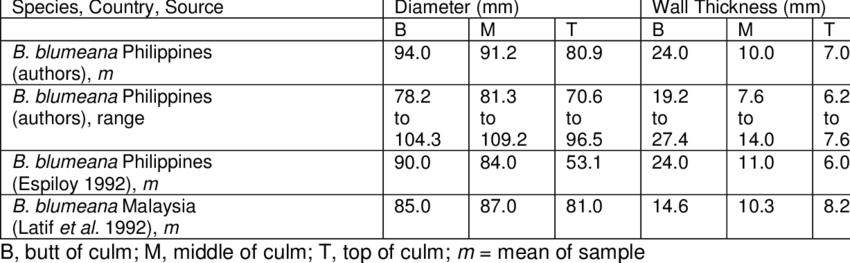
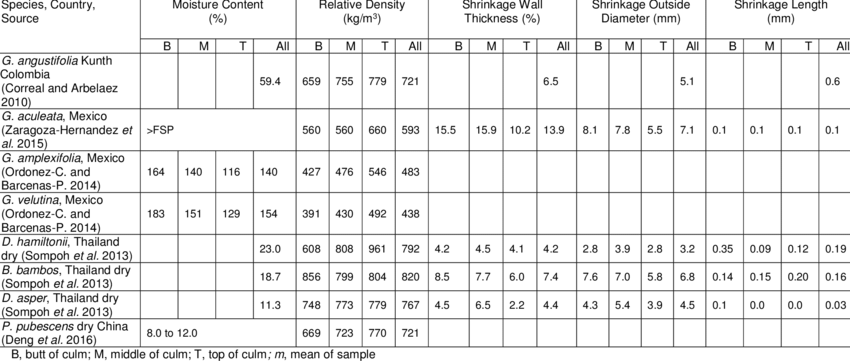
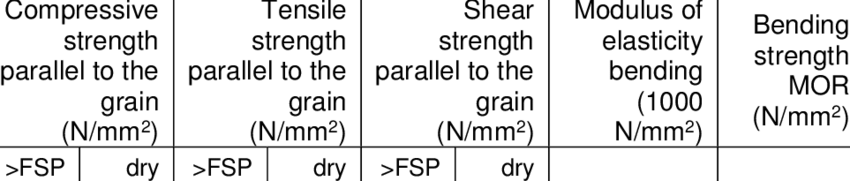
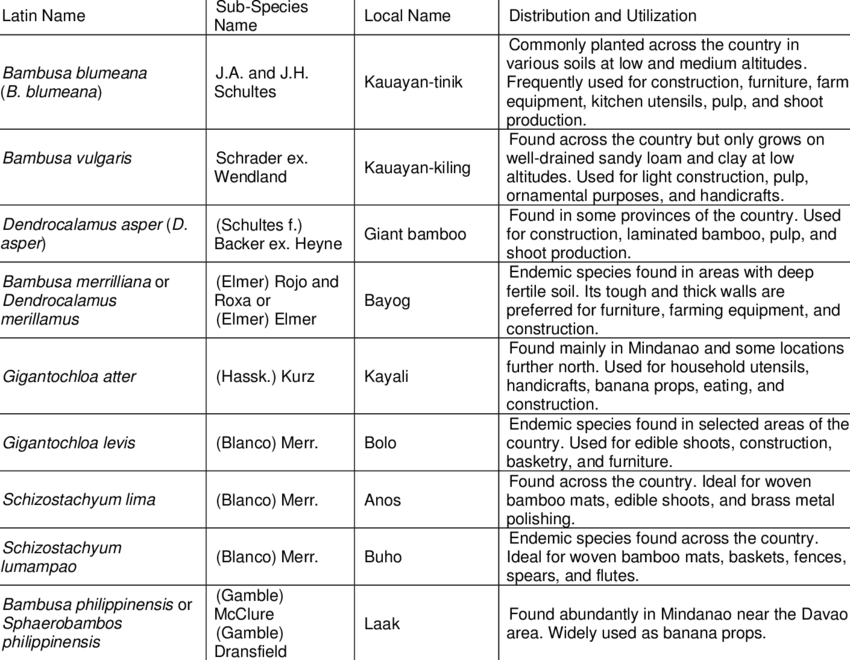
The use of cellulosic materials in the construction of low-rise housing in tropical climates has great potential. Bambusa blumeana (B. blumeana, J.A. and J.H. Schultes), the most abundantly available bamboo species in the Philippines, is a promising alternative material for the construction of cost-efficient buildings. However, to comply with municipal rules and regulations for construction, a comprehensive understanding of the organic raw material is needed to permit its application as a load-bearing structural member. In this study, the physical and mechanical properties of B. blumeana bamboo from a typical growth region of the Philippines were tested according to ISO 22157-1 (2004) and ISO 22157-2 (2004). The characteristic strength values of B. blumeana were as follows: compressive and tensile strengths parallel to the grain of 20 and 95 MPa, respectively; shear strength of 5 MPa, bending strength of 34.6 MPa, and the mean and fifth percentile modulus of elasticity of 13100 and 8600 MPa, respectively. Based on these results, a recommendation for permissible stresses for structural design was made in line with ISO 22156 (2004).

Figures