Author: appsdev@imanila.ph

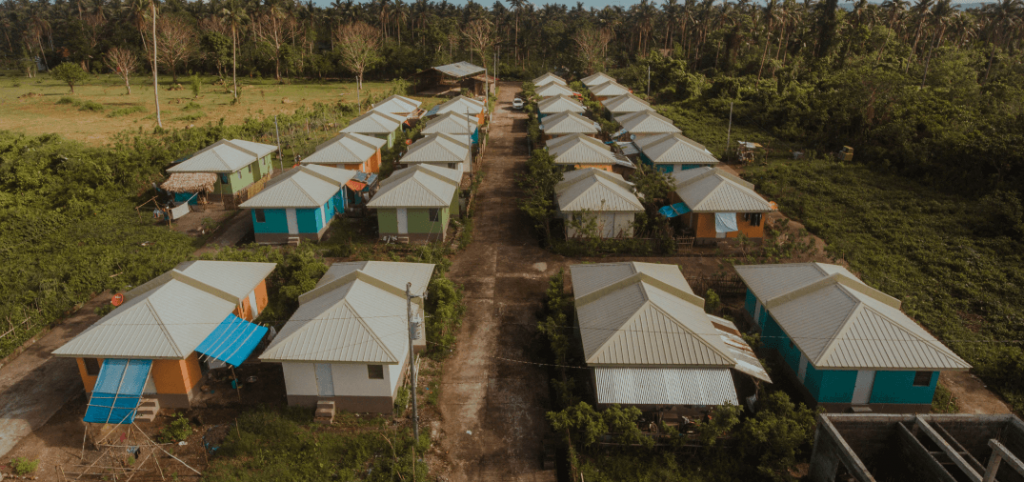
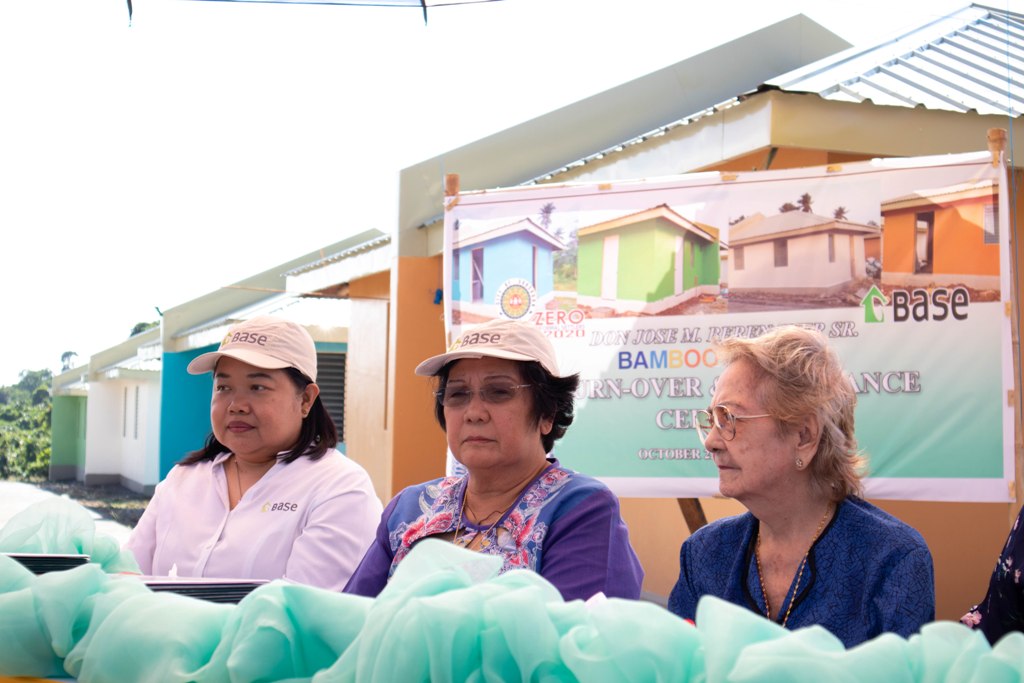
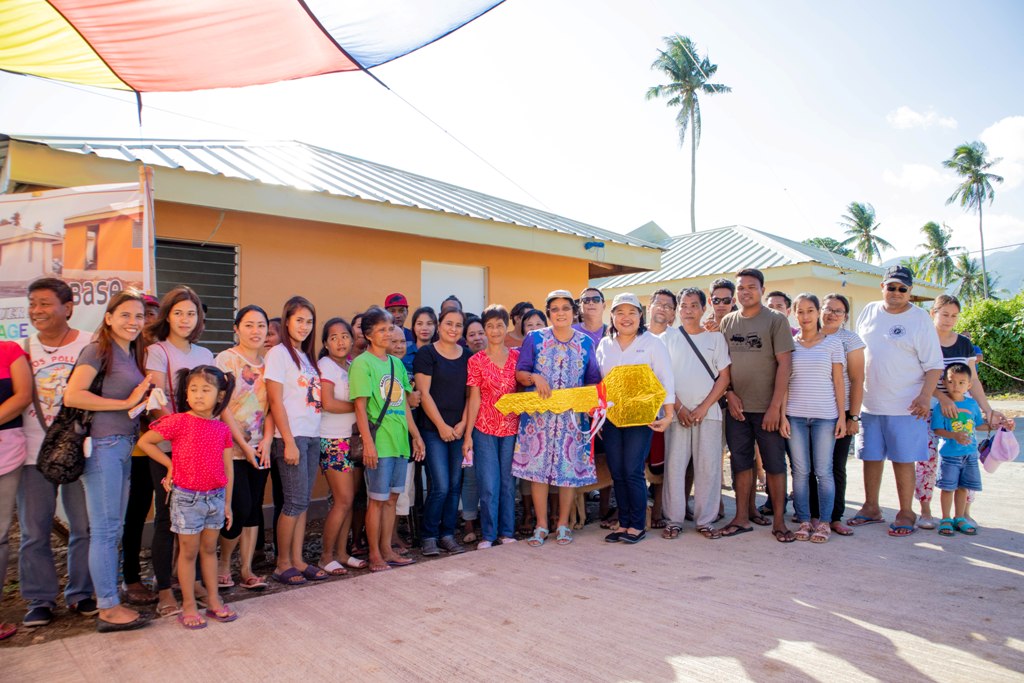
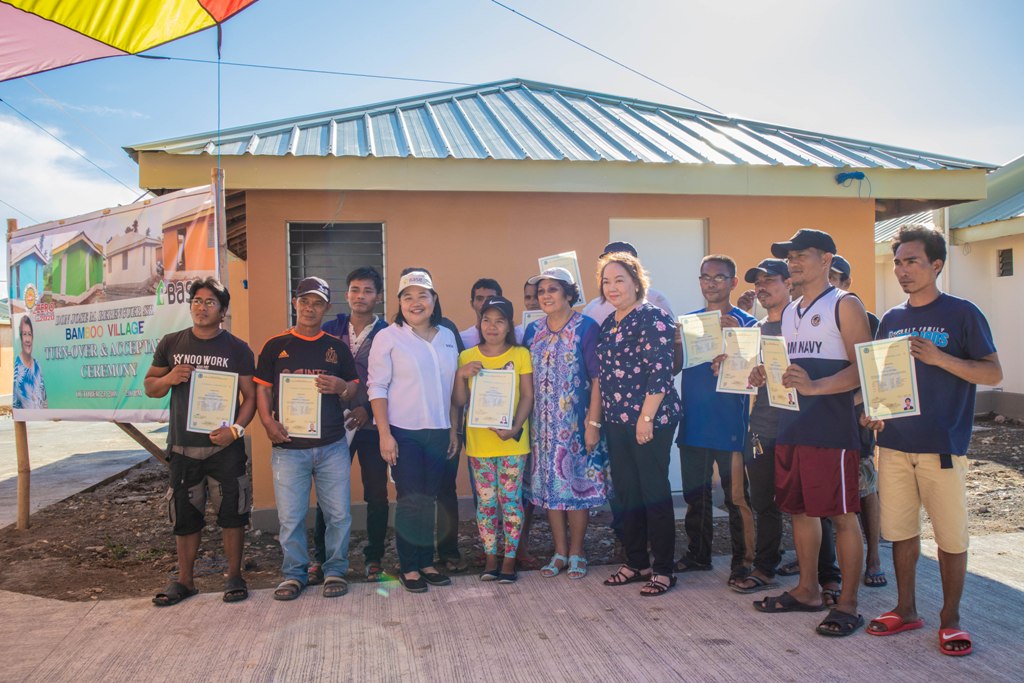
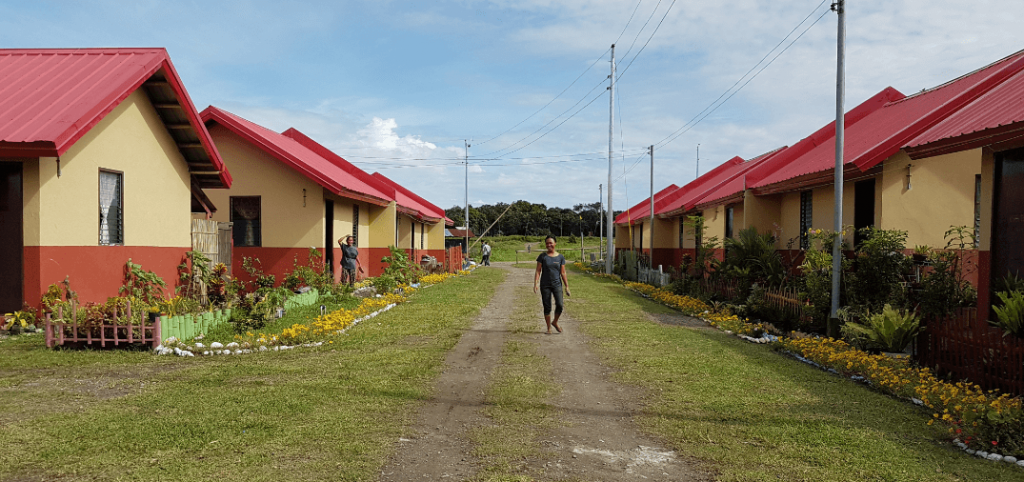
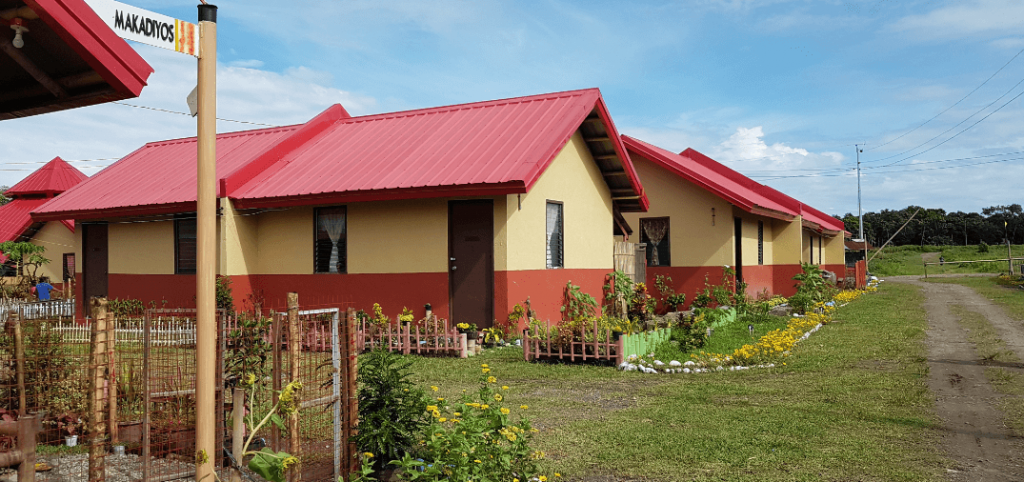
Don Jose Berenguer Bamboo Village

As a city found in the “tropical cyclone highway” of the Philippines, Sorsogon is usually one of the first areas in the country to be affected by typhoons. The constant rising sea levels, landslides, and storm surges pose immediate threats to many residents’ safety, lifestyle, and well-being. Thus, both Base Bahay and the local government of Sorsogon believe that proper shelter is necessary to ensure that the people of Sorsogon continue to live meaningful lives free of any danger due to natural disasters. Base Bahay’s direct partnership with the local government of Sorsogon enables it to fulfil this objective, without compromising the environmental or economical development of the city.

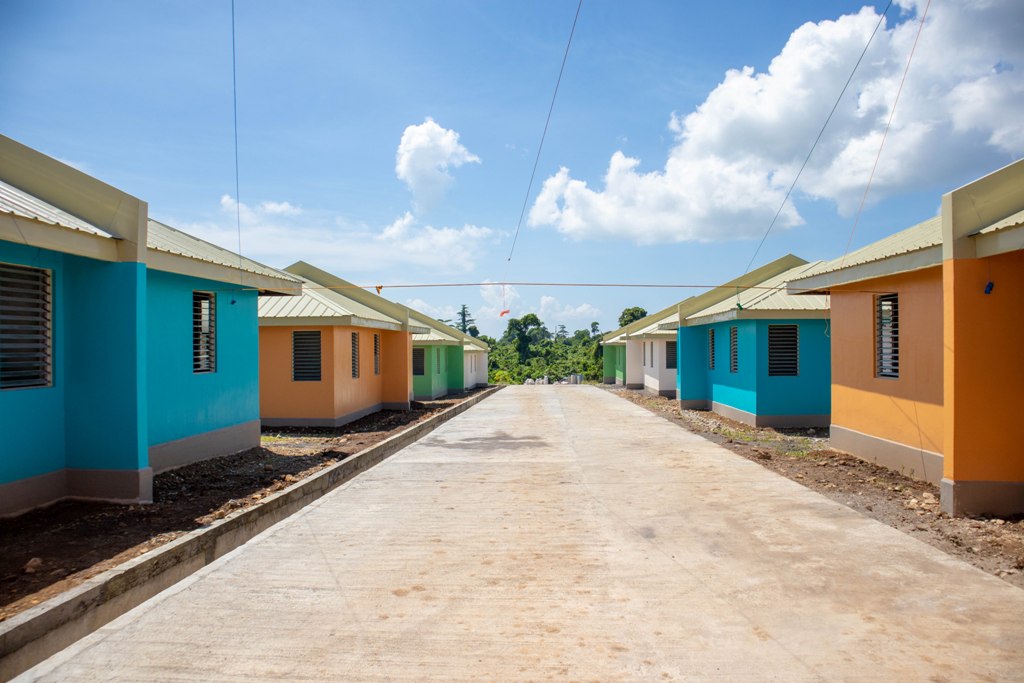
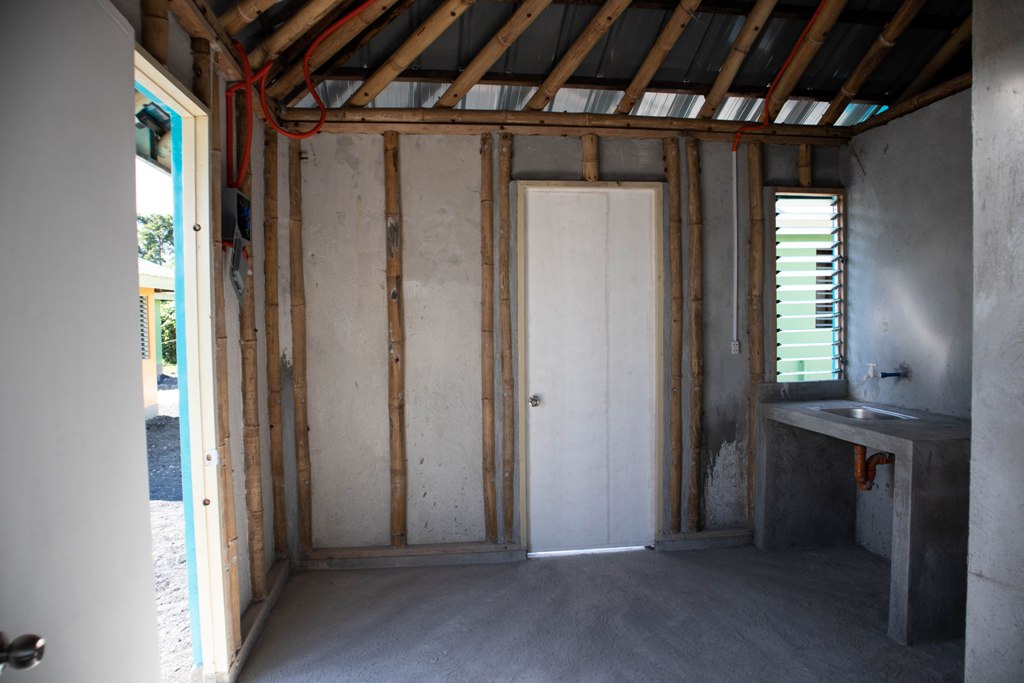
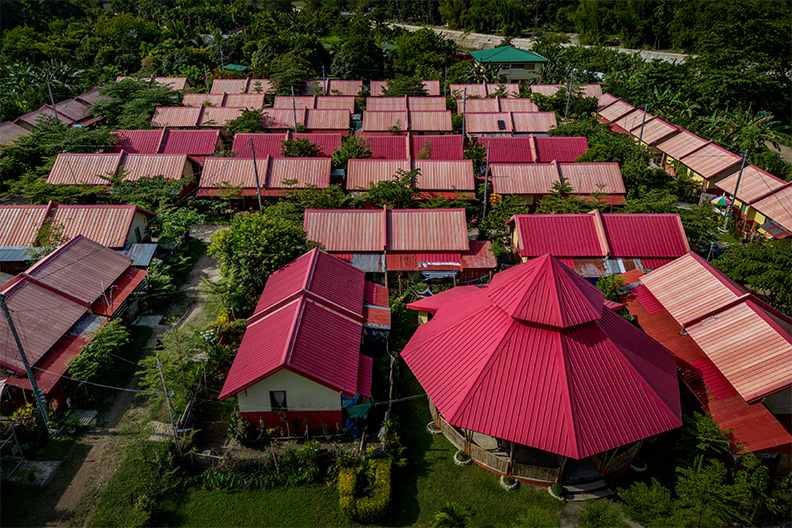
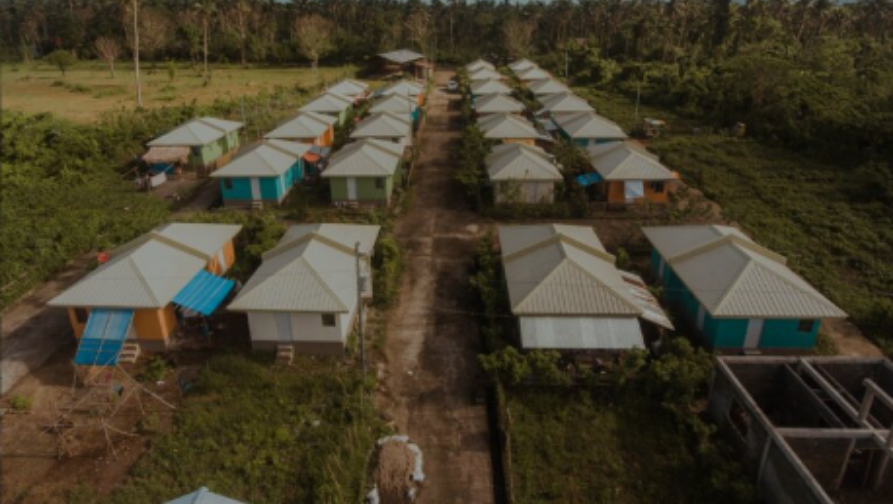
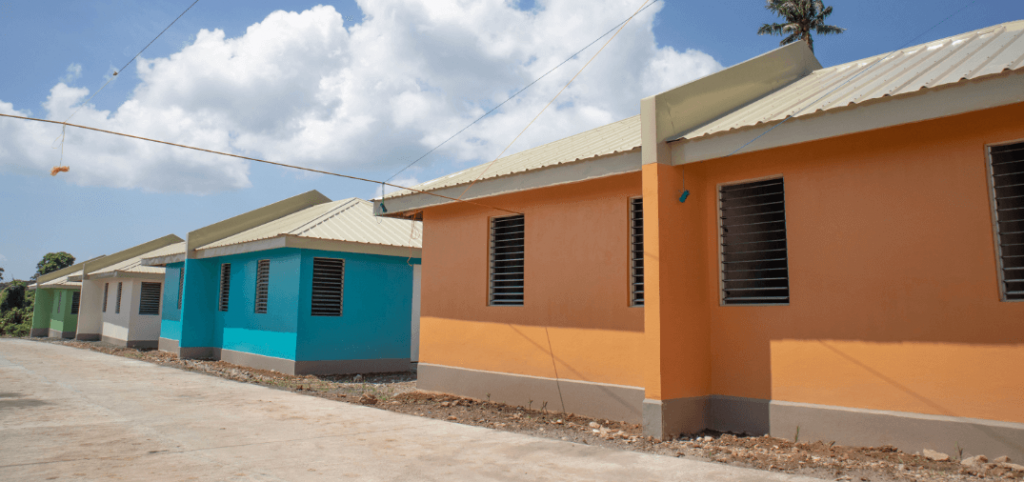
Base Bahay has constructed a total of 50 houses with the Cement Bamboo Frame Technology in order to provide housing for informal settlers who live along the coast and other potential disaster-zones around the area. Bamboo harvested in Sorsogon will also be utilised to support the local livelihood and maximize sustainable use of the province’s natural resources.

RESULTS
Houses Built: 50
Beneficiary Profile: Low-income families, urban poor
Area: Sorsogon, Bicol
Housing Type: Single-storey Duplex

The Bon-Bon Resettlement Project Phase III

Silay, a vibrant cultural city located in the northern area of Negros Occidental, is home to a large plain terrain that extends from the coastline to the inland. It is a city surrounded by a series of hills, mountain ranges, and bodies of water (Silay City, 2017). Due to this geographical location, the area of Silay is commonly affected by a large number of typhoons, thus damaging from 2,000-5,000 houses over time (Galvin, 2014). This effectively widens the increasing housing gap present in the city, while forcing many to live in disaster-zone areas.

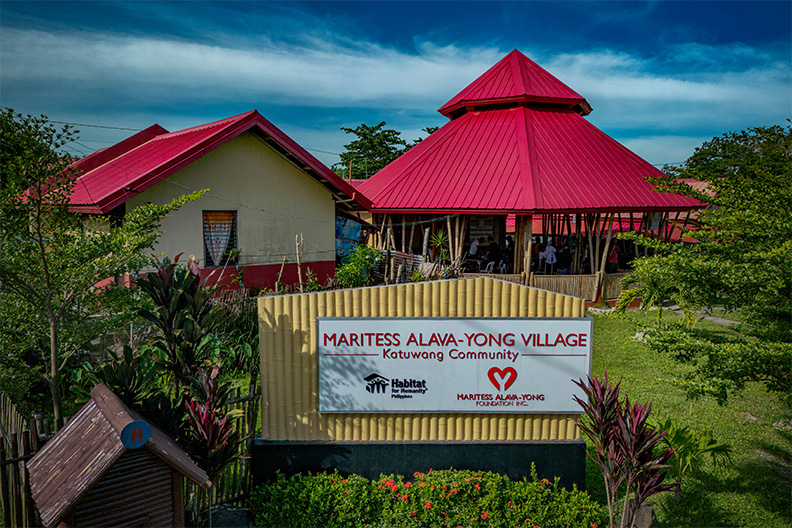
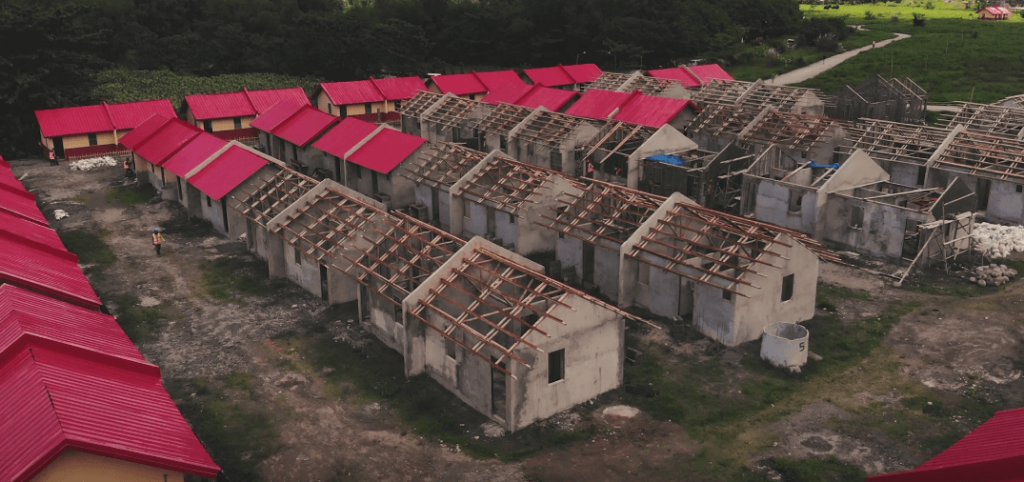
Thus, Base Bahay has collaborated with Habitat for Humanity and the local government of Silay to create “The BonBon Resettlement Project Phase III”; an initiative to provide its communities with environmentally sustainable homes in safe vicinities. The project aims to build 546 homes for a community of low-income families, victims of typhoon Yolanda, and individuals who live in disaster zones. The community members themselves have decided to call their village the “Katuwang Community’ which means “support on both sides”. Though “Katuwang” also literally means “partner”, the community chose this name to symbolize the beginning of a lifelong support system through long-term community development. With this, all organizations involved also contribute towards the response of providing housing for approximately 10,000 informal settlers and families living in precarious areas throughout the city. The provision of shelter serves as the foundation for authentic community building and ultimately, the transformation of people’s lives.

RESULTS
Target number of houses to be built: 546 houses
Beneficiary Profile: Low-income families, victims of typhoon Yolanda who live in disaster-zones
Area: Silay, Negros Occidental
Housing Type: Single-Storey Duplex

Base Bahay launches first research, testing facility for sustainable bamboo house technology in the Philippines

January 27, 2021, Makati, Philippines—In line with their goals of promoting sustainable housing technologies, Base Bahay, the pioneering foundation that provides alternative building technologies for socialized housing, has launched the Base Innovation Center (BIC) last January 27.

Located in the Foundation’s Makati office, the BIC is the first research and testing facility for sustainable and disaster-resilient construction technologies in the country. It houses a Universal Testing Machine, a Bamboo Wall Panel Reaction Frame, fabrication tables, and a model house, wherein new materials and building techniques are tested.

Base Bahay Head of Technology Luis Felipe Lopez Munoz shared, “A key part of our commitment to promoting sustainable housing technologies is constant innovation.”

He added, “With the launch of this innovation center, we aim to further our research on bamboo construction technology, that we may continue to provide Filipinos with more affordable and resistant solutions to housing.”

Together with their partners, Habitat for Humanity Philippines and the Hilti Foundation, they are hoping to further optimize bamboo construction technology and promote its widespread use in the country.

With the launch of the BIC, they are targeting to build 10,000 cement bamboo houses by 2024, in response to the growing need for socialized homes in various disaster-prone areas within the Luzon and Visayas regions.

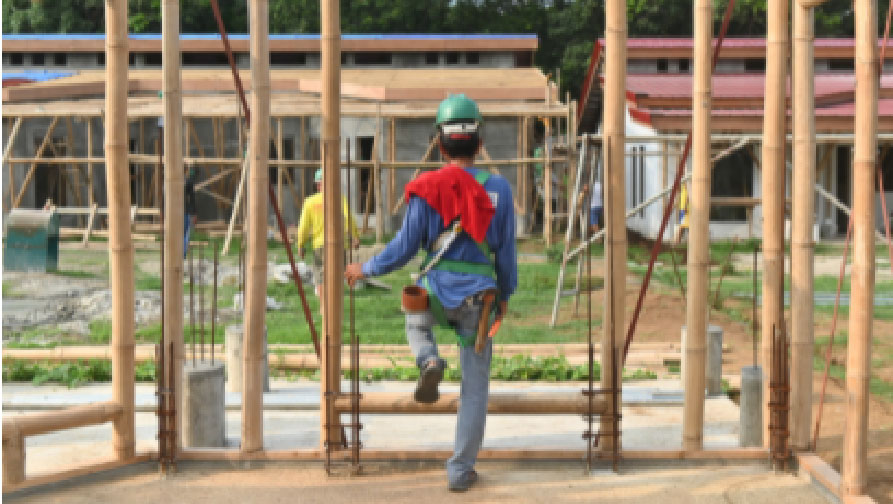
As of 2020, Base has built over 800 houses, 10 communities, 5 supply facilities, and housed over 4,000 individuals across the Luzon and Visayas areas. They’ve also trained over 100 TESDA-certified workers on masonry, carpentry, and in the application of cement bamboo technology in the
country.

Currently, Base has ongoing research projects with the De La Salle University which focus on the determining the strength and mechanical properties of various bamboo species.

Base Bahay General Manager Dr. Pablo Jorillo said that these studies are being conducted to guide the development of a local structural code for bamboo, aligned with the Philippine National Standard (PNS) 22157 and the proposed International Organization for Standardization’s ISO 22156. The former determines the specific testing procedures for obtained bamboo culms, while the latter is meant to institutionalize the use of bamboo in structural design.

Dr. Jorillo shared, “As leaders in the field of sustainable housing technologies, we recognize that we play a pivotal role in ensuring that every Filipino has access to a home.”

He added, “Through the Base Innovation Center, we are looking to open more doors with our partners, that we may continue to provide Filipino families strong cement bamboo structures for their homes, intensive research that will encourage innovation, and comprehensive technology training.”

To know more about Base Bahay Foundation and their projects, you may visit http://www.base-builds.com/.

True Filipino Resilience

For the residents of the Don Jose M. Beringuer Sr. Bamboo Village in Sorsogon City, Sorsogon, “resilience” is not just a trendy rhetoric, it’s a yearly necessity.

Part of the Bicol region and directly facing the Pacific Ocean, Sorsogon is among one of the most-often hit areas in the Philippines for typhoons. It is regularly visited by at least 2-3 direct hits from typhoons every year; This year alone, the Bicol region was hit one after the other by Typhoons Quinta and Rolly, which sustained maximum winds of 130 kph and 315 kph respectively.

Millions in damages are sustained per year, and as always, it is those living in less than adequate housing and temporary shelters who remain the most vulnerable to these hazards.

Though an outpouring of donations and relief operations greatly help the region after every destructive typhoon, it becomes more and more obvious that there is an urgent need to re-evaluate the way we see resilience. Filipino resilience must be redefined to not just be the ability to cheerfully pick up the pieces after every damaging typhoon, but more than anything, must mean learning from and being prepared for the next. Typhoons are naturally-occurring, but disasters are preventable – loss of lives and property can be avoided through providing safe, disaster-resilient, and adequate housing to those most at risk.

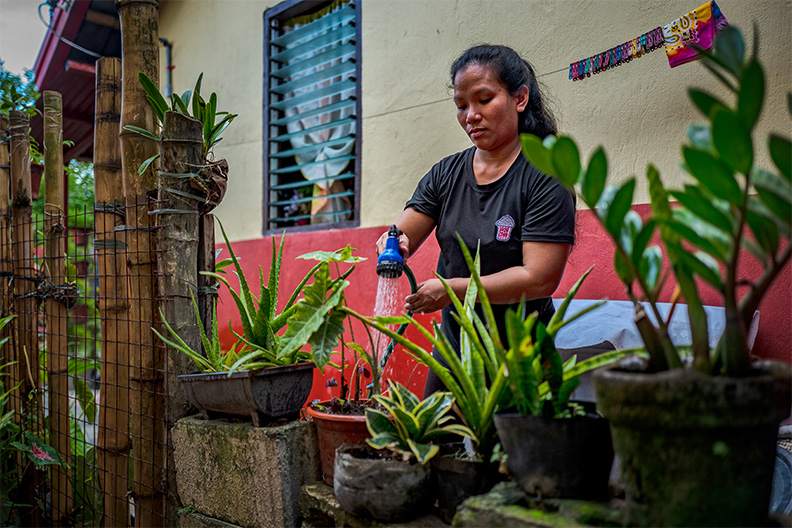
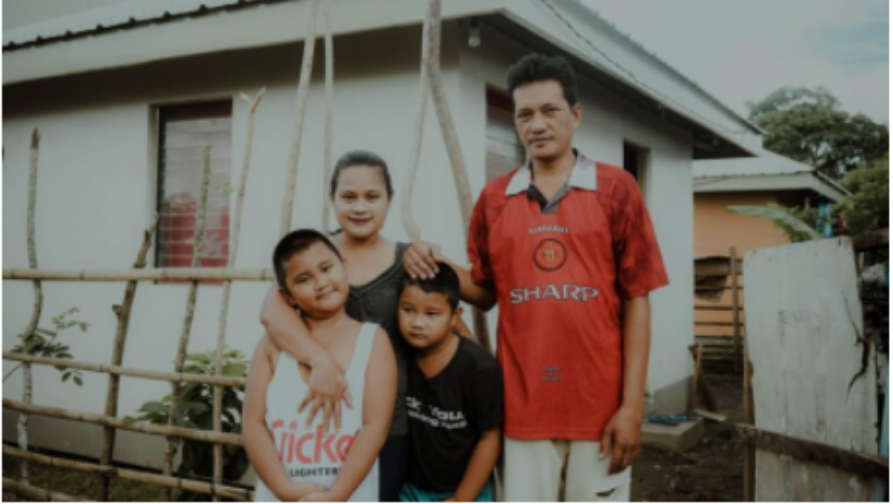
Since its construction in 2017, the Don Jose M. Beringuer Sr. Bamboo Village in Sorsogon has withstood three major typhoons – Typhoon Tisoy in 2018, which sustained maximum wind speeds of 215 kph, and Typhoons Quinta and Rolly this year. Beneficiaries have reported that the CBFT houses sustained no damage, with the community kept safe during the onslaught of the typhoons.

“Yung Bagyong Tisoy talaga sobrang lakas ng hangin. Pero safe na safe kami dito, walang nasira sa amin.” [“The winds of Typhoon Tisoy were really strong. But we were safe here, there was no damage at all.”]

Now more than ever, we must recognize that resilience is not just about getting back up after every disaster; resilience is actively preparing for and ensuring that future disasters are prevented.

Cemex Philippines Foundation supports building with Cement-Bamboo Frame through its Build Education, Build Environment, Build Sustainability Program

Here at Base Bahay, we believe that sustainable development is not a one-man job; true change can only be achieved through an intersectional collaboration of partners that work together for holistic development.

This month, we sat with Ms. Erlinda Lizardo, Corporate Communications Manager of Cemex Foundation Philippines. As the arm of Cemex Philippines in charge of corporate social responsibility programs, Ms. Lizardo heads the Foundation’s many development programs that operate nationwide.

“The vision of the Foundation is really to help uplift the lives of the Filipino people. Our projects are geared towards helping the Filipinos improve their quality of life, whether it’s in housing, environment, education, or training, skills-improvement.”

Currently, the Foundation is focusing on three main advocacies: Build Education, Build Environment, and Build Sustainability. “These are areas we can share knowledge, in terms of the partnerships that we build, with the communities and other organizations,” Ms. Lizardo says, with regard to their Build programs; “These are things that we are really able to develop technology-wise, and where our expertise lies.”

This is seen particularly in their global programs such as the acclaimed Patrimonio Hoy program spearheaded by Cemex Foundation Mexico. The program utilizes a business model that engages with the base of the pyramid, giving low-income families access to building materials, and enabling them to build their own homes. To date, the program has helped elevate the lives of more than 450,000 families in Mexico. Though the Philippine office has yet to adopt this program, this is something that they hope to implement as well in the country.

Cemex Foundation Philippines has had partnerships and projects with different organizations for housing projects, including Gawad Kalinga and Habitat for Humanity in Cebu, as well as with Base Bahay Foundation. This year, Cemex Foundation Philippines has donated bags of cement to 4P for People and Base Bahay Foundation for the construction of the Rejoice Children’s Village project in Batangas.

Looking forward, Cemex Foundation Philippines has a lot more planned for their projects, including establishing more partnerships as well as launching educational programs for public school students, engineers, and architects. Ultimately, the Foundation aims to expand their reach to more local communities in need.

“In the coming years we hope to be able to scale up, to help countless Filipinos, help their lives improve. We’re building a better future for Filipinos.”

Hilti Foundation Pivots to Asia through Affordable Housing and Technology, Music for Social Change and Economic Empowerment

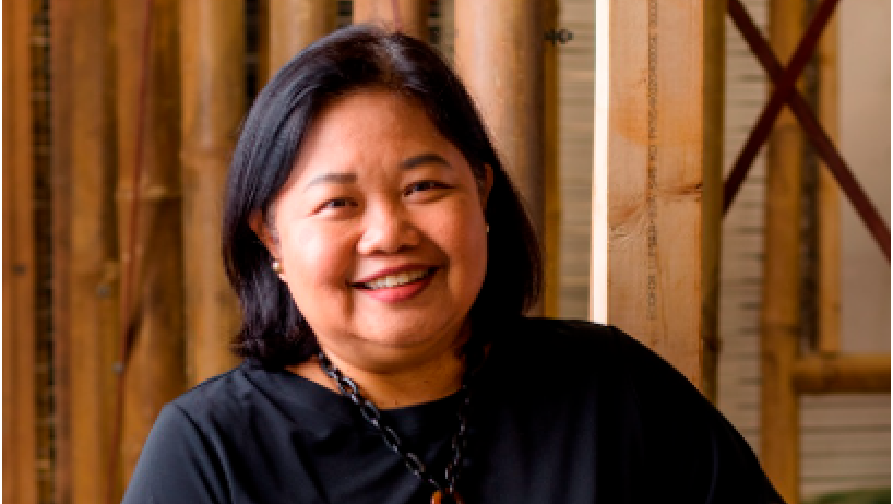
This year has seen many changes in Base Bahay as it pivots, focusing on research, innovation, and training. In April, Maricen Jalandoni, formerly the general manager of Base Bahay, moved up as President of Base Bahay and Chairman of the Board of Trustees. While still actively working on programs related to Housing in Base Bahay Foundation, Maricen now also acts as a liaison for the HILTI Foundation projects in Asia as part of the HILTI Foundation’s aim of bringing more of its projects to the region, through Base.

Founded in 1996 in Schaan, Liechtenstein, the HILTI Foundation is committed to the principle of “building a better future” by focusing on three advocacies: Affordable Housing and Technology, Music for Social Change, and Economic Empowerment. In the Philippines, it initiated Affordable Housing and Technology programs through Base Bahay, and is now gearing up to engaging in its other program areas in the Asian region (starting with the Philippines), also through Base Bahay.

Maricen, having been active on the ground with Base Bahay communities, knows that affordable housing is only the beginning and that true sustainable development is a longer road ahead.

“Economic empowerment is our next step to supporting the communities where we have built houses. We’ve helped cover their housing needs, now we would like to help in their need for sustainable livelihood programs,” she says, when asked about the HILTI Foundation’s plans to create thriving communities.

“By supporting economic empowerment activities, we can act as catalysts to bringing them to more financial stability and eventually, to financial independence. They can start to earn and work on their own because now they will have the ability.”

The Music for Social Change program, on the other hand, seeks to empower children and youth through music. Music can be a powerful instrument to effect social change. “Through an extensive music program, the children discover their talents as well as learn discipline, teamwork and improve their social skills. And as they grow with their music, they in turn inspire their families by sharing the values they’ve learned in the program.”

Though the HILTI Foundation hopes to begin introducing these projects to communities built with Base Bahay, this will not stop them from working in other areas as well.

HILTI Foundation believes that all of this is achievable through working with an extensive network of partners with different sets of expertise. Maricen points this out as she emphasizes the need for strong collaborations through a coalition of partners, not just with organizations but also with the communities themselves, that work together to build a holistic program.

“It’s about collaboration and partnership. It is not one institution. It is a combination of institutions. It is a combination of expertise that makes a project work. It involves public and private institutions and the people themselves.”

The scale of projects which both the Hilti Foundation and Base Bahay Foundation plan to take in the next few years seems daunting but they remain unfazed. As they continue to stress, sustainable development is achievable through an intersectional collaboration of partners, all working towards the same goal. And with everyone’s continued support, it becomes possible for us to help our fellow Filipinos build better futures of their own.