Base Initiatives

Eleni Eleftheriou, ETH Zurich
Edwin Zea Escamilla, ETH Zurich
Guillaume Habert, ETH Zurich
Luis Felipe López, Base Bahay Foundation Inc.
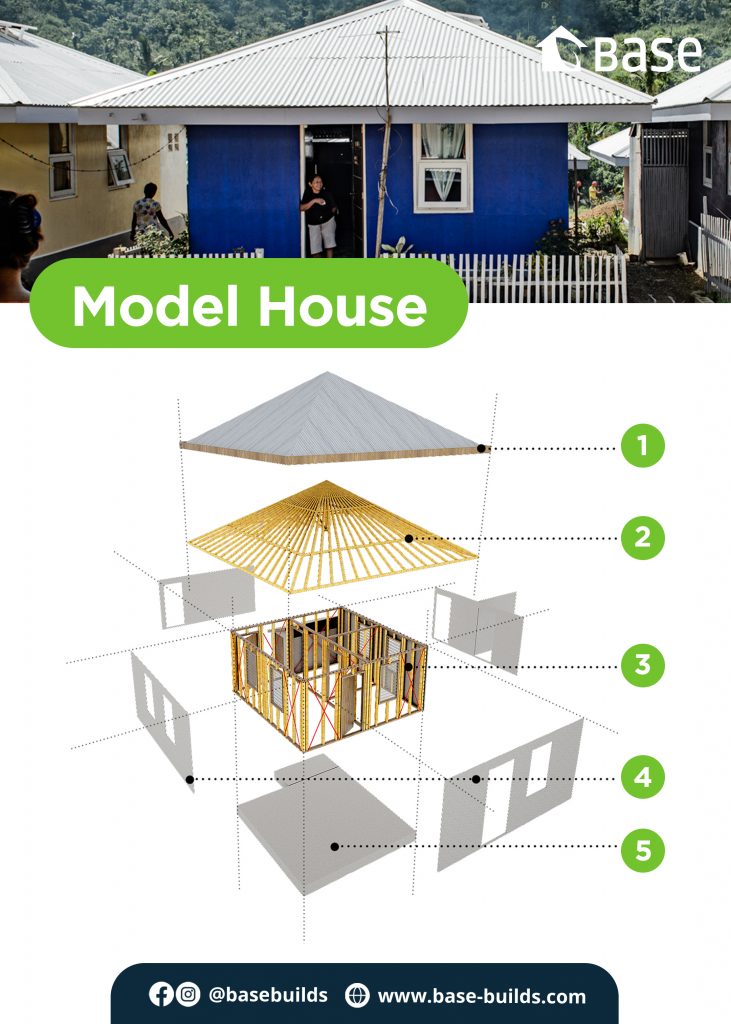
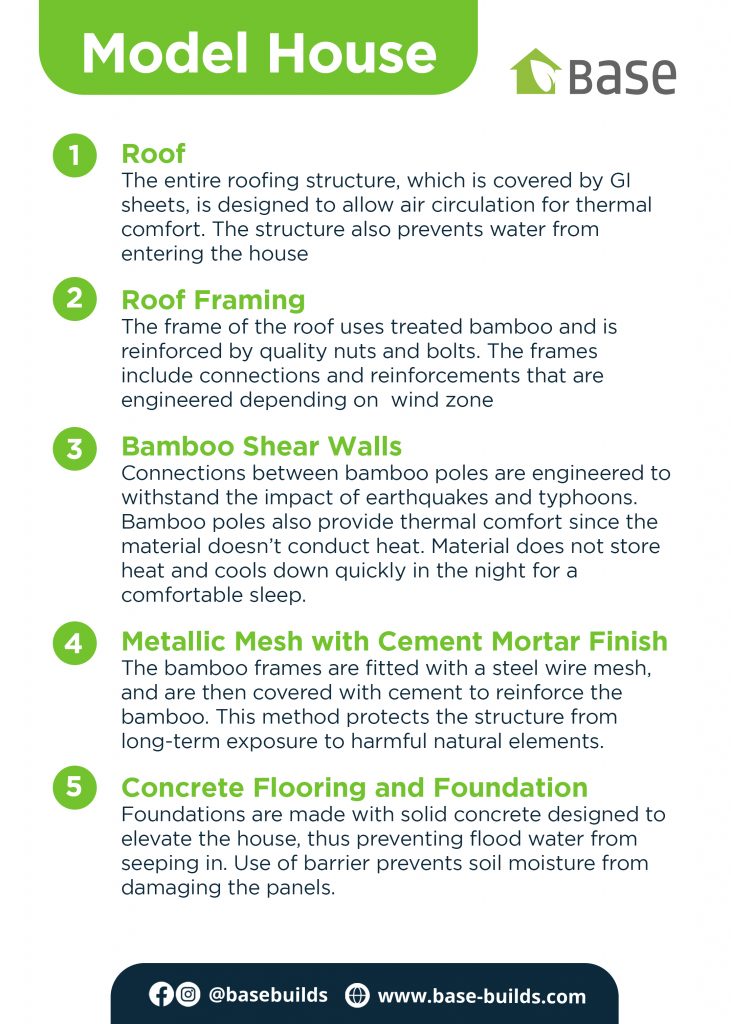
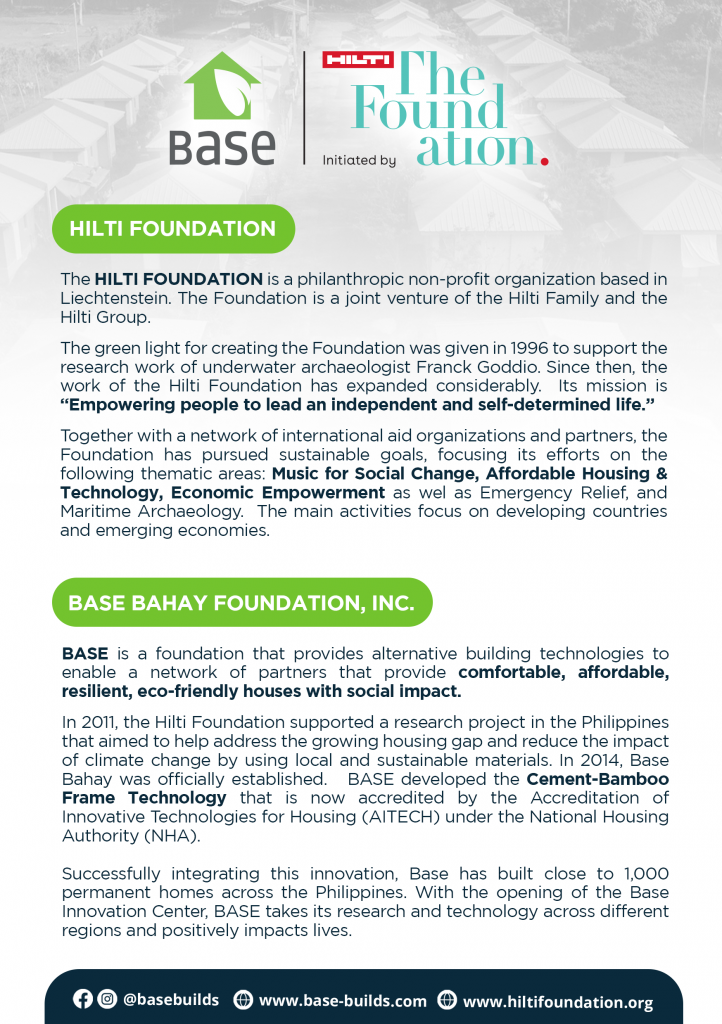
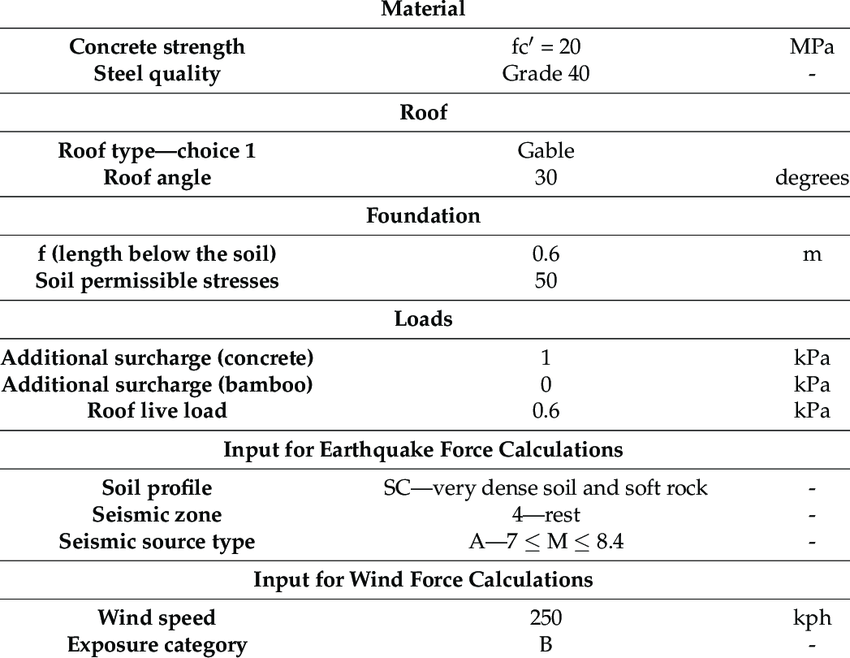
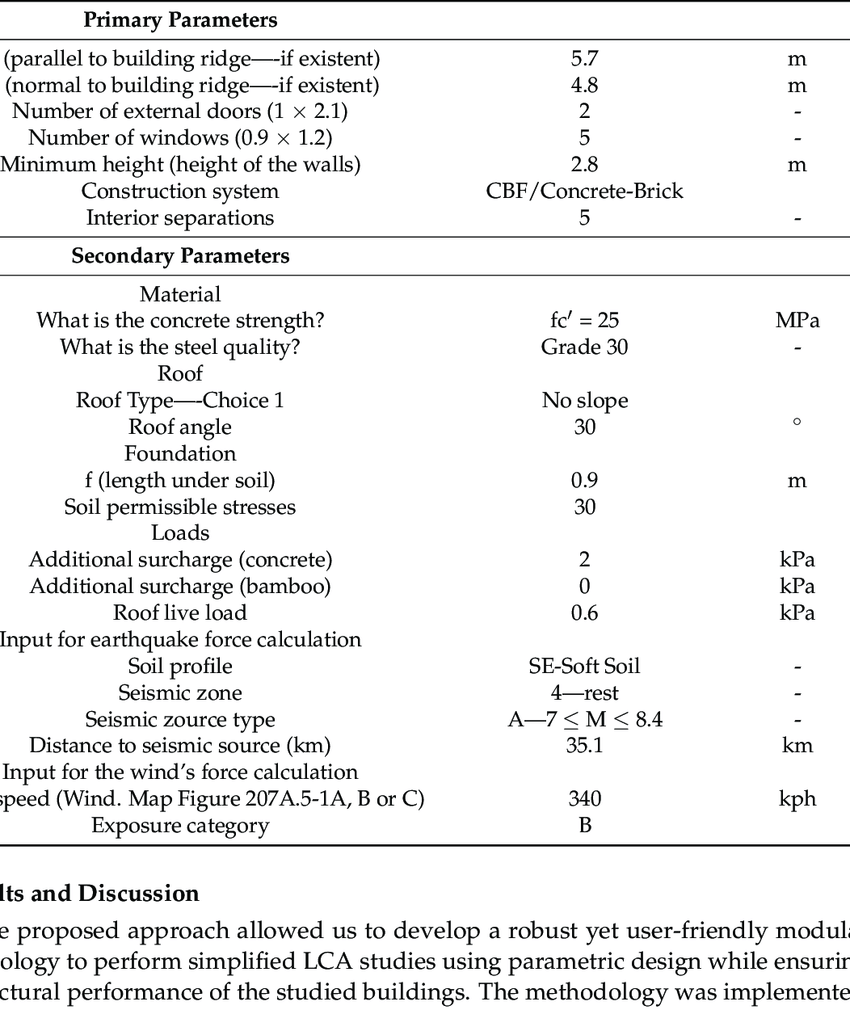
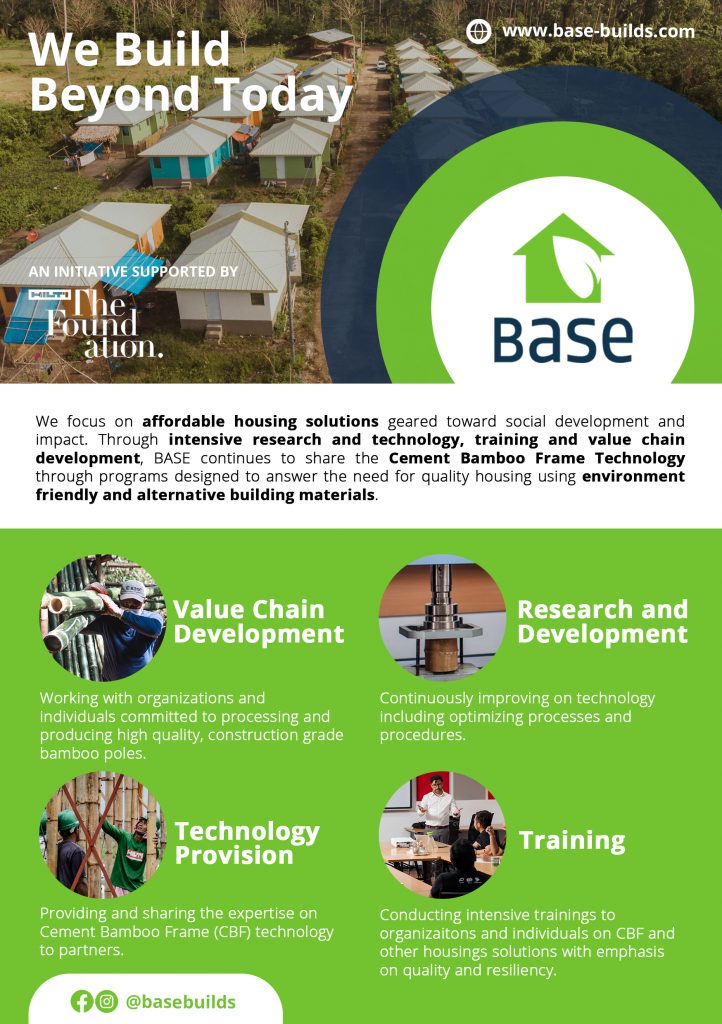
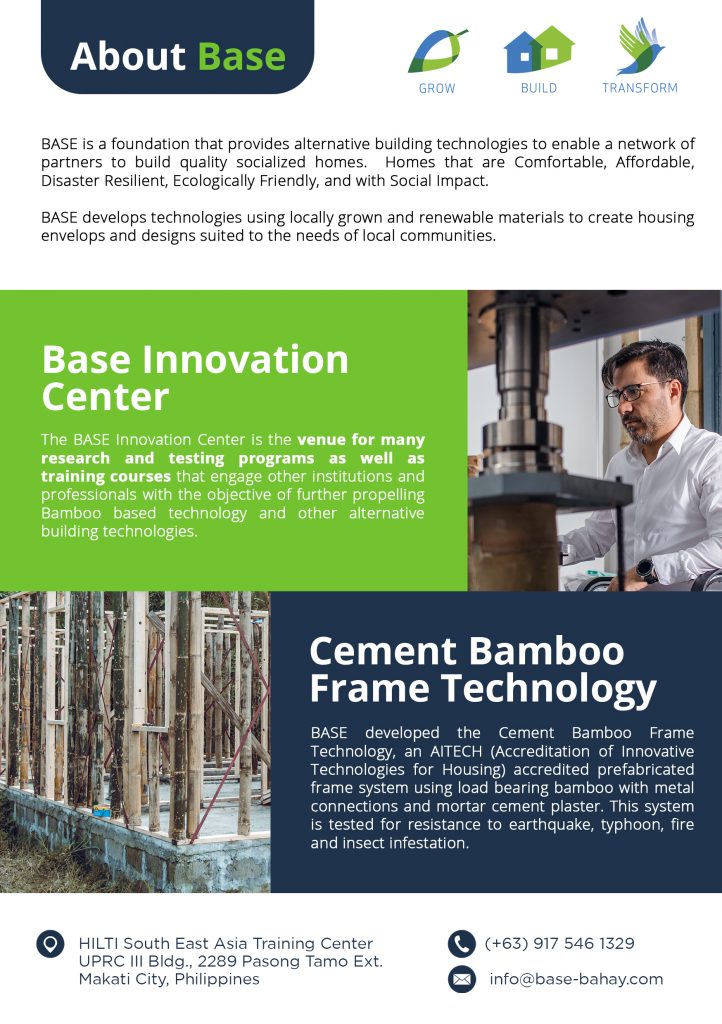
The provision of sustainable housing solutions is one of the main challenges in emerging economy countries. Furthermore, it is clear that a sustainable solution should be based on renewable bio-based materials. The scientific and practical evidence clearly suggests that the use of bamboo in the provision of housing solutions not only brings environmental but also socio-economic benefits to the communities using these strategies. One barrier to the promotion of this type of solution is the lack of knowledge of its structural design and environmental performance. Moreover, the access to assessment tools and methodologies to carry out such assessments is limited. Life Cycle Assessment (LCA) is widely recognized as the most appropriate method to calculate environmental impacts through a product’s life cycle. LCA is methodologically described on the ISO series 14040 and proposes an input-output relationship between the environment and human activity. LCA has been used in research with many case studies focusing on the built environment and especially on buildings. Nevertheless, the practical application of LCA is very limited, especially in the affordable housing sector. Two main reasons had been identified, first, the development of LCAs is data and time intensive and second, the cost of software or third-party assessment makes the implementation of LCA on affordable housing projects unviable. The use of simplified LCA has shown great potential to solve these challenges but the generation of life cycle inventory data remains the main issue hindering its implementation of user-friendly tools. In this paper, we describe the development of a methodological approach to using parametric design to generate the data required to carry out a simplified life cycle assessment of bamboo-based buildings. Moreover, we present a case study assessing a housing unit using cement-bamboo frame technology developed by the NGO Base-Bahay in the Philippines. From these experiences, it can be concluded that parametric design is a valid approach to overcoming the main identified challenges. In addition, this approach requires further development to cover additional design features like wind, earthquake, and soil quality demands. With this work, we show that the complexity of LCA can be reduced. Finally, the use of parametric approaches enables the development of cost-effective solutions that can increase access to this kind of assessment in the affordable housing sector.

Kent Harries, University of Pittsburgh
Amir Mofidi
John Naylor, Newcastle University
David J A Trujillo, Coventry University
Luis Felipe López, Base Bahay Foundation Inc.
Mateo Gutierrez
Bhavna Sharma, University of Southern California
Chase Rogers, University of Pittsburgh
In November 2021, a symposium was held to identify knowledge gaps, research needs, and priorities in the bamboo community. Participants were asked to complete a post-symposium survey on research gaps, needs, and priorities. Both rank-order and open-ended questions were asked covering the broad areas of i) determination of material properties, testing, and grading; ii) bamboo connection techniques and technology; iii) bamboo durability and fire performance; and, iv) construction using engineered bamboo. This paper reports the survey and its results. The subsequent discussion identifies priorities for future research that can be leveraged to move the use of bamboo in construction forward. INTRODUCTION In November 2021, a symposium-Bamboo in the Urban Environment IV-was held to identify knowledge gaps, and research needs and priorities as perceived by the bamboo community. The symposium attracted 240 unique participants (Table 1) who were asked to complete a post-symposium survey on research gaps, needs, and priorities. 42 responses (18%) were received representing a range of stakeholders from at least 12 countries. Both rank-order and open-ended questions were asked covering the broad areas of i) determination of material properties, testing, and grading; ii) bamboo connection techniques and technology; iii) bamboo durability and fire performance; and, iv) construction using engineered bamboo. This paper reports the survey and its results. The co-authors include the Symposium organizers and facilitators of each session (Table 1). The objective of the symposium and survey was to identify priorities for future research that can best be leveraged to move the use of bamboo in construction into the mainstream.

Sebastian Kaminski, Arup
Kent Harries, University of Pittsburgh
Luis Felipe López, Base Bahay Foundation Inc.
David J A Trujillo, Coventry University
Hector F Archila, University of the West of England, Bristol
The durability of bamboo is one of the most important aspects to consider when designing and building with this nature-based material. Durable structures with bamboo are resilient, cost-effective, and have a lower whole life-cycle environmental impact. This paper firstly reviews the main causes of the decay of bamboo: beetle, termite, and fungal, and then discusses the efficacy of different treatments-both traditional and modern. Common misconceptions around the durability of bamboo and its preservation methods are corrected. Finally, the recently published framework for the durability of bamboo within ISO 22156 – Bamboo Structures, based on Use Classes, is presented.