Comparative Analysis of Shear Strength Parallel to Fiber Of Different Local Bamboo Species in the Philippines

Authors

Brian Bautista, De La Salle University
Lessandro Estelito O. Garciano, De La Salle University
Luis Felipe López, Base Bahay Foundation Inc.

Abstract

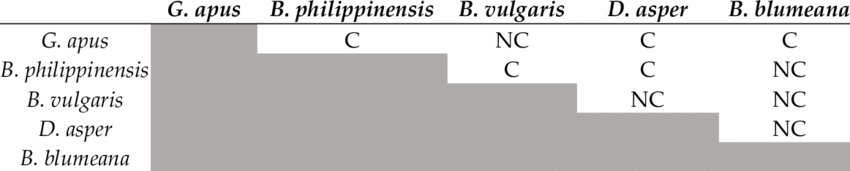
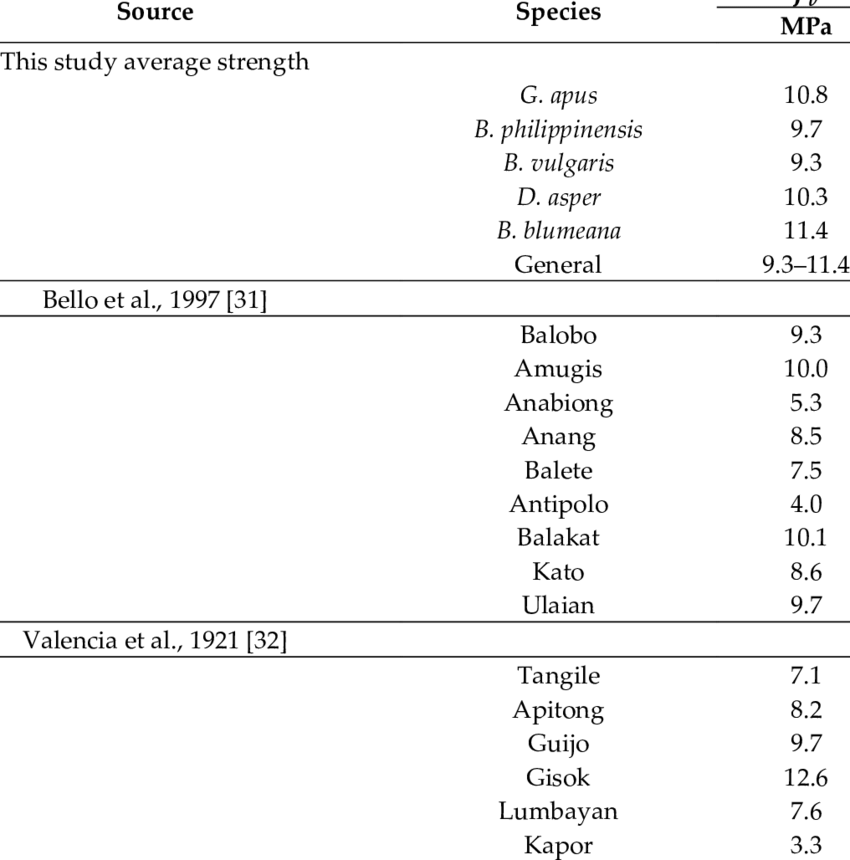
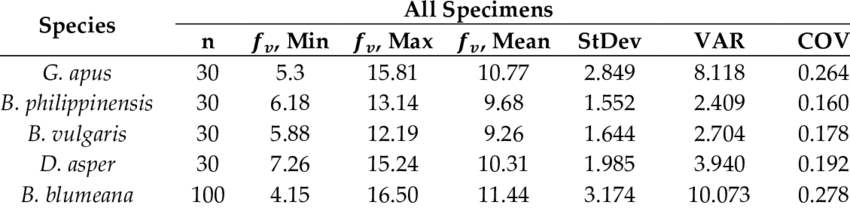
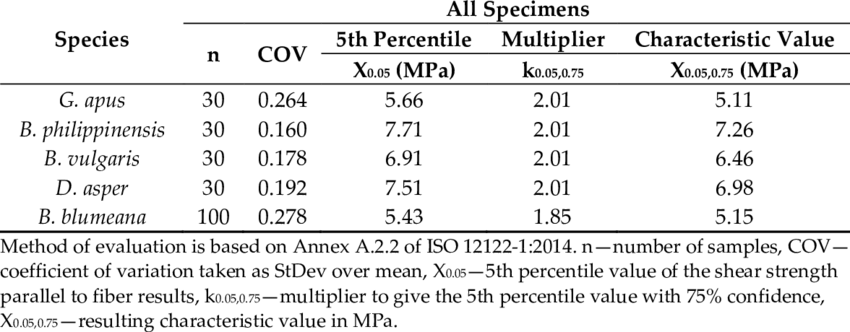
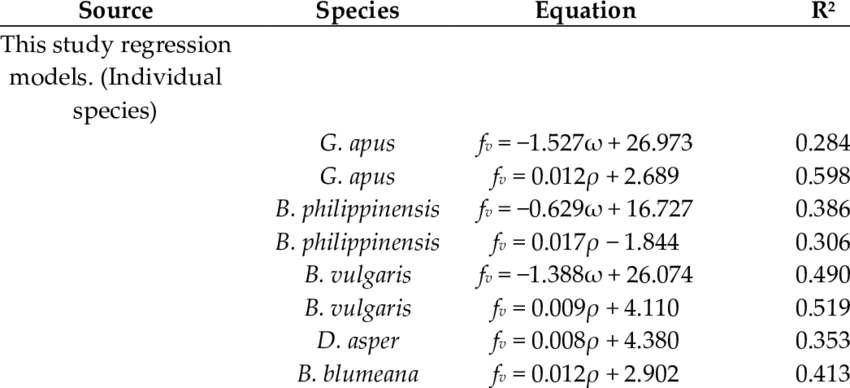
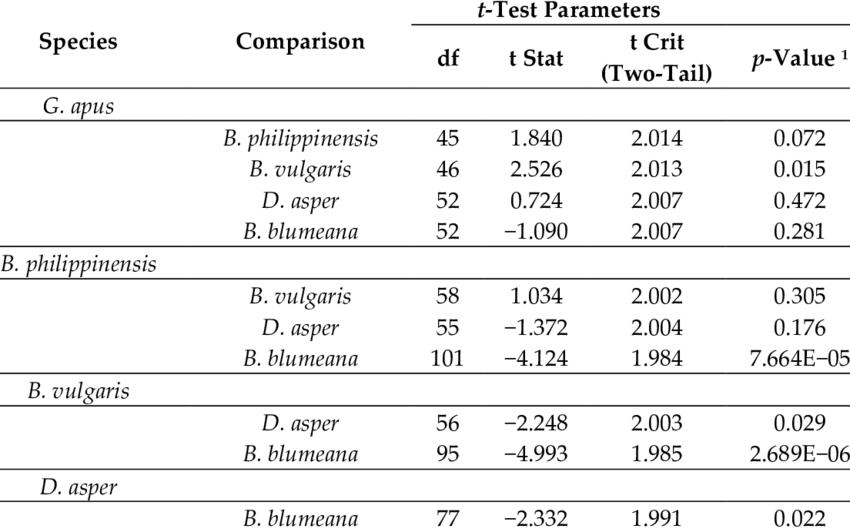
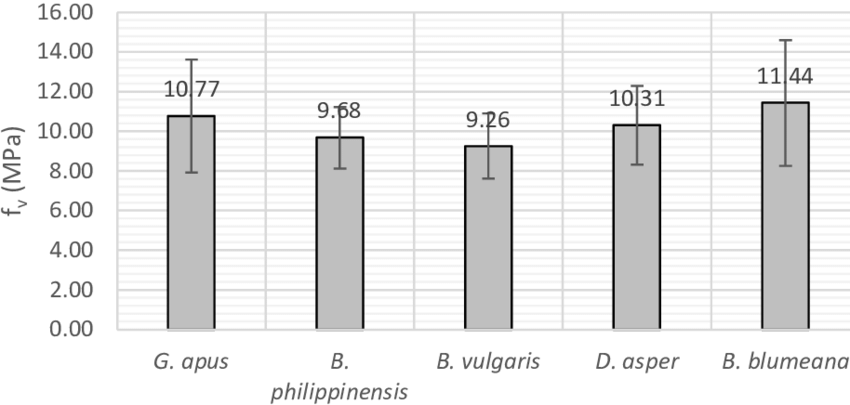
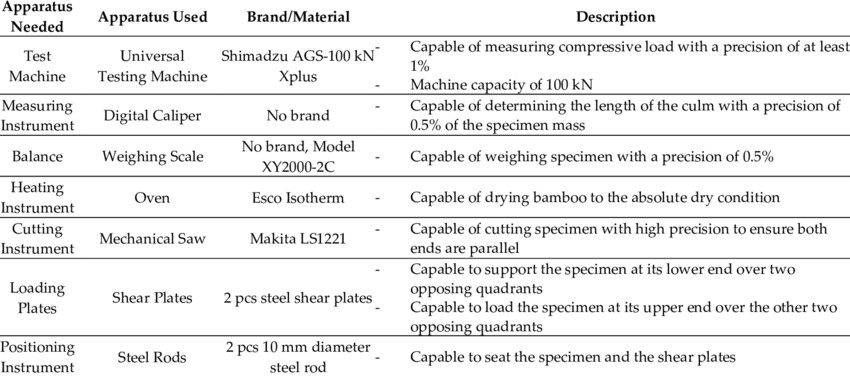
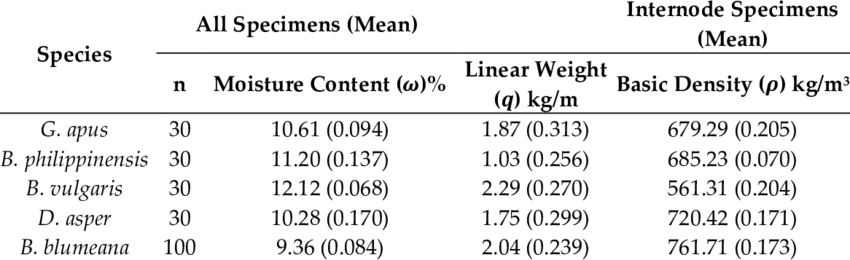
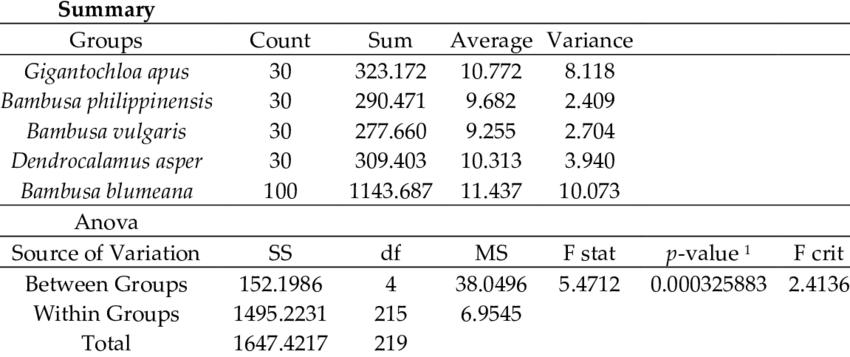
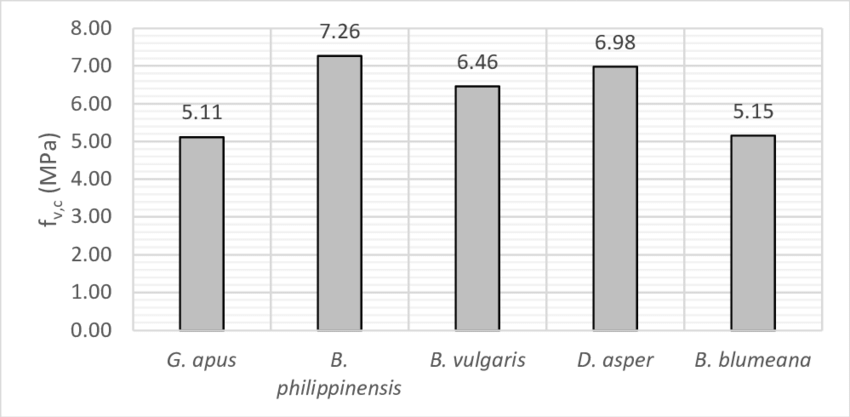
There are limited published studies related to the mechanical properties of bamboo species in the Philippines. In this study, the shear strength properties of some economically viable bamboo species in the Philippines were properly characterized based on 220 shear test results. The rationales for selecting this mechanical property are the following: (1) Shear strength, parallel to the fiber, has the highest variability among the mechanical properties; and (2) Shear is one of the governing forces on joint connections, and such connections are the points of failure on bamboo structures when subjected to extreme loading conditions. ISO 22157-1 (2017) test protocol for shear was used for all tests. The results showed that Bambusa blumeana has the highest average shear strength, followed by Gigantochloa apus, Dendrocalamus asper, Bambusa philippinensis, and Bambusa vulgaris. However, comparative analysis, using One-way ANOVA, showed that shear strength values among these bamboo species have significant differences statistically. A linear regression model is also established to estimate the shear strength of bamboo from its physical properties. Characteristic shear strength is also determined using ISO 12122-1 (2014) for future design reference.
Figures

Establishing the Strength Parameters Parallel to Fiber of Dendrocalamus asper (Giant Bamboo)

Authors

Anika De Jesus, De La Salle University
Lessandro Estelito O. Garciano, De La Salle University
Luis Felipe López, Base Bahay Foundation Inc.
Diane Megan Co Ong, De La Salle University
Ma Chrissel Paula Roxas, De La Salle University
Mikhaela Andrea Isidro Tan, De La Salle University
Richard De Jesus, De La Salle University

Abstract

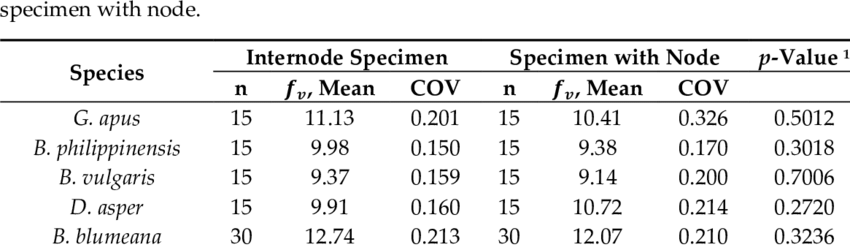
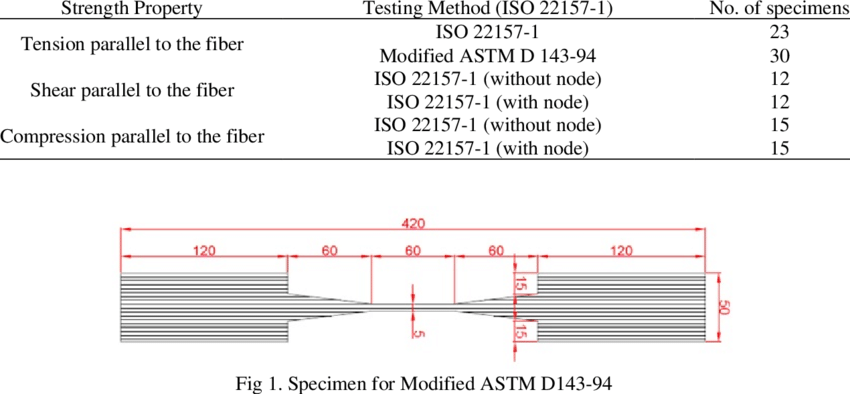
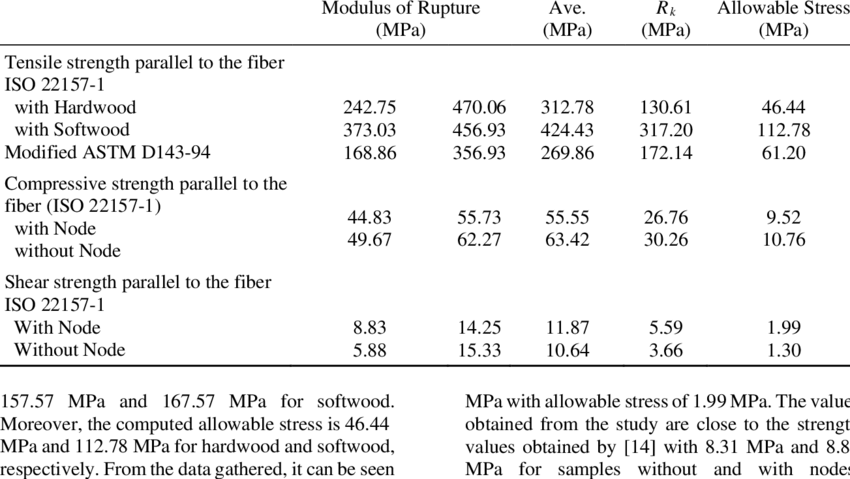
The supply of timber is becoming scarce in the Philippines. Dendrocalamus asper (or giant bamboo) is a candidate for safe, sustainable, and low-cost alternative housing to timber. However, its mechanical properties are yet to be established. In this paper, the compressive strength, shear strength, and tensile strength parallel to the fiber of Dendrocalamus asper are determined using ISO 22157 and ASTM D143 tests. For the latter, a slight modification of ASTM D143 was employed. The result yielded an improved tensile strength parallel to fiber. The tensile strength was also tested using a modified version of ASTM D143, wherein the length of the test piece was changed to ensure failure within the gauge length. Two hundred (200) samples of 2m-long Dendrocalamus asper (giant bamboo) poles were prepared and used for testing. Equipment was fabricated to the dimensions of the test sample. The obtained tensile strength parallel to fiber using the ISO 22157 method had an average strength of 312.78 MPa for specimens with attached hardwood tabs and 424.43 MPa for specimens with attached softwood tabs while with the Modified ASTM D143-94 method, the average strength was 269.86 MPa. The shear strength parallel to the fibers had an average strength of 10.64 MPa at the internode and 11.87 MPa at the node. Lastly, the compressive strength parallel to the fibers had an average strength of 63.42 MPa at the internode and 55.55 MPa at the node.

Figures

Assessment of testing protocols for bamboo for tension parallel to the fiber

Authors

Martin Aldrin De La Cruz, De La Salle University
Luis Felipe López, Base Bahay Foundation Inc.
Richard De Jesus, De La Salle University
Lessandro Estelito O. Garciano, De La Salle University

Abstract

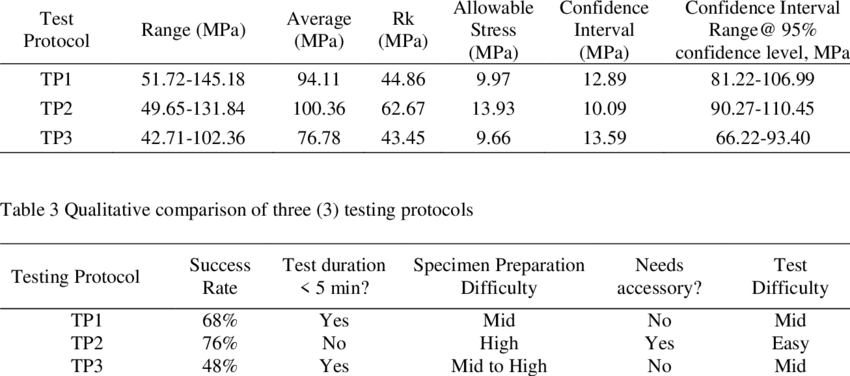
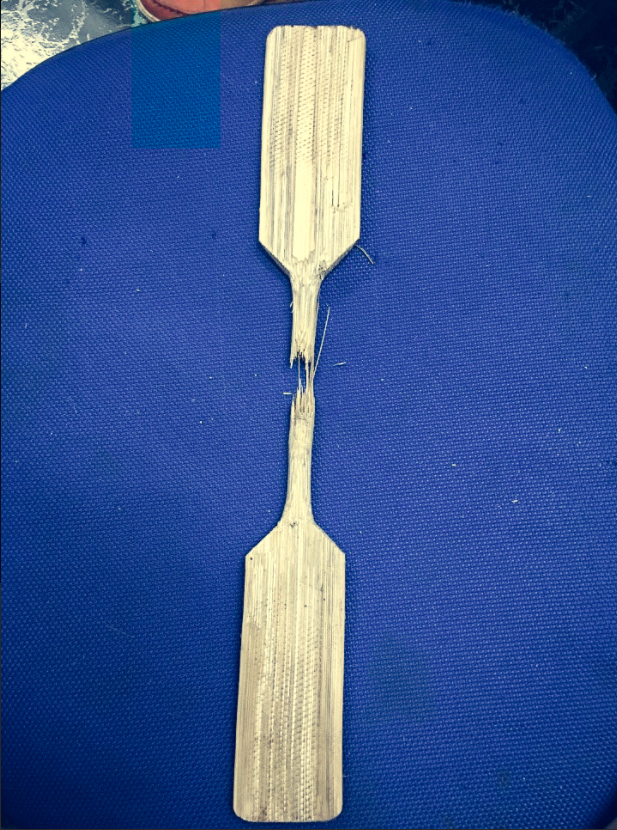
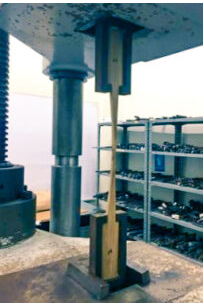
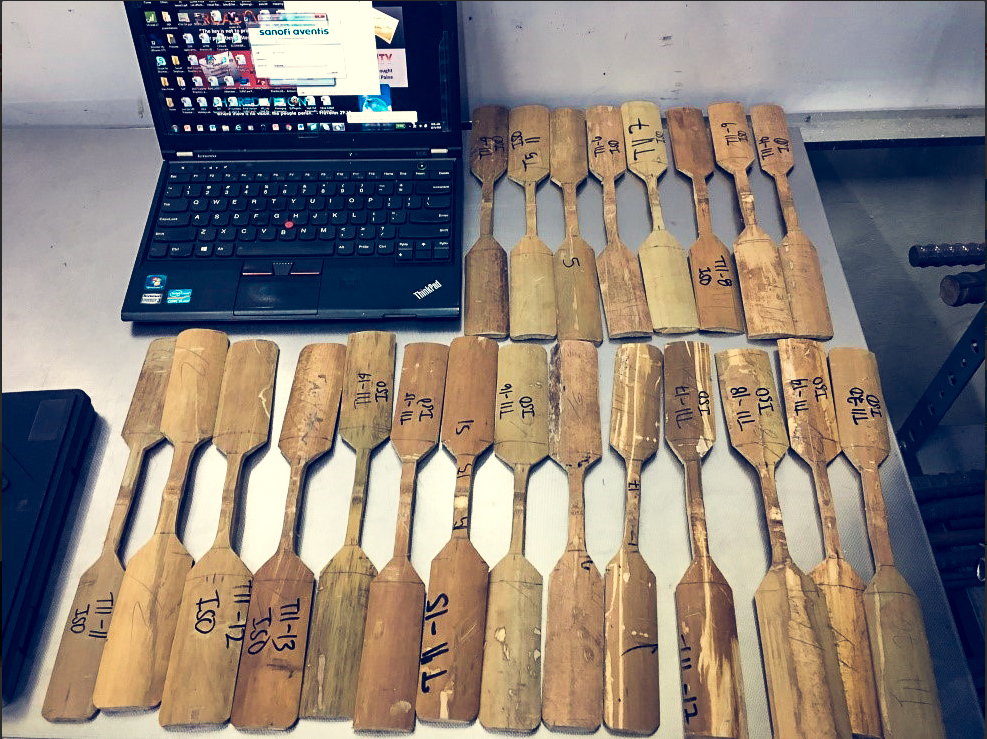
To determine tension parallel to fiber properties of Bamboo, one can employ ISO 22157. However, several studies highlighted some challenges in using the method such as premature failure of testing due to force at clamping and slipping failure at the grips. Hence, this study aimed to look for a solution to address these challenges. This study investigated, both qualitatively and quantitatively, three testing protocols in determining bamboo’s tensile strength parallel to fiber-(1) ISO 22157, (2) a modification of ASTM D143, and (3) Pittsburgh Method. The success rate, test duration, load rate and transmission, specimen preparation, equipment fabrication, and execution of the three protocols were compared. The physical properties of bamboos, such as moisture content, density, and shrinkage, were also measured in the study. The results of the study showed that the modified ASTM D143 test is the most viable method to use in testing the tensile strength parallel to fiber of bamboos. Modified ASTM D143 produced the highest tensile strength with value equal to 100.36 MPa, compared to specimens tested under ISO 22157 with tensile strength only reaching 94.11 MPa, while Pittsburgh Test produced the lowest tensile strength of 76.78 MPa. Modified ASTM D143 also yielded the lowest confidence interval which implied good consistency. Modified ASTM D143 is the recommended test protocol based on the results of this study as it gained the highest success rate during testing, lowest testing duration, and the easiest to execute.

Figures

Fire Resistance for Low-Rise Housing in the Tropics: Test Results for Bamboo-Based Construction Systems

Authors

Corinna Salzer
Holger Wallbaum, Chalmers University of Technology
Lily Tambunan, Bandung Institute of Technology

Abstract

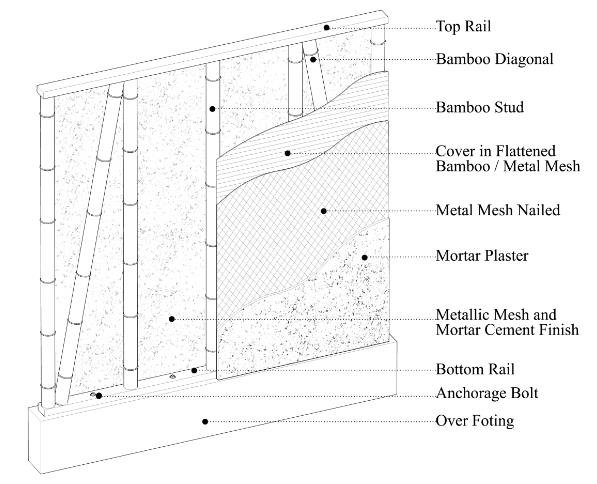
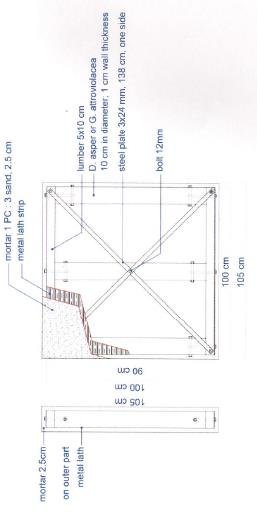
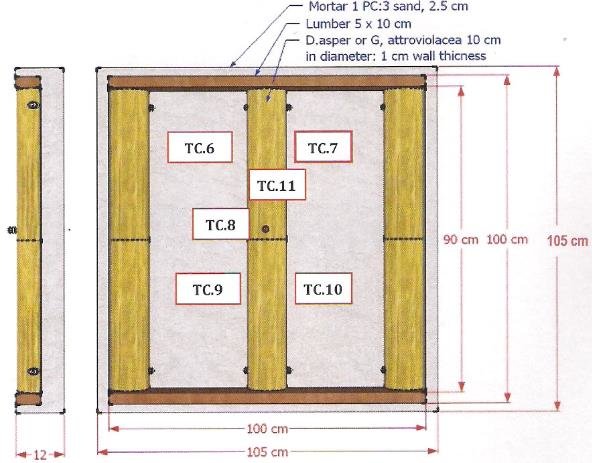
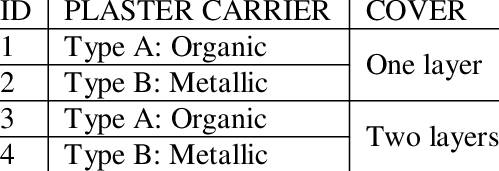
The use of round bamboo as load bearing member for low-rise housing is an interesting alternative construction method for tropical regions. Similar to timber engineering, predictable fire resistance is a requirement for its legal approval and application at scale. The research presents fire test results on selected bamboo-based construction systems developed in Asia-Pacific and Latin America. Tests were conducted in Indonesia according to the National Standard SNI 1741, which is referring to ISO 834-1 and JIS A 1304. Different bamboo wall cross-sections were tested in specimens of 1050mm by 1050mm and evaluated according to insulation, integrity, and mechanical resistance criteria. All specimens received a rating of 60 minutes resistance. The research provided a general understanding of the system response and highlighted critical variables of the wall system, which can be transformed into design recommendations.

Figures

Parametric Approach to Simplified Life Cycle Assessment of Social Housing Projects

Authors

Eleni Eleftheriou
Luis Felipe López, Base Bahay Foundation Inc.
Guillaume Habert, ETH Zurich
Edwin Zea Escamilla, ETH Zurich

Abstract

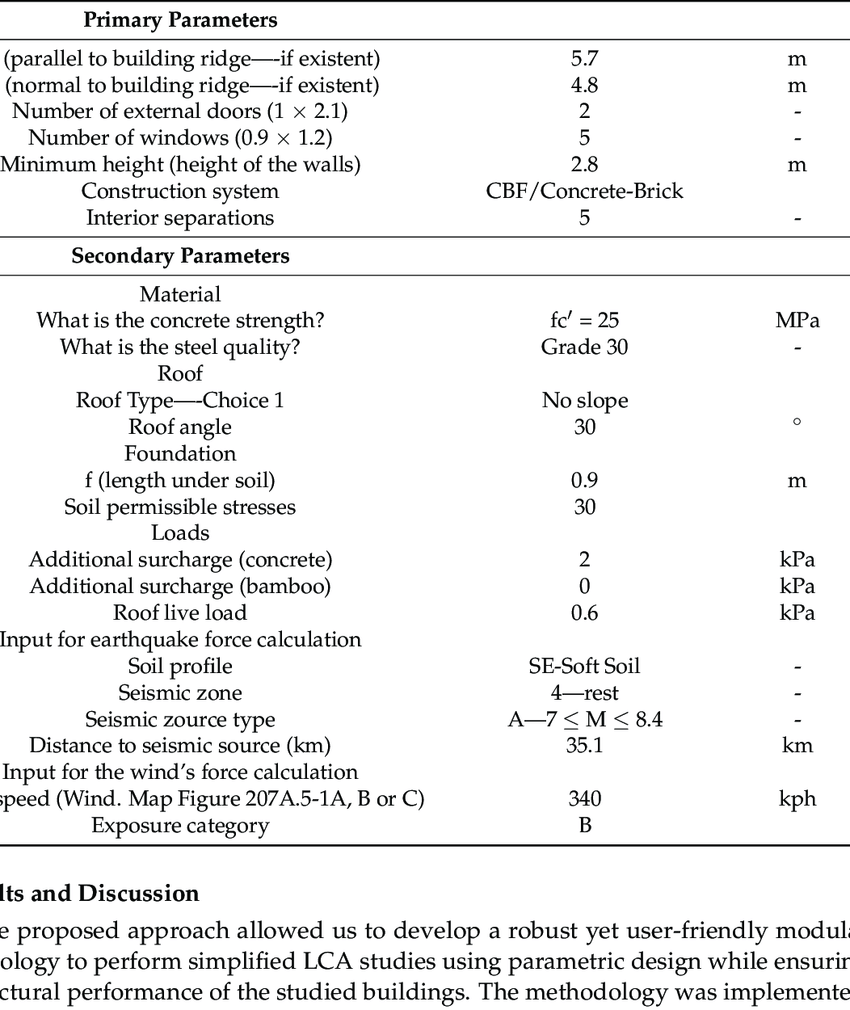
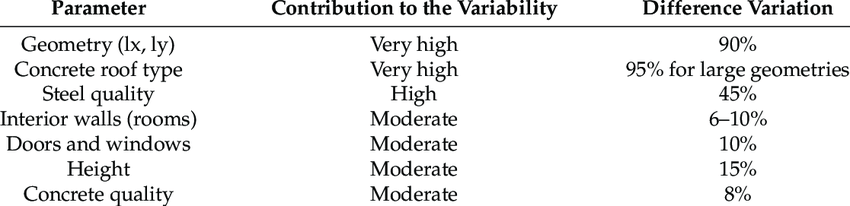
The provision of sustainable housing solutions is one of the main challenges in emerging economy countries. Furthermore, it is clear that a sustainable solution should be based on renewable bio-based materials. Scientific and practical evidence clearly suggests that the use of bamboo in the provision of housing solutions provides communities with both environmental and socioeconomic benefits via this strategy. One barrier to the promotion of this type of solution is the lack of knowledge of structural design and environmental performance. Moreover, access to assessment tools and methodologies is limited. The use of simplified Life Cycle Assessment (LCA) has exhibited great potential to increase accessibility, but the generation of life cycle inventory data remains a major issue. In this paper, we describe the development of a methodological approach to using parametric design to generate the data required to carry out simplified LCA of social housing solutions. Moreover, we present a case study assessing a housing unit using cement bamboo frame technology developed by the Base Bahay Foundation in the Philippines. The main parameters for the LCA of the buildings were identified through sensitivity analysis. Moreover, they show that parametric design is a valid approach to overcoming the challenges of data generation at the early stages of design. The proposed approach would enable users without civil and/or engineering backgrounds to carry out simplified LCA calculations. Thus, through methodological approaches, it is possible to reduce significantly the complexity associated with LCA and open new avenues for its application.

Figures

Investigation of an alternative testing protocol to determine the shear strength of bamboo parallel to the grain

Authors

Gabrielle Luisa De Guia Cantos
Luis Felipe López, Base Bahay Foundation Inc.
Richard De Jesus, De La Salle University
Corinna Salzer

Abstract

The common testing protocol to determine the shear strength of bamboo parallel to grain is ISO 22157. However, widely documented limitations of this test procedure calls for an alternative testing protocol. This study compared ISO 22157 (TP1) and 2 alternative testing protocols proposed by Base Bahay (TP2a and 2b) in determining shear strength of bamboo parallel to grain. The study used a local bamboo known as “kawayang tinik” (Bambusa blumeana). Results showed that TP1 produced more pure shear failures at 65% compared to TP2a and TP2b at 55% each. Shear strength values between the three methods were not significantly different, although, TP2b resulted in the lowest coefficient of variation at 18%. Also, TP2b was found to be the most effective in terms of specimen preparation, ease of assembly of testing equipment, and low variability in data.