Author: Base

Fire Resistance for Low-Rise Housing in the Tropics: Test Results for Bamboo-Based Construction Systems

Authors

Corinna Salzer
Holger Wallbaum, Chalmers University of Technology
Lily Tambunan, Bandung Institute of Technology

Abstract

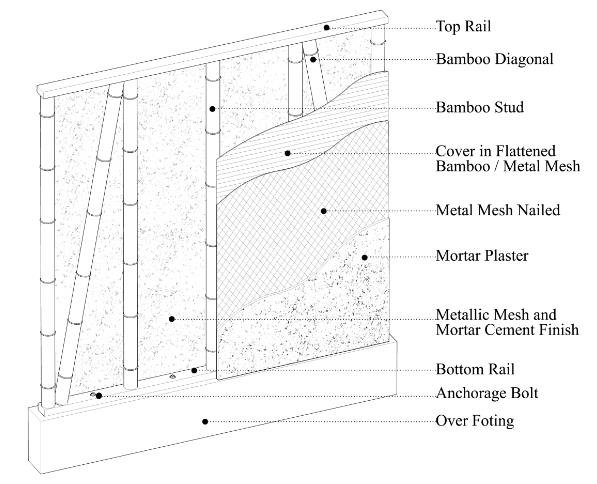
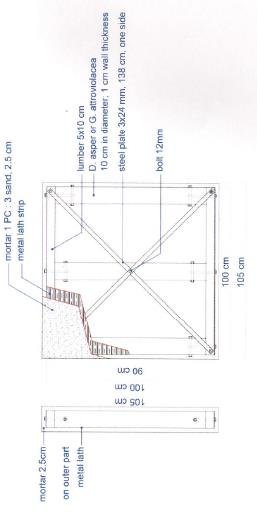
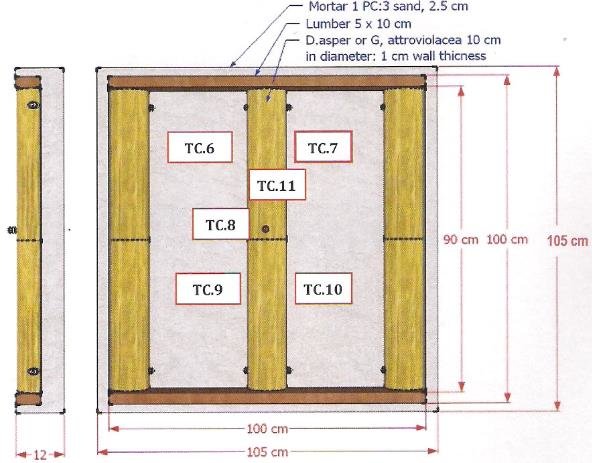
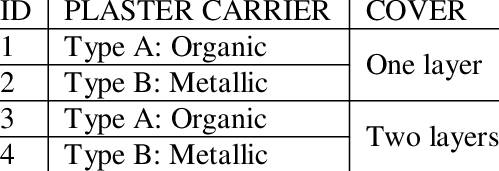
The use of round bamboo as load bearing member for low-rise housing is an interesting alternative construction method for tropical regions. Similar to timber engineering, predictable fire resistance is a requirement for its legal approval and application at scale. The research presents fire test results on selected bamboo-based construction systems developed in Asia-Pacific and Latin America. Tests were conducted in Indonesia according to the National Standard SNI 1741, which is referring to ISO 834-1 and JIS A 1304. Different bamboo wall cross-sections were tested in specimens of 1050mm by 1050mm and evaluated according to insulation, integrity, and mechanical resistance criteria. All specimens received a rating of 60 minutes resistance. The research provided a general understanding of the system response and highlighted critical variables of the wall system, which can be transformed into design recommendations.

Figures

Parametric Approach to Simplified Life Cycle Assessment of Social Housing Projects

Authors

Eleni Eleftheriou
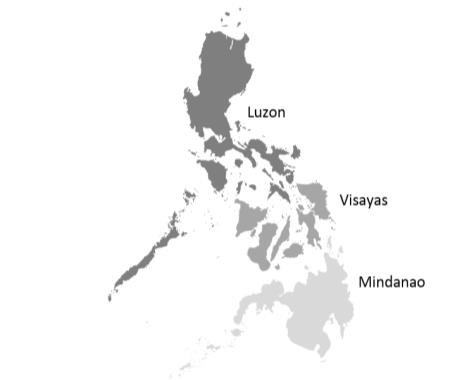
Luis Felipe López, Base Bahay Foundation Inc.
Guillaume Habert, ETH Zurich
Edwin Zea Escamilla, ETH Zurich

Abstract

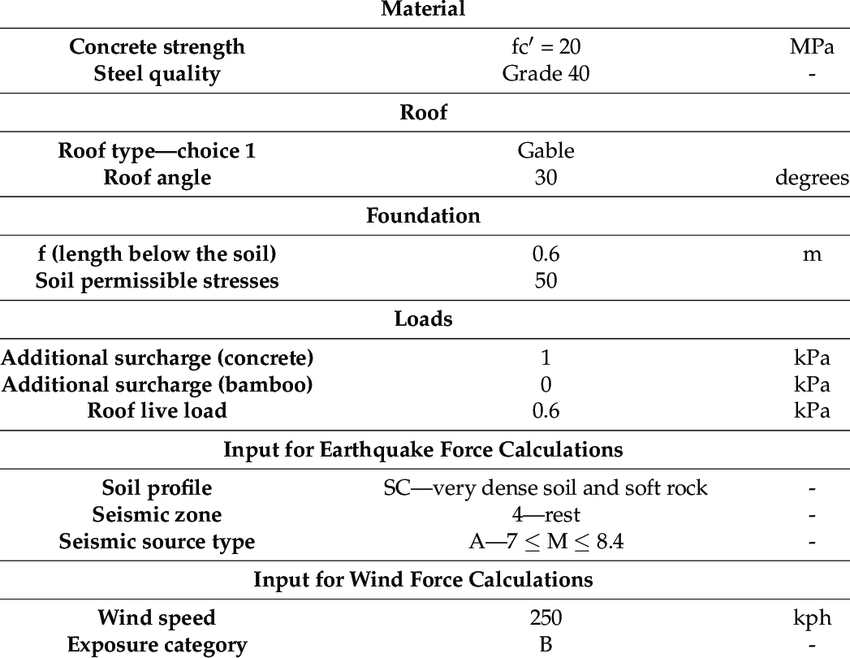
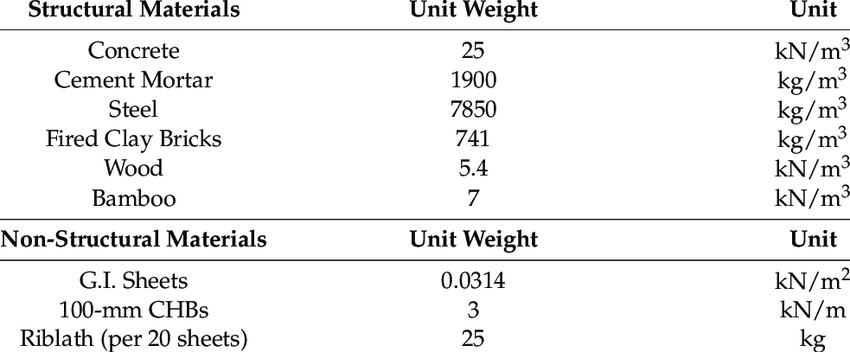
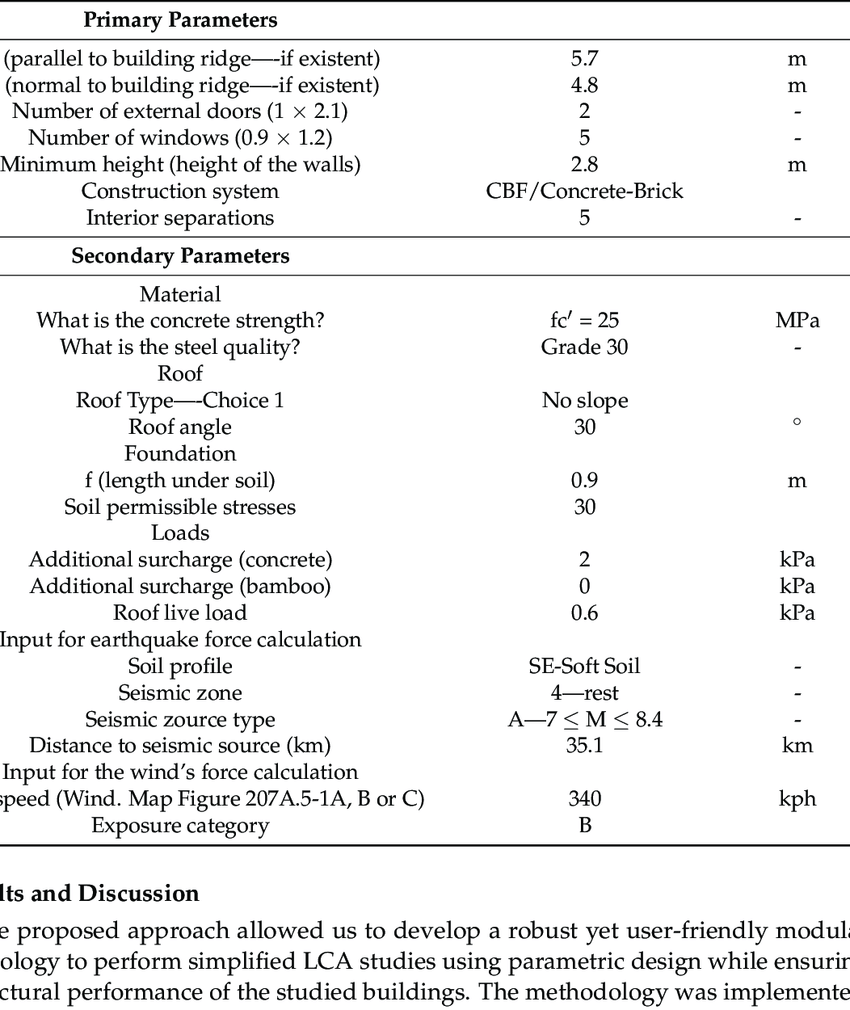
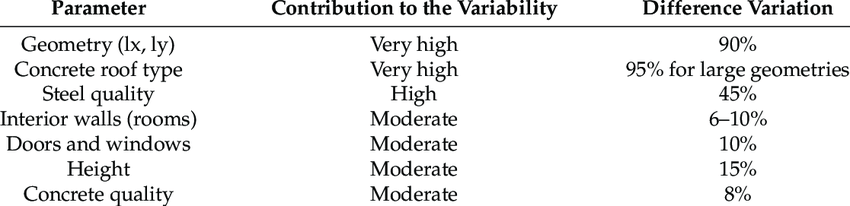
The provision of sustainable housing solutions is one of the main challenges in emerging economy countries. Furthermore, it is clear that a sustainable solution should be based on renewable bio-based materials. Scientific and practical evidence clearly suggests that the use of bamboo in the provision of housing solutions provides communities with both environmental and socioeconomic benefits via this strategy. One barrier to the promotion of this type of solution is the lack of knowledge of structural design and environmental performance. Moreover, access to assessment tools and methodologies is limited. The use of simplified Life Cycle Assessment (LCA) has exhibited great potential to increase accessibility, but the generation of life cycle inventory data remains a major issue. In this paper, we describe the development of a methodological approach to using parametric design to generate the data required to carry out simplified LCA of social housing solutions. Moreover, we present a case study assessing a housing unit using cement bamboo frame technology developed by the Base Bahay Foundation in the Philippines. The main parameters for the LCA of the buildings were identified through sensitivity analysis. Moreover, they show that parametric design is a valid approach to overcoming the challenges of data generation at the early stages of design. The proposed approach would enable users without civil and/or engineering backgrounds to carry out simplified LCA calculations. Thus, through methodological approaches, it is possible to reduce significantly the complexity associated with LCA and open new avenues for its application.

Figures

Investigation of an alternative testing protocol to determine the shear strength of bamboo parallel to the grain

Authors

Gabrielle Luisa De Guia Cantos
Luis Felipe López, Base Bahay Foundation Inc.
Richard De Jesus, De La Salle University
Corinna Salzer

Abstract

The common testing protocol to determine the shear strength of bamboo parallel to grain is ISO 22157. However, widely documented limitations of this test procedure calls for an alternative testing protocol. This study compared ISO 22157 (TP1) and 2 alternative testing protocols proposed by Base Bahay (TP2a and 2b) in determining shear strength of bamboo parallel to grain. The study used a local bamboo known as “kawayang tinik” (Bambusa blumeana). Results showed that TP1 produced more pure shear failures at 65% compared to TP2a and TP2b at 55% each. Shear strength values between the three methods were not significantly different, although, TP2b resulted in the lowest coefficient of variation at 18%. Also, TP2b was found to be the most effective in terms of specimen preparation, ease of assembly of testing equipment, and low variability in data.

Determining Material Suitability for Low-Rise Housing in the Philippines: Physical and Mechanical Properties of the Bamboo Species Bambusa Blumeana

Authors

C. Salzer
Holger Wallbaum, Chalmers University of Technology
Marina Alipon
Luis Felipe López, Base Bahay Foundation Inc.

Abstract

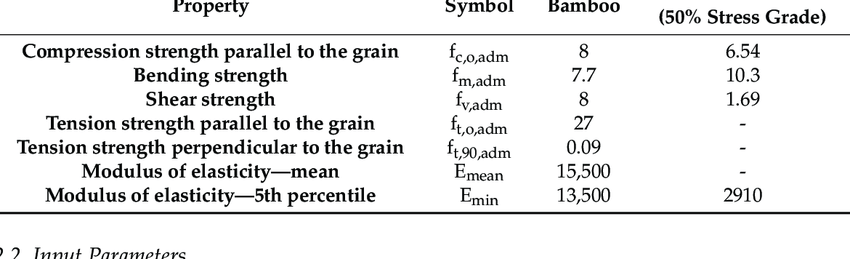
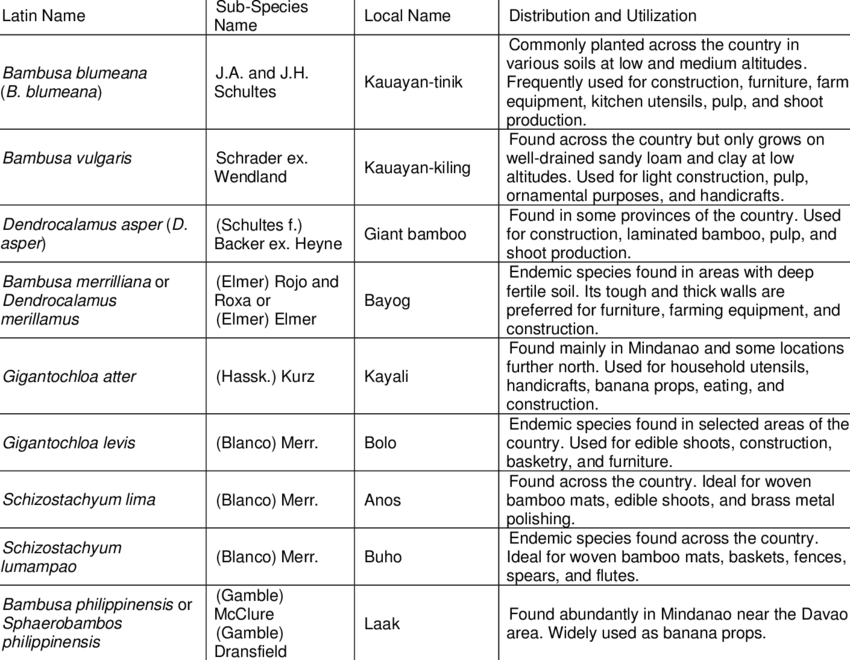
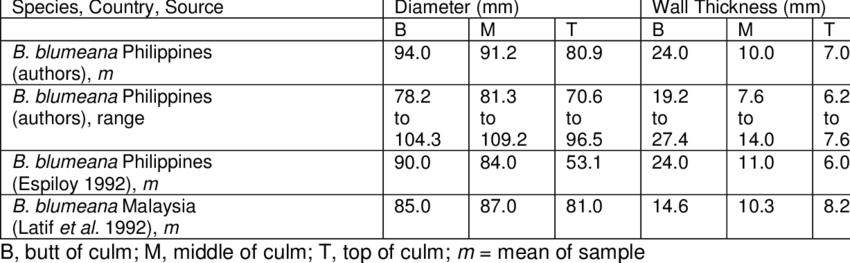
The use of cellulosic materials in the construction of low-rise housing in tropical climates has great potential. Bambusa blumeana (B. blumeana, J.A. and J.H. Schultes), the most abundantly available bamboo species in the Philippines, is a promising alternative material for the construction of cost-efficient buildings. However, to comply with municipal rules and regulations for construction, a comprehensive understanding of the organic raw material is needed to permit its application as a load-bearing structural member. In this study, the physical and mechanical properties of B. blumeana bamboo from a typical growth region of the Philippines were tested according to ISO 22157-1 (2004) and ISO 22157-2 (2004). The characteristic strength values of B. blumeana were as follows: compressive and tensile strengths parallel to the grain of 20 and 95 MPa, respectively; shear strength of 5 MPa, bending strength of 34.6 MPa, and the mean and fifth percentile modulus of elasticity of 13100 and 8600 MPa, respectively. Based on these results, a recommendation for permissible stresses for structural design was made in line with ISO 22156 (2004).

Figures

Environmental Performance of Social Housing in Emerging Economies: Life Cycle Assessment of Conventional and Alternative Construction Methods in the Philippines

Authors

Corinna Salzer
Holger Wallbaum, Chalmers University of Technology
York Ostermeyer, Chalmers University of Technology
Jun Kono, Deloitte Tohmatsu Consulting

Abstract

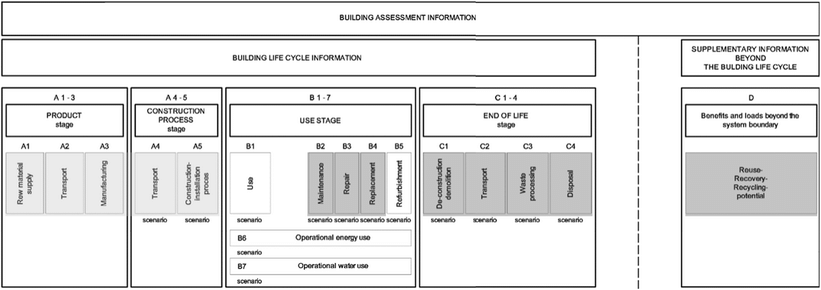
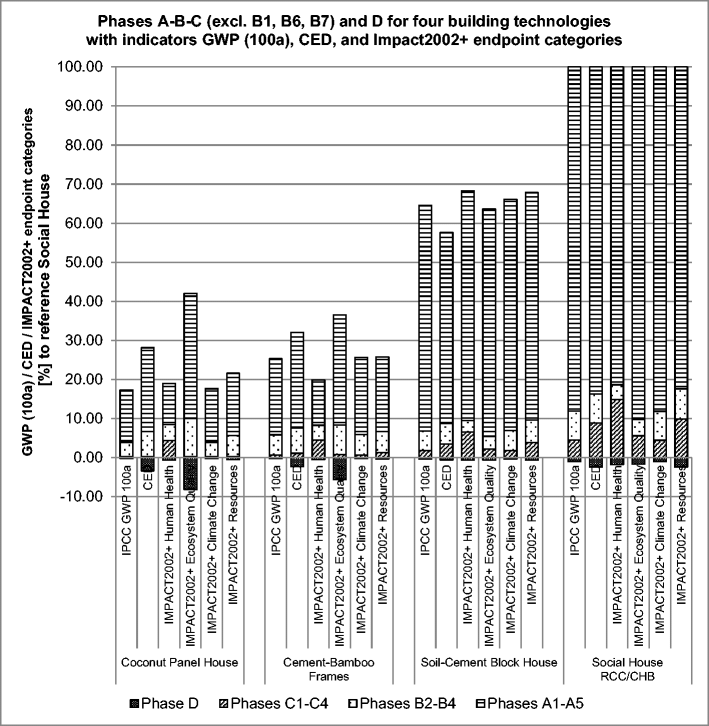
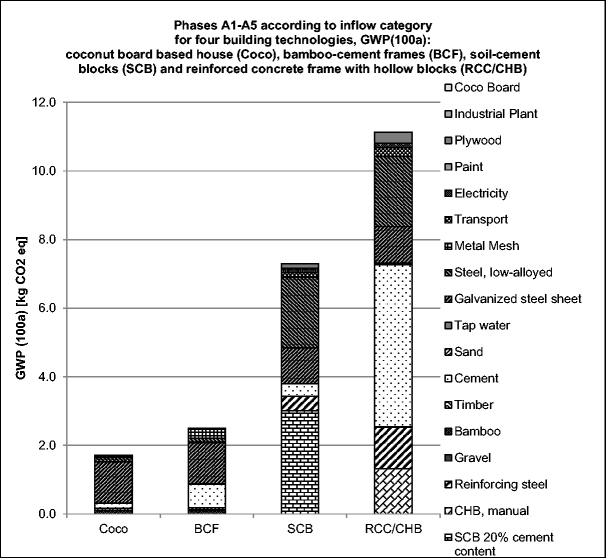
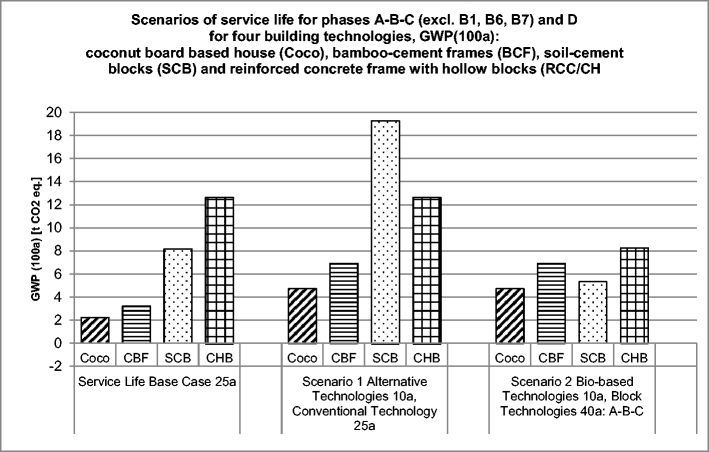
Purpose The environmental impact of the social building stock is relevant, particularly in emerging economies. Life cycle thinking is not yet established, however. Locally available, alternative building concepts could potentially reduce the environmental impact of the construction segment. This paper examines the environmental performance of “as-built” low-cost housing for example in the Philippines, and the potential to reduce its environmental impact through the use of three alternative building technologies: cement–bamboo frames, soil–cement blocks, and coconut board-based housing. Methods Life cycle assessment models are implemented and evaluated with software SimaPro, using the single-impact indicators global warming potential (GWP) and cumulative energy demand (CED) and the multi-impact indicator Impact2002+. According to EN 15978, the life cycle phase product and construction process (A), use stage (B), end-of-life (C), and supplementary information beyond the building life cycle (D) have been assessed. Theoretically calculated inflows from standard construction procedures used in phase A have been verified with 3 years of empirical data from implemented construction projects. For phases B, C, and D, attention was given to service life, use-phase, allocation of waste products, biogenic carbon, and land-use assumptions. Scenarios reflect the actual situation in the emerging economy. Processes, such as heat recovery from thermal utilization, which are not existing nor near to implementation, were excluded. Results and discussion For an assessment of the phases A–B–C–D with GWP, a 35% reduction of environmental impact for soil–cement blocks, 74% for cement–bamboo frames, and 83% for coconut board-based houses are obtained relative to a concrete reference house. In absolute terms, this relates to a reduction of 4.4, 9.3, and 10.3 t CO2 equivalents over a service life of 25 years. CED showed higher impacts for the biogenic construction methods coconut board and cement–bamboo frames of +8.0 and +4.7%, while the soil–cement technology was evaluated −7.1% compared to GWP. Sixteen of 17 midpoint categories of Impact2002+ confirmed an overall reduction potential of the alternative building methods, with the midpoint category land occupation being the exception rating the conventional practice over the alternatives. Conclusions It is concluded that alternative construction technologies have substantial potential to reduce the environmental burden caused by the social housing sector. The service life of the alternative technologies plays a vital role in it. LCA for emerging economies needs to incorporate realistic scenarios applicable to their current state or belonging to the most probable alternatives to ensure valuable results. Recommendations for further research are provided.

Figures

Bamboo Material Characterisation

Authors

David J A Trujillo, Coventry University
Luis Felipe López, Base Bahay Foundation Inc.

Abstract

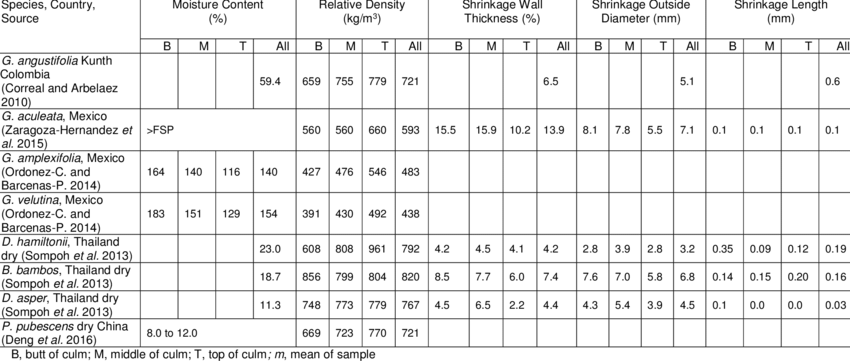
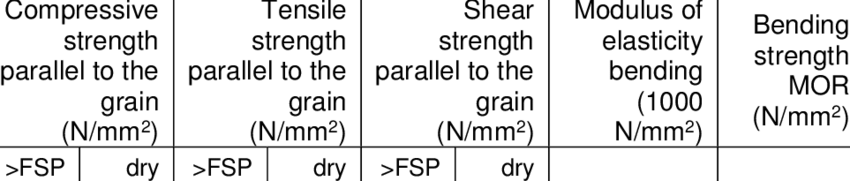
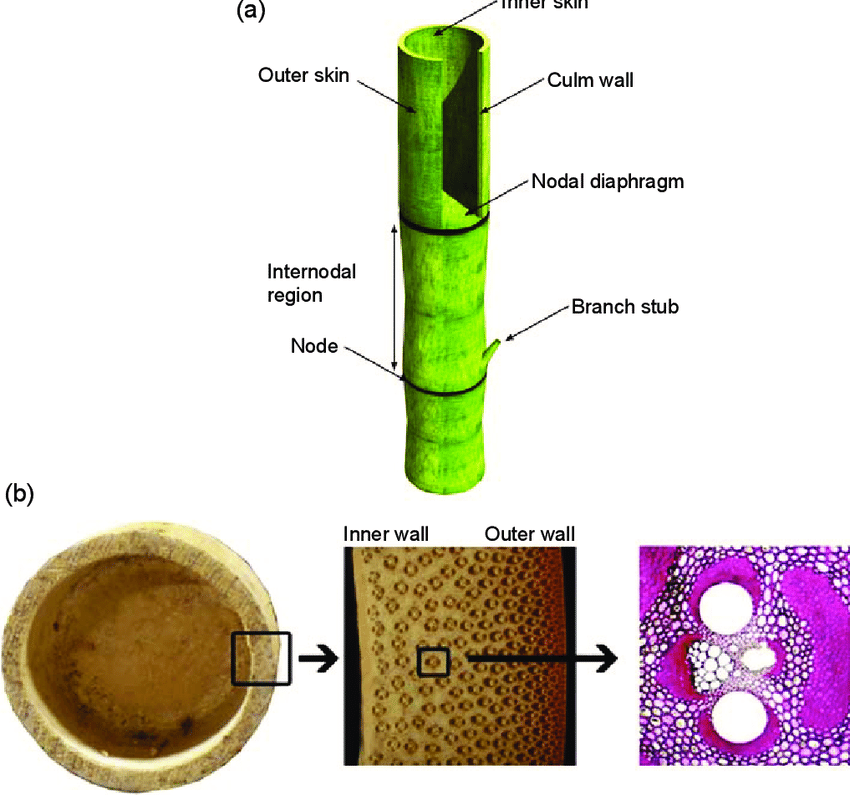
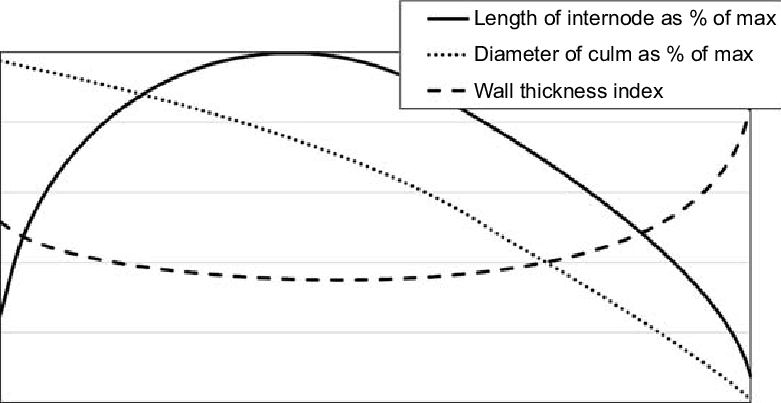
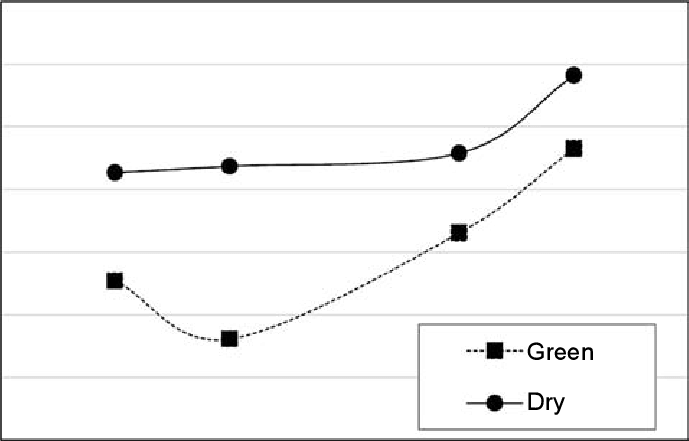
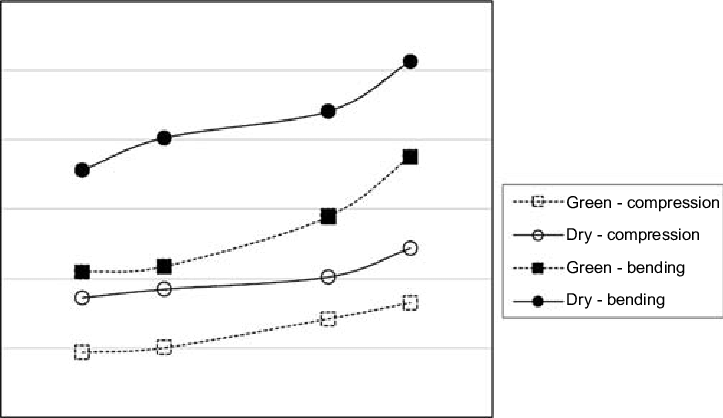
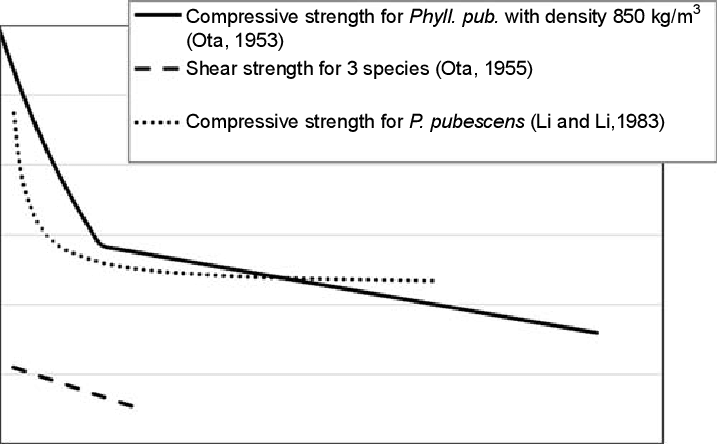
This chapter serves to summarise the state of the art in the process of material characterisation of bamboo for structural purposes. It also seeks to outline the key characteristics a bamboo researcher or engineer would need to identify for this purpose. The morphological and anatomical characteristics of the bamboo culm are briefly presented. Trends observed by researchers in terms of the effects of density, age, and moisture content on strength and stiffness are presented, as well as the variation of these along the bamboo culm. The importance of considering geometrical in characterisation, as well as physical and mechanical properties, are discussed. Testing procedures and standards are presented to the reader and critically appraised. Published values for Guadua Angustifolia are reported for reference. A process of deriving design values from experimentally derived values is discussed. Suggestions for further research are presented.
Figures