Tag: Sustainable Housing

Bamboo: A Reliable Construction Material for a Sustainable Future

As the world grapples with environmental issues such as climate change and deforestation, it has become increasingly important to look for alternative building technologies that can reduce the negative impact of the construction industry on the environment. One that would make such a good alternative building material is bamboo.

Often thought as a secondary and decorative building material, bamboo has a lot more to offer. It possesses remarkable properties, which have made it an ideal construction material for a wide range of applications – from flooring to scaffolding, furniture to housing. This very same set of properties is also what gives bamboo a high potential to revolutionize the construction industry, particularly in terms of sustainability. Read further to know how bamboo makes a good sustainable construction material below.

Highly renewable resource

Bamboo is a highly renewable resource that grows much faster than trees, making it an eco-friendly and sustainable option for construction. Bamboo can grow up to 91 cm (3 feet) per day such as Bambusa blumeana and Dentrocalamus asper, which means that it can be harvested and replanted relatively quickly, unlike traditional building materials like wood, which can take decades or even centuries to grow to maturity.

Strength and durability

Bamboo is a naturally strong and durable material that can withstand heavy loads and extreme weather conditions. Bamboo’s high strength-to-weight ratio makes it an ideal material for building structures that need to be sturdy and long-lasting.

Pest and Decay resistance if properly treated

Bamboo is a material that has been used for centuries in construction. However, untreated bamboo can be vulnerable to decay and pest infestations, which can shorten its lifespan and compromise its structural integrity. Proper treatment can help bamboo resist decay and pests. The treatment process can help ensure that bamboo is a durable and long-lasting material that can be used in construction. 

Low carbon footprint

Bamboo has the potential to sequester carbon through its fast growth and ability to store carbon dioxide through photosynthesis. Studies have shown that the carbon stored in bamboo poles is 51 to 54 percent of the bamboo pole biomass density, and bamboo products such as houses, furniture, boards, or engineered bamboo are durable and can last up to 25 to 50 years, sometimes even 100 years, making them a carbon pool or carbon reservoir. When compared to other building materials, such as cement, steel, or PVC, bamboo can have a lower carbon footprint, especially when used to replace emission-intensive materials in construction.

Versatile

Bamboo is a versatile material that can be used in a wide range of applications, from small-scale furniture to large-scale buildings. This versatility makes it a practical and sustainable choice for construction projects of all sizes.

Indeed, bamboo offers a futuristic approach to the construction industry by paving the way for a more sustainable and eco-friendly building technology. Learn more about bamboo as a building material with Base.

Base Bahay Foundation, Inc (BASE) is the pioneer of Cement-Bamboo Framework  in the Philippines. BASE builds affordable and disaster-resilient structures using bamboo-based technology. Through continuous research in the Base Innovation Center (BIC), BASE is optimizing the technology and looking for new applications outside its standard model. BASE also offers training courses under its Bamboo Academy program to share the alternative building technologies and provide further knowledge on bamboo construction. Learn more about BASE projects and initiatives!

Sustainable Housing: A Key to Reducing Your Carbon Footprint

With temperatures getting high, droughts becoming longer, and tropical storms becoming more severe, it’s no secret that we are facing a climate crisis. According to the Asian Development Bank, Asia is responsible for 50% of the world’s total greenhouse gas (GHG) emissions, causing this worldwide crisis. 

The real estate industry, specifically residential buildings, is one of the leading contributors of GHG in the continent. Although industrial construction and development firms are now adopting eco-friendly practices, homeowners and prospective buyers must do their part as well and explore practical ways to reduce carbon emission, GHG’s main component. This involves identifying ecologically sound and sustainable housing options.

Sustainable housing options

In present times, sustainable housing options are more accessible and transformative. As responsible homeowners and prospective buyers below are ways you can practice sustainability in your own way.

  • If you are planning to build your house, opt to use sustainable construction materials like bamboo. Aside from being ecological, it is an affordable yet quality option. 
  • Location wise, choose an area that is near to your workplace and local amenities to help reduce carbon emission caused by frequent traveling with vehicles.
  • Consider installing solar panels. This helps in reducing your household’s emissions by generating electricity from renewable sources. Also, it is proven to be cost-effective in the long run. 
  • Replace outdated appliances with energy-star certified ones that consume less electricity. Additionally, you can switch to more energy-efficient lighting by replacing bulbs into LED products.
  • Turn off and disconnect electronic devices when not in use or opt for electronics that consume minimal energy.
  • Reduce the usage of HVAC systems. Consider adding more windows or ceiling fans instead.
  • Create a crop garden in your backyard. This reduces dependence on grocery stores and other retailers that contribute to carbon emissions through production and transportation. 

By making sustainable decisions in our own homes, we can all participate in reducing the negative environmental impact of housing on the environment. Achieving a sustainable world may seem daunting, but it can be accomplished one house at a time. Learn more about sustainable housing with Base.

Base Bahay Foundation, Inc (BASE) is the pioneer of Cement-Bamboo Framework  in the Philippines initiated by the Hilti Foundation. BASE builds affordable and disaster-resilient structures using bamboo-based technology. Through continuous research in the Base Innovation Center (BIC), BASE is optimizing the technology and looking for new applications outside its standard model. BASE also offers training courses under its Bamboo Academy program to share the alternative building technologies and provide further knowledge on bamboo construction. Visit their website and learn more about BASE technology and sustainable construction.

Construction Methods and the Environmental Benefits of Sustainable Building Practices

When building your dream house, you naturally want the best materials available. Historically, earth bricks, wood, and concrete have been the go-to options for construction. However, the continued use of these materials have caused higher negative environmental impact. According to Forbes, the real estate sector is responsible for nearly 40% of global carbon dioxide emissions while building operations contribute roughly 70% of these emissions, and construction activities account for 30%.

Many people have turned to sustainable construction methods and materials to address these concerns. This approach prioritizes using green building materials and sustainable construction methods that aim to reduce carbon emission while promoting environmentally friendly practices. Here are some of the sustainable construction methods to achieve this goal and their environmental benefits:

Design for sustainability

The first step in encouraging sustainable building is to design with sustainability in mind. Addressing the environmental effect of a building prior to construction, designers may minimize the carbon emissions of the structure while optimizing its energy efficiency and sustainability. Sustainable design approaches may significantly decrease the energy required, materials consumed, and waste produced.

Use sustainable building materials

Bamboo is widely acknowledged as a sustainable and renewable building material, making it an ideal choice for sustainable construction. In a study conducted, bamboo has an embodied energy which is very low when compared to other construction materials like concrete, steel, and plastic. Bamboo also helps in controlling erosion and flooding as well as controlling the local climates through photosynthesis. In addition, bamboo is a good option for people searching on eco-friendly building materials due to its sustainable harvesting methods and positive environmental impact.

Reduce waste

Construction is widely known for generating a significant amount of wastes. One effective way of reducing waste is by using precise measurements in material cutting and production and improving waste management through recycling. Integrating alternative building technologies with effective waste management systems is critical to achieving sustainable construction and reducing wastage. Partnering with organizations like BASE, that developed the Cement-Bamboo Frame Technology (CBFT), will provide access to new innovations and waste mitigation initiatives.

Implement sustainable practices

Contractors have the opportunity to promote environmental stewardship by adopting sustainable practices. One way to conserve natural resources is to encourage workers to practice eco-friendly habits such as recycling and composting. We can also reduce the building’s environmental effects through water conservation methods, such as utilizing low-flow water fixtures and collecting and recycling rainwater. These sustainable approaches support ecological preservation and show commitment to responsible construction practices.

Sustainable future starts with sustainable construction. Using eco-friendly materials and sustainable construction practices can drastically reduce negative environmental impacts. Base is committed to helping organizations, government agencies, and private institutions accomplish this objective by providing sustainable housing solutions.

Base Bahay Foundation, Inc (BASE) is the pioneer of Cement-Bamboo Framework  in the Philippines. BASE builds affordable and disaster-resilient structures using bamboo-based technology. Through continuous research in the Base Innovation Center (BIC), BASE is optimizing the technology and looking for new applications outside its standard model. BASE also offers training courses under its Bamboo Academy program to share the alternative building technologies and provide further knowledge on bamboo construction. Learn more about BASE initiatives and join the movement in building a better tomorrow.

Bamboo as a Construction Material in Earthquake-Prone Areas

Bamboo is a natural material used for construction in many countries, especially in Asia, where it is mostly abundant. It is a sustainable construction material that has less carbon footprint. It proliferates and can be harvested without destroying the plant, making it an excellent choice for environmentally conscious construction. 

However, the question arises about whether bamboo is a safe building material during earthquakes and other natural calamities. Severe shaking caused by earthquakes can cause the collapse of buildings made of various materials. Therefore, assessing whether bamboo can withstand significant shaking without compromising a building’s structural integrity is essential. In this article, we will explore the properties of bamboo and its advantages as a construction material in regions prone to seismic activity.

Bamboo’s Strength

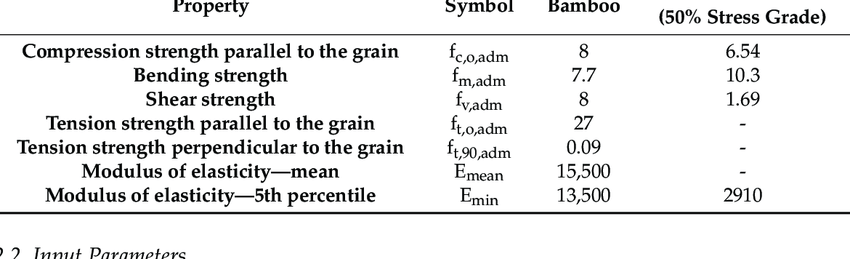
Bamboo when mature, can exhibit strong mechanical properties in compression and tension, making it a durable and resilient material capable of enduring high loads and pressure. According to a study, Bamboo is known for its ability to resist tension more than compression due to its highly elastic fibers, which have a high tensile strength. Bamboo fiber’s tensile strength is higher than steel, with axial parallel fibers having a tensile strength of up to 400 N/mm2. This makes bamboo fiber superior to solid wood fibers, which can only resist tension up to 50 N/mm2. With proper construction methods and by applying the correct treatment process, bamboo should continue to be considered a viable option for sustainable construction in earthquake-prone areas where buildings must withstand strong ground motions.

Bamboo’s Flexibility

One of the main advantages of using bamboo as a sustainable construction material is its flexibility. A study shows that the results of the flexural bending test indicate that bamboo can revert to its original form after the load is removed. This makes it a suitable material for structural construction and can help prevent damage to buildings during natural disasters such as earthquakes and hurricanes. The resilience of bamboo was also demonstrated during the 7.8 magnitude earthquake that struck Ecuador on April 16, 2015. In an article published by the International Bamboo and Rattan Organization, approximately 7,000 buildings, including many concrete homes and schools were destroyed in the earthquake. However, many structures made of bamboo withstood the earthquake and remained standing. Bamboo’s flexibility and resilience can help reduce the impact of seismic activity on buildings, making it a sustainable and cost-effective solution for building structures.

Bamboo’s Durability

Bamboo is a durable alternative construction material. In a comparative analysis conducted, the strength-to-weight ratio of bamboo is greater than that of numerous conventional building materials, such as steel and concrete. This characteristic of bamboo makes it an ideal choice for construction that requires a lightweight material with exceptional strength.

Bamboo’s Potential as a Safe Construction Material in Earthquakes

Based on the above properties, bamboo shows a great potential as a safe and sustainable construction material in earthquake-prone areas. However, people must consider the proper selection of bamboo species, the quality of the bamboo, and appropriate construction techniques to ensure the safety and durability of the structure on seismic events. It is crucial to work with experts in bamboo construction and earthquake-resistant building design to ensure the safety and longevity of the structure.

Collaborating with organizations like Base, who deeply understand bamboo-based and alternative building technologies can help ensure that a structure is designed and constructed with resistance to natural disasters. By prioritizing safety and durability, it is possible to build sustainable housing that can withstand the test of time.

Base Bahay Foundation, Inc (BASE) is the pioneer of Cement-Bamboo Framework in the Philippines. BASE builds affordable and disaster-resilient structures using bamboo-based technology. Through continuous research in the Base Innovation Center (BIC), BASE is optimizing the technology and looking for new applications outside its standard model. BASE also offers training courses under its Bamboo Academy program to share the alternative building technologies and provide further knowledge on bamboo construction. Learn more about BASE projects and initiatives!

What Makes Bamboo a Good Alternative Construction Material?

Bamboo has been rising in popularity as a sustainable construction material due to its versatility. Compared to other materials such as concrete, steel and timber, bamboo is an organic material that can be easily cultivated and harvested in a short time and can be immediately utilized. 

The tensile strength of a bamboo fiber is even two to three times stronger than that of steel. This is one of the many reasons why the design and construction sector around the world find bamboo as a great construction alternative. It is not only affordable but also sustainable. Learn more on why bamboo is a great building material:

Strength and Durability

Bamboo has a high tensile and compressive strength and can withstand heavy loads and extreme weather conditions. It has a higher strength to weight ratio than other conventional materials. An average Bambusa Blumeana can resist 10-15 tons of compression. If properly used and treated, it is also resistant to pests, rot, and decay, making it a durable and long-lasting material. 

Cost-effectiveness

Bamboo is considered a cost-effective material due to its fast growth rate, low maintenance requirements, and versatility in product applications. The production costs of bamboo products can be lower than for products made from other materials because bamboo requires minimal inputs and can be processed using simple techniques. Because bamboo is lightweight and grows in many regions around the world, transportation costs for bamboo products can be lower. Bamboo’s versatility in product applications can also increase its economic value, making it a cost-effective and sustainable alternative to traditional building materials and other products.

Eco-friendly material

Bamboo is a renewable resource that grows quickly and can be harvested without causing damage to the environment. Bamboo has a unique ability to absorb and store carbon dioxide from the atmosphere, making it an effective tool in mitigating climate change. Based on studies, bamboo can sequester up to 35% more carbon than other types of trees and plants. It is a sustainable alternative to traditional building materials like concrete and wood that has a lower carbon footprint and is more energy-efficient than these materials.

It requires no maintenance

Bamboo requires little to no maintenance because it has a rapid growth rate, is drought-tolerant, has natural defenses against pests and diseases when growing, and is able to self-regenerate after harvest. These characteristics make bamboo a low-maintenance crop that can provide a sustainable source of materials and income for communities.

High demand is no problem

One of the benefits of bamboo is that it can be easily restocked. Bamboo is also the fastest-growing plant on earth. Bamboo species like Dentrocalamus Asper, Guadua, and Bambusa Blumeana grow 20 cm, 15 cm, and 17 cm per day respectively.

Compared to hardwood trees which can take 30 to 50 years to reach a harvestable age, most bamboo only take about three or four years to reach full maturity. This means that there is an abundant supply of bamboo to sustain the needs of the construction industry.

Aesthetics

Bamboo has a unique and attractive appearance that can enhance the visual appeal of a building. It can be used in various ways, such as structural elements, flooring, wall cladding, and roofing. When used in construction, bamboo can create a warm and natural look that complements many architectural styles.

The Future of Bamboo as a Building Material

Due to its affordability and sustainable components, bamboo is definitely a great alternative for contemporary construction. Due to its environmental features, coupled with the integration of advanced technologies and prefabrication techniques, bamboo is poised for a promising future.

Base Bahay Foundation, Inc (BASE) is the pioneer of Cement-Bamboo Framework in the Philippines. BASE builds affordable and disaster-resilient structures using bamboo-based technology. Through continuous research in the Base Innovation Center (BIC), BASE is optimizing the technology and looking for new applications outside its standard model. BASE also offers training courses under its Bamboo Academy program to share the alternative building technologies and provide further knowledge on bamboo construction. Learn more about BASE projects and initiatives!

Parametric Approach to Simplified Life Cycle Assessment of Bamboo Frame Buildings

Authors

Eleni Eleftheriou, ETH Zurich
Edwin Zea Escamilla, ETH Zurich
Guillaume Habert, ETH Zurich
Luis Felipe López, Base Bahay Foundation Inc.

Abstract

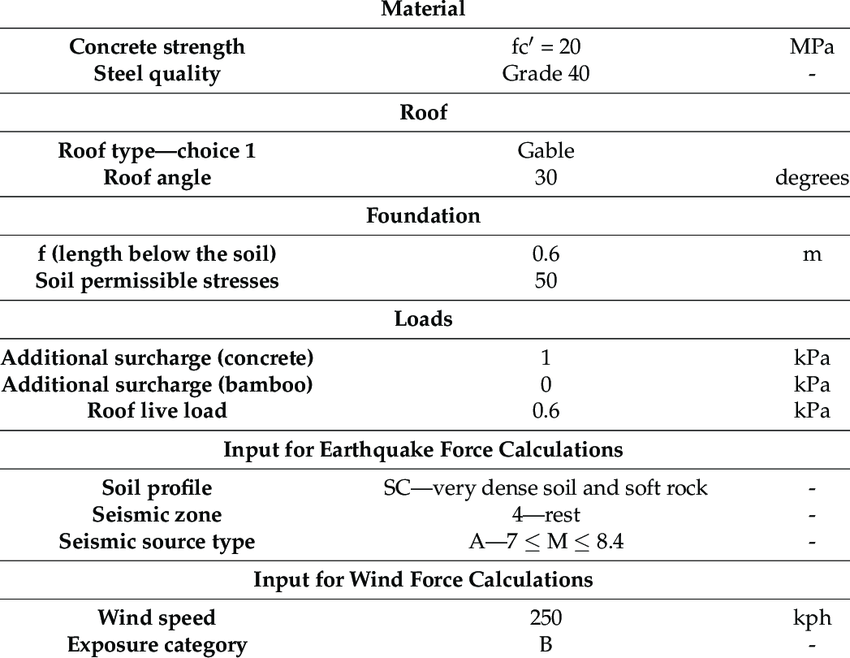
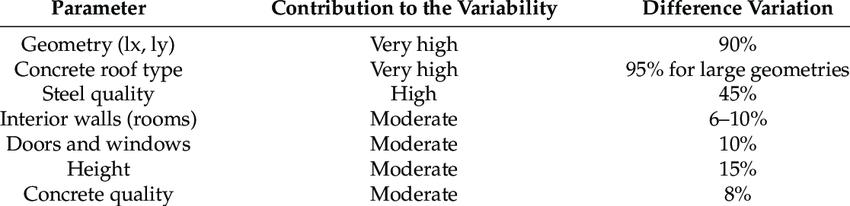
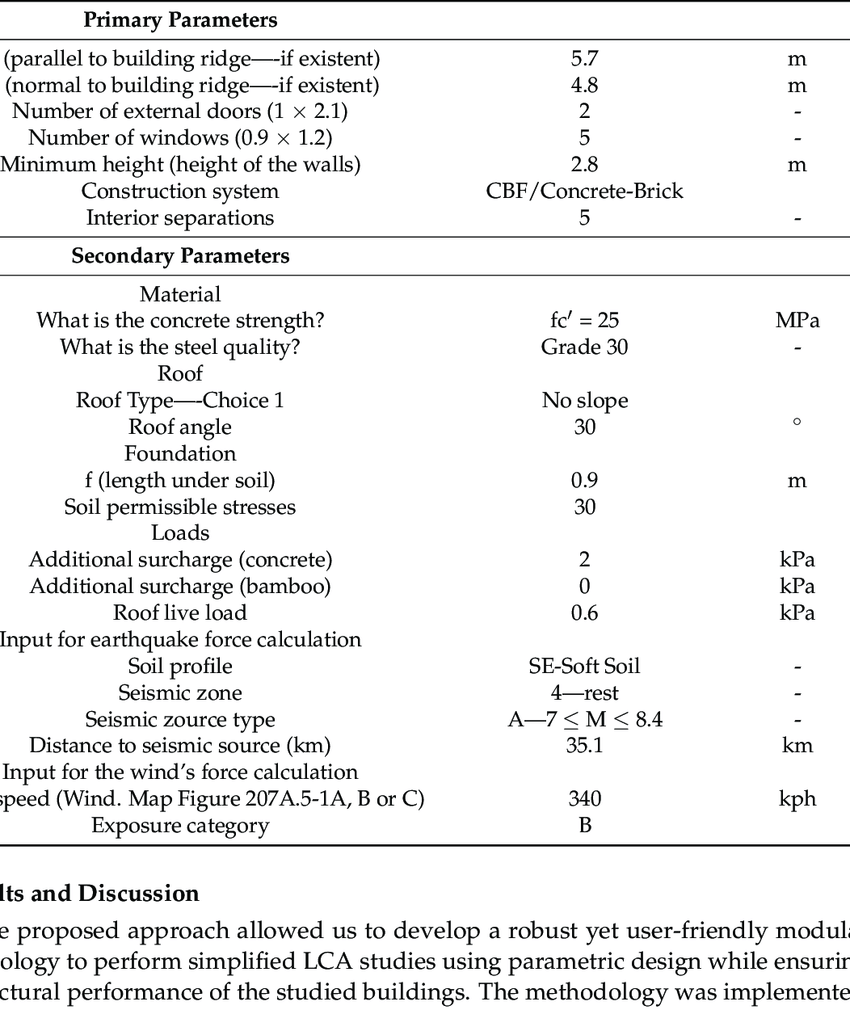
The provision of sustainable housing solutions is one of the main challenges in emerging economy countries. Furthermore, it is clear that a sustainable solution should be based on renewable bio-based materials. The scientific and practical evidence clearly suggests that the use of bamboo in the provision of housing solutions not only brings environmental but also socio-economic benefits to the communities using these strategies. One barrier to the promotion of this type of solution is the lack of knowledge of its structural design and environmental performance. Moreover, the access to assessment tools and methodologies to carry out such assessments is limited. Life Cycle Assessment (LCA) is widely recognized as the most appropriate method to calculate environmental impacts through a product’s life cycle. LCA is methodologically described on the ISO series 14040 and proposes an input-output relationship between the environment and human activity. LCA has been used in research with many case studies focusing on the built environment and especially on buildings. Nevertheless, the practical application of LCA is very limited, especially in the affordable housing sector. Two main reasons had been identified, first, the development of LCAs is data and time intensive and second, the cost of software or third-party assessment makes the implementation of LCA on affordable housing projects unviable. The use of simplified LCA has shown great potential to solve these challenges but the generation of life cycle inventory data remains the main issue hindering its implementation of user-friendly tools. In this paper, we describe the development of a methodological approach to using parametric design to generate the data required to carry out a simplified life cycle assessment of bamboo-based buildings. Moreover, we present a case study assessing a housing unit using cement-bamboo frame technology developed by the NGO Base-Bahay in the Philippines. From these experiences, it can be concluded that parametric design is a valid approach to overcoming the main identified challenges. In addition, this approach requires further development to cover additional design features like wind, earthquake, and soil quality demands. With this work, we show that the complexity of LCA can be reduced. Finally, the use of parametric approaches enables the development of cost-effective solutions that can increase access to this kind of assessment in the affordable housing sector.

Figures